

If you have a trip planned to Vietnam or Japan this year, the ongoing instability in the Middle East could impact your travel plans. The region's role as a key aviation hub means disruptions there ripple across global tourism, especially for routes between Europe and Asia.
Recent tensions in the Gulf, from political unrest to energy market fluctuations, are causing many travelers to reconsider their vacations. While the situation is fluid, understanding the connections can help you navigate potential challenges.
Find Original Home Decor sparking conversation at Grand Goldman Shop.

Why the Middle East Matters for Your Vietnam or Japan Trip
The Middle East is not just a major oil producer; it's also a critical junction for international air travel. Major airlines like Emirates, Qatar Airways, and Etihad use hubs in Dubai, Doha, and Abu Dhabi to connect Europe with Asia. Many flights to Vietnam and Japan transit through these hubs.
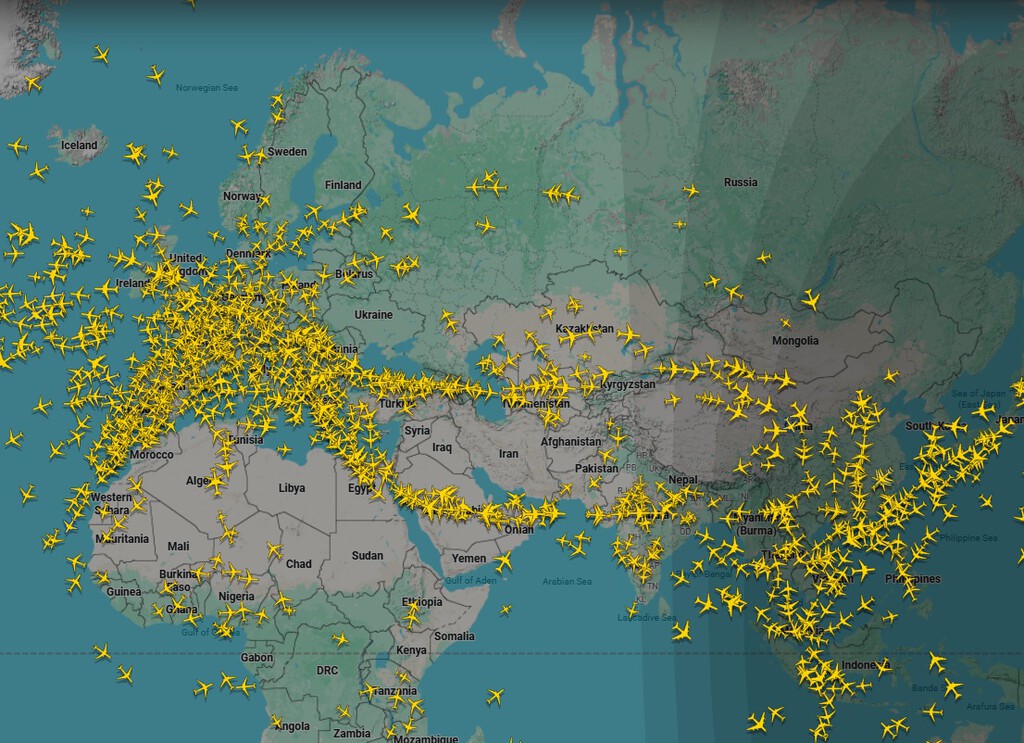
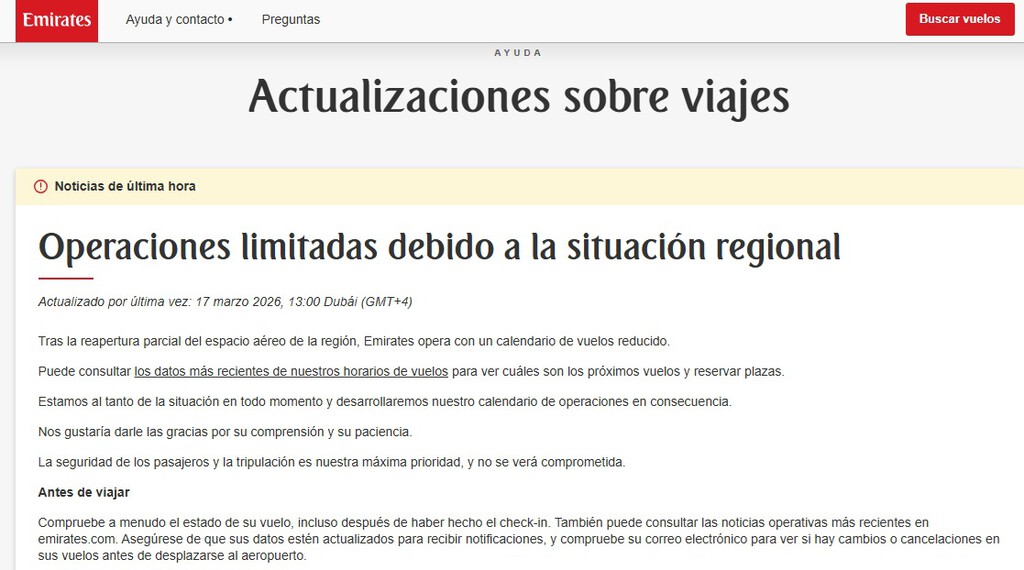
When instability hits the Gulf, flight schedules can be disrupted, leading to delays, reroutings, or cancellations. This is especially true for long-haul routes that rely on these connections. Travelers may face longer journeys or higher ticket prices as airlines adjust their operations.
The Gulf as a Tourism Powerhouse
Beyond aviation, the Gulf has become a tourism destination in its own right, attracting millions of visitors. Cities like Dubai and Abu Dhabi are popular stopover points. Any disruption there affects the broader tourism ecosystem, from hotels to tour operators.
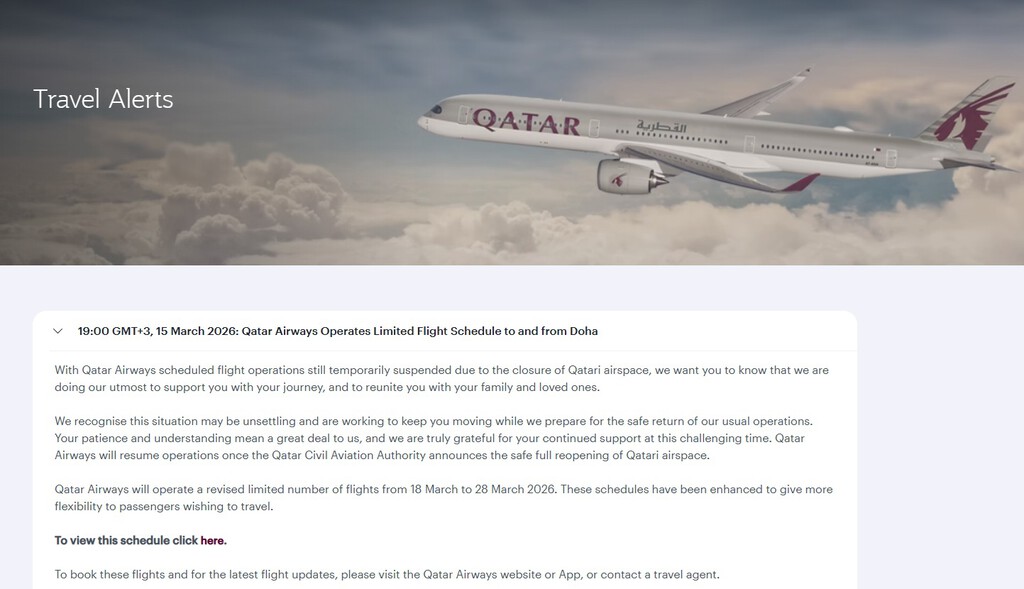
For those heading to Vietnam or Japan, the impact might be indirect but significant. Flight availability and pricing are often the first things to be affected.
How Travelers Are Responding
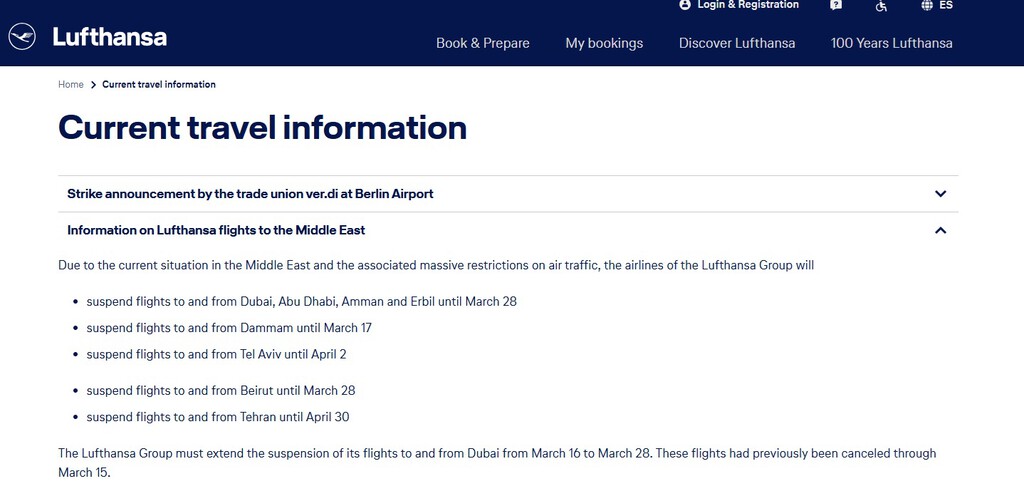
Across Europe, many people are reassessing their holiday plans due to the uncertainty. Some are opting for destinations closer to home or choosing alternative routes that avoid the Gulf. Others are booking flexible tickets or purchasing travel insurance that covers political unrest.
Travel agencies have reported an increase in inquiries about safety and itinerary changes. While no widespread cancellations have been reported yet, the mood is cautious.
- Flight routes: Many Europe-Asia flights connect through Gulf hubs, so disruptions can cause delays or reroutings.
- Ticket prices: Uncertainty often leads to higher fares as airlines hedge against risks.
- Travel insurance: Ensure your policy covers political unrest and natural disasters.
- Flexibility: Book refundable tickets or use points to allow changes without hefty fees.
- Alternative routes: Consider flights that bypass the Middle East, though they may be longer or costlier.
What This Means for Vietnam and Japan
Vietnam and Japan are increasingly popular destinations for European travelers. Both countries have seen a surge in tourism in recent years. Any disruption to air travel could slow this growth, but it's unlikely to deter determined travelers.
Japan, in particular, has been a top bucket-list destination, and Vietnam offers a mix of culture, history, and natural beauty. Travelers are advised to monitor local advisories and maintain contact with airlines.
Comparing Travel Insurance Options
When planning a trip during uncertain times, travel insurance becomes crucial. Here's a quick comparison of what to look for: The background to this story is set out in Global Stock Market Crash Risk: AI Rally Meets Middle East Turmoil. A related thread runs through Japan's 500% Visa Fee Hike: What It Means for Foreign Travelers. Earlier coverage in Houthis Attack Saudi Refinery: Oil Markets in Turmoil shows how the argument developed.
| Feature | Basic Coverage | Comprehensive Coverage |
|---|---|---|
| Trip cancellation | Limited reasons | Includes political unrest |
| Medical expenses | Emergency only | Full coverage |
| Evacuation | Not included | Included |
| 24/7 support | No | Yes |
Practical Steps to Protect Your Trip
First, check with your airline about current routes and any advisories. Many airlines offer flexible change policies for affected areas. Second, review your travel insurance policy to ensure it covers disruptions due to political events. A closer look at the same subject appears in Why Trump Administration Is Causing Bond Market Turmoil. Anyone following the wider picture can start with Australian Tourists Flock to Japan: Rural Travel Push. The same theme surfaces in Trump Administration Bond Market Turmoil: Causes and Impact, which takes a different angle.
Third, consider alternative itineraries. If your flight connects through a Gulf hub, see if you can reroute through Asia or Europe instead. Finally, stay informed through official government travel advisories and reputable news sources. Context on how this played out before sits in US and Iran Airstrikes Escalate Hostilities in Middle East. A companion piece, Middle East Conflict Impact on Maritime Workers and Ports, approaches the same subject from another angle.
FAQ
Is it safe to travel to Vietnam or Japan now?
Yes, Vietnam and Japan are generally safe destinations. The Middle East instability affects flights, not the safety within these countries. However, always check your home country's travel advisories.
Will my flight be canceled?
Not necessarily. Airlines are monitoring the situation and may reroute flights. Check with your airline for the latest updates.
Should I buy travel insurance?
Yes, comprehensive travel insurance is highly recommended, especially one that covers political unrest and trip interruptions.
Can I get a refund if I cancel due to unrest?
It depends on your ticket type and insurance. Many airlines offer waivers for affected areas, but refunds vary. Review your policy and contact your airline.
While the situation remains uncertain, being proactive can help mitigate risks. Stay flexible and informed, and your dream trip to Vietnam or Japan can still become a reality.







