

Spain's summer vacation landscape is shifting as more Spaniards choose international destinations over domestic ones, driven by the rising cost of holidaying at home. According to the latest data from the National Statistics Institute (INE), domestic travel is declining while trips abroad are on the rise.
The Rising Cost of Summer in Spain
Spain has long been a top tourist destination, but for Spanish residents, the cost of a domestic vacation has skyrocketed. Accommodation, meals, and activities have become so expensive that traveling to far-flung places like the Caribbean or Indonesia can sometimes be more affordable.
Find Original Home Decor sparking conversation at Grand Goldman Shop.

This price surge is a key factor behind the changing travel patterns. As the INE report reveals, the number of trips taken by Spanish residents fell by 4.7% in 2025 compared to the previous year, with domestic travel taking a significant hit.
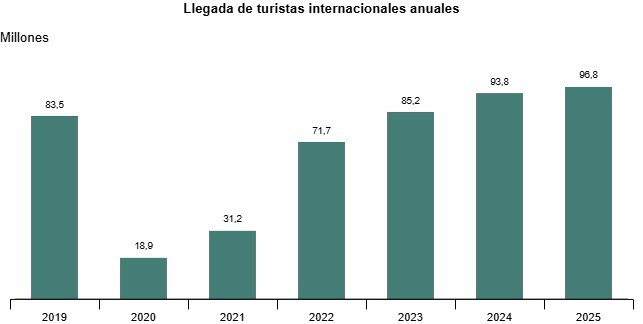
INE Data: Domestic vs. International Travel
The INE's report on resident tourism shows that in 2025, Spaniards made 175.7 million trips, a decrease from 2024. Domestic trips still dominate, accounting for 87% of all travel, but the trend is shifting.
The decline in domestic travel is particularly notable among younger generations, who are more inclined to seek experiences abroad. Low-cost airlines and changing travel preferences are also contributing to this shift.
Key Takeaways from the Data
- Domestic trips made up 87% of all travel by Spanish residents in 2025, but this share is shrinking.
- The total number of trips fell by 4.7% in 2025, with domestic travel experiencing the largest drop.
- Rising costs in Spain are making international destinations more attractive.
- Low-cost carriers and generational shifts are facilitating travel abroad.
- Spain's tourism market is adapting to these changing preferences.
Why Spain Has Become Too Expensive for Locals
Several factors contribute to the rising cost of domestic vacations in Spain. The post-pandemic travel boom has increased demand, pushing up prices for accommodations and services. Additionally, inflation has made everyday expenses higher, leaving less disposable income for leisure travel.
Popular coastal areas and cities like Barcelona and Madrid have seen particularly steep price increases, making them less accessible for Spanish families. As a result, many are looking for alternatives that offer better value for money.
Comparison of Vacation Costs: Spain vs. Popular International Destinations
| Destination | Average Daily Cost (Accommodation, Food, Activities) | Popularity Among Spaniards |
|---|---|---|
| Spain (e.g., Costa del Sol) | €120-€200 | High, but declining |
| Caribbean (e.g., Dominican Republic) | €100-€180 | Increasing |
| Indonesia (e.g., Bali) | €80-€150 | Increasing |
| Portugal (e.g., Algarve) | €90-€160 | Stable |
As the table shows, some international destinations offer comparable or lower daily costs than popular Spanish spots, especially when factoring in package deals and low-cost flights.
The Role of Low-Cost Airlines and Changing Trends
Low-cost airlines have made international travel more accessible, with frequent and affordable flights to various destinations. This has opened up options that were previously considered out of reach for many Spaniards.
Moreover, generational changes are influencing travel habits. Younger Spaniards prioritize experiences over traditional domestic vacations and are more willing to explore new cultures. Social media and online resources have also made planning international trips easier. The background to this story is set out in French Retirees' House-Sitting Trick for Luxury Summer Vacations. A related thread runs through Long Vacations vs Short Breaks: Which Is Better for Mental Health. Earlier coverage in Nintendo Switch 2 Travel Cases: 5 Summer Vacation Picks shows how the argument developed.
What This Means for Spain's Tourism Industry
The shift towards international travel could have significant implications for Spain's domestic tourism sector. Local businesses that rely on Spanish tourists may need to adapt their offerings to remain competitive. A closer look at the same subject appears in DJI Osmo Pocket 3 Camera Drops to One of Its Best Prices for Vacations. Anyone following the wider picture can start with Extreme Heat Is Boosting Cold Vacations in Scotland and Hurting Spain. The same theme surfaces in Disaster Holidays in Fiction: Why Hellish Vacations Make Great Stories, which takes a different angle.
However, Spain continues to attract millions of international visitors, which helps offset the decline in domestic tourism. The challenge will be to balance the needs of both markets and ensure that Spain remains an attractive destination for its own residents. Context on how this played out before sits in 7 places that make a vacation in Mexico unforgettable. A companion piece, Spain's Travel Dining Boom: Airport and Gas Station Restaurants Grow, approaches the same subject from another angle.
FAQ
Why are Spaniards traveling abroad more often?
Spaniards are traveling abroad more due to the rising costs of domestic vacations, making international destinations sometimes more affordable. Low-cost airlines and changing preferences among younger generations also contribute.
What percentage of Spanish travel is domestic?
In 2025, domestic trips accounted for 87% of all travel by Spanish residents, according to the INE. However, this share is declining as more people opt for international destinations.
How much did travel by Spanish residents decline in 2025?
The total number of trips fell by 4.7% in 2025 compared to 2024, with domestic travel experiencing the largest decrease.
Is it cheaper to vacation abroad than in Spain?
In some cases, yes. Rising prices in Spain mean that destinations like the Caribbean or Indonesia can offer better value, especially with affordable flights and accommodations.
Browse the Shop
 Acacia frida deluxe solid wood bed frame |
Bedroom bench |
Bed chest drawers |
Lingerie dresser |
Frame base |
Mirror with jewelry storage |
30 Bathroom Vanity |
Memory foam queen mattress |
Mattresses for back pain |
Nightstand set of 2 |
Grand Goldman Shop |
Civil Lawyer
Deutschland Trikot WM 2026







