

If you've ever noticed that your 15-year-old cotton t-shirt looks better than one you bought last summer, you're not alone. It's a common observation, and the reason lies in the quality of cotton fiber and yarn spinning. The textile industry's pursuit of efficiency has led to a decline in garment durability, but understanding the factors can help you find longer-lasting clothing.
The Two Key Variables in Cotton Fabric Quality
According to textile experts, the quality of cotton fabric is determined by two main variables: the raw material (the cotton fiber itself) and the spinning process. Both play a critical role in how a t-shirt will hold up over time.
Find Original Home Decor sparking conversation at Grand Goldman Shop.

Raw Material: Not All Cotton Is Created Equal
The best cotton varieties include Sea Island, Egyptian, American Egyptian, and Pima. These fibers exceed 32 millimeters in length and are fine and strong. However, they account for only about 3% of global cotton production because they grow slowly and yields are limited.
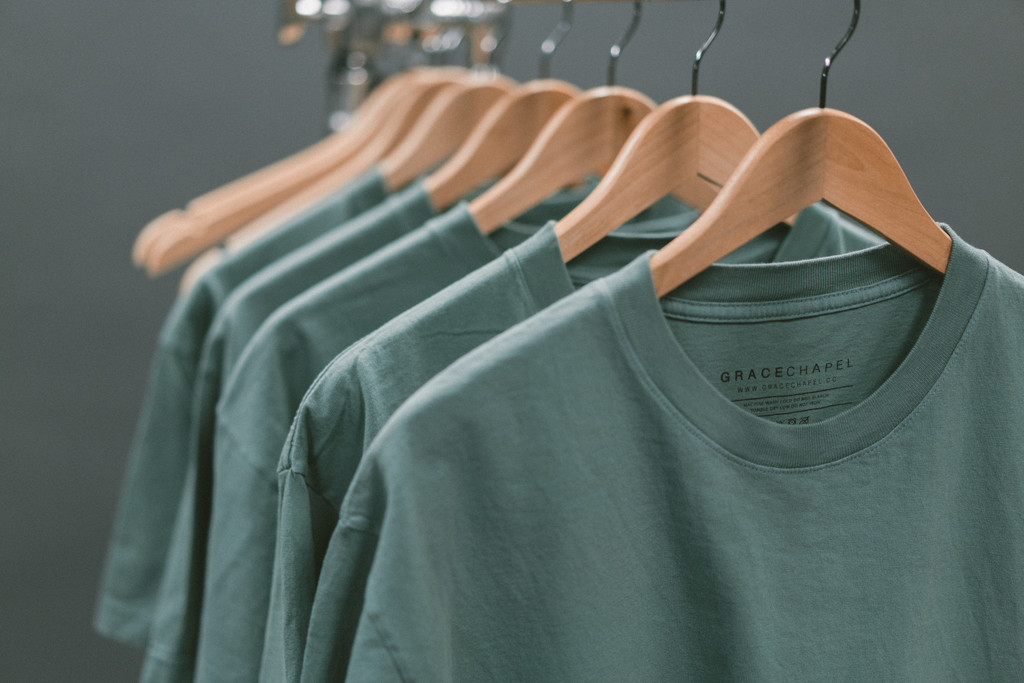
In contrast, 90% of the world's cotton is American Upland, which has shorter fibers (usually not exceeding 25 millimeters) and varies in quality. The shorter the fiber, the more likely it is to pill and wear out quickly.
Spinning Process: How Yarn Is Made Matters
The spinning process transforms fibers into yarn. Higher-quality fibers can be spun using methods that preserve their strength and smoothness, while lower-quality fibers often require faster, more abrasive spinning techniques that weaken the yarn. This is why two t-shirts made from 100% cotton can have vastly different durability.
Why Modern T-Shirts Wear Out Faster
As the textile industry has optimized for speed and cost, many manufacturers have shifted to shorter-staple cottons and faster spinning methods. This results in fabrics that feel soft initially but degrade quickly after a few washes. The race to the bottom in production costs has sacrificed longevity.
Additionally, blends with synthetic fibers (like polyester) are often used to cut costs, but these can pill and lose shape. However, even 100% cotton shirts can be low quality if made from short-staple fibers.
How to Identify a Durable Cotton T-Shirt
So, how can you find a t-shirt that will last as long as your old favorite? Here are key takeaways:
- Look for long-staple cotton: Varieties like Pima, Egyptian, or Sea Island cotton are superior.
- Check the label: Brands that specify the type of cotton (e.g., 100% Pima cotton) are more likely to be transparent about quality.
- Feel the fabric: High-quality cotton feels smooth and dense, not thin or overly soft.
- Avoid overly cheap deals: Quality cotton costs more to produce, so extremely low prices often indicate inferior fibers.
- Consider the weight: Heavier fabrics (measured in GSM) tend to be more durable, but weight alone isn't everything—fiber quality is crucial.
Comparing Cotton Types: A Quick Reference
To help you make informed choices, here's a comparison of common cotton types based on fiber length and typical use:
| Cotton Type | Fiber Length | Quality | Common Use |
|---|---|---|---|
| Sea Island | >32 mm | Premium | Luxury shirts |
| Egyptian | >32 mm | Premium | High-end apparel |
| Pima | >32 mm | Premium | Premium t-shirts |
| American Upland | <25 mm | Standard | Everyday clothing |
The Role of Spinning Technology
Advances in spinning machinery have allowed for faster production, but not all technologies improve quality. For instance, ring spinning produces stronger, smoother yarns but is slower and more expensive. Open-end spinning is faster and cheaper but results in weaker yarn. Many fast-fashion brands opt for open-end spinning to keep costs down, which is why their t-shirts may not last as long.
However, some manufacturers are returning to traditional methods to meet consumer demand for durability. By paying attention to these details, you can avoid disposable fashion and invest in pieces that stand the test of time. The background to this story is set out in Benin Economic Growth Under Cotton King Patrice Talon. A related thread runs through Trending: latest articles. Earlier coverage in Oil Price Surge: Why Polyester Clothing Prices Are Set to Climb shows how the argument developed.
What to Watch Next
As consumers become more aware of quality differences, there is a growing trend toward transparency in the textile industry. Some brands are now highlighting their cotton sources and spinning methods. Keep an eye out for certifications like Supima (for Pima cotton) or Cotton LEEDS, which can help verify quality claims. A closer look at the same subject appears in Bad Bunny and Inditex: The Power Shift in Fast Fashion. Anyone following the wider picture can start with Why Men Don't Wear Skirts: The 18th-Century Great Male Renunciation. The same theme surfaces in Jeff Bezos Invests $34 Million in Bacteria-Grown Sustainable Textiles, which takes a different angle.
Ultimately, the key to finding a durable t-shirt is education. By understanding the variables that affect cotton quality, you can make smarter purchases and enjoy garments that last for years, not months. Context on how this played out before sits in Vinted Hits $8 Billion Valuation Without AI: A Resale Giant. A companion piece, Why Your 15-Year-Old T-Shirt Outlasts Last Summer's Cotton, approaches the same subject from another angle.
FAQ
Why do older cotton t-shirts last longer?
Older t-shirts often last longer because they were made with higher-quality, long-staple cotton and slower spinning methods that produce stronger yarn. Modern fast fashion often uses shorter fibers and faster spinning to cut costs, resulting in less durable fabrics.
What is the best type of cotton for t-shirts?
The best types are long-staple cottons like Sea Island, Egyptian, and Pima. These fibers are longer than 32mm, making them stronger and more resistant to pilling and wear.
How can I tell if a t-shirt is made of high-quality cotton?
Check the label for specific cotton types (e.g., 100% Pima cotton), feel the fabric for smoothness and density, and be wary of extremely low prices. Certifications like Supima can also indicate quality.
Does the spinning process affect cotton quality?
Yes, the spinning process significantly affects yarn strength and durability. Ring spinning produces stronger yarn but is slower, while open-end spinning is faster but weaker. Many inexpensive t-shirts use open-end spinning.
Browse the Shop
 Acacia frida deluxe solid wood bed frame |
Bedroom bench |
Bed chest drawers |
Lingerie dresser |
Frame base |
Mirror with jewelry storage |
30 Bathroom Vanity |
Memory foam queen mattress |
Mattresses for back pain |
Nightstand set of 2 |
Grand Goldman Shop |
Civil Lawyer
Deutschland Trikot WM 2026







