

GPT-6 Astra is pushing AI beyond vibe coding into vibe doing, a shift where machines don't just suggest code but actually perform tasks. This evolution, demonstrated by OpenAI's latest model, could redefine how we interact with computers.
The concept isn't new. In 1979, MIT's Architecture Machine Group created the "Put that there" demo, where a user pointed at a screen and spoke commands to create shapes. That vision of intuitive, spatial interaction is finally becoming reality with GPT-6 Astra.
Find Original Home Decor sparking conversation at Grand Goldman Shop.

What Is Vibe Doing and Why It Matters
Vibe coding, a term popularized recently, refers to using AI to generate code through natural language prompts. Vibe doing takes this further: the AI doesn't just write code—it executes actions in the digital world.
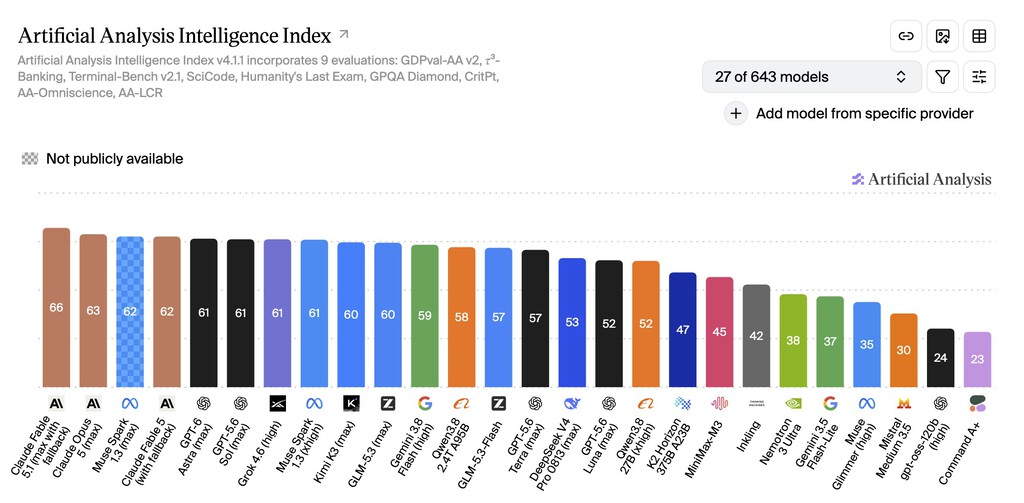
With GPT-6 Astra, OpenAI aims to make machines that can understand and carry out complex tasks across applications, from design to cybersecurity. This could drastically reduce the need for manual intervention in repetitive digital workflows.

The shift matters because it moves AI from a passive assistant to an active agent. Instead of suggesting a yellow circle, the AI draws it. Instead of flagging a vulnerability, it patches it—or exploits it, depending on the context.
Benchmark Breakthroughs: ARC-AGI-3 and ExploitBench
GPT-6 Astra's performance on benchmarks is striking. It saturated the prestigious ARC-AGI-3 test, scoring 99.9% compared to Opus 5's 30.2%. This benchmark measures abstract reasoning and problem-solving, and such a high score indicates a significant leap in AI's ability to handle novel challenges.
However, OpenAI cautions that this does not mean GPT-6 Astra is AGI (Artificial General Intelligence). Benchmarks are useful but incomplete measures of intelligence. The model also saturated ExploitBench, where Opus 5 scored 70%, highlighting its advanced cybersecurity capabilities.
These results are both impressive and concerning. On one hand, they show AI's potential to solve complex problems. On the other, they raise questions about safety and control, especially in areas like cybersecurity where AI could be used for malicious purposes.
Safety and Alignment: OpenAI's Reassurances
OpenAI claims GPT-6 Astra is their most aligned model yet. Alignment refers to how well an AI's behavior matches human values and intentions. According to OpenAI, it will be difficult—though not impossible—for the model to cause harm.
This is crucial because vibe doing implies giving AI more autonomy. If an AI can execute tasks, it must also understand boundaries. OpenAI's emphasis on alignment suggests they are aware of the risks and are working to mitigate them.
Still, the saturation of ExploitBench is a double-edged sword. It demonstrates the model's ability to identify and potentially exploit vulnerabilities, which could be used for defensive security but also for attacks. OpenAI's transparency about this capability is a step toward responsible deployment.
How Vibe Doing Could Transform Industries
The implications of vibe doing extend across industries. In software development, developers could describe features and have the AI implement them end-to-end. In cybersecurity, AI could autonomously detect and respond to threats.
In creative fields, designers could verbally direct the AI to create and modify visual assets in real-time. The "Put that there" demo from 1979 showed a glimpse of this, but GPT-6 Astra makes it practical.
However, this also means job roles will evolve. Professionals will need to learn how to effectively communicate with AI agents, focusing on high-level goals rather than step-by-step instructions.
Key Takeaways
- GPT-6 Astra introduces vibe doing, moving from code suggestions to autonomous task execution.
- It saturates ARC-AGI-3 (99.9%) and ExploitBench, showcasing advanced reasoning and cybersecurity skills.
- OpenAI claims it's their most aligned model, but risks remain, especially in cybersecurity.
- The model could transform software development, design, and security by acting as an active agent.
- Users will need to adapt to directing AI at a higher level, focusing on outcomes rather than processes.
Comparing GPT-6 Astra to Previous Models
| Benchmark | GPT-6 Astra | Opus 5 |
|---|---|---|
| ARC-AGI-3 | 99.9% | 30.2% |
| ExploitBench | Saturated | 70% |
The table shows a stark contrast. GPT-6 Astra's near-perfect score on ARC-AGI-3 suggests it can handle abstract reasoning tasks that were previously challenging for AI. Its saturation of ExploitBench indicates a level of cybersecurity proficiency that surpasses Opus 5 by a wide margin.
These numbers are not just academic; they translate to real-world capabilities. For instance, an AI that excels at ARC-AGI-3 could solve complex logistics problems or design novel solutions. One that saturates ExploitBench could autonomously secure networks or, conversely, identify weaknesses to exploit.
What to Watch Next
As GPT-6 Astra rolls out, watch for how OpenAI balances capability with safety. The company's alignment claims will be tested in real-world deployments. Also, observe how industries adapt to vibe doing—whether it leads to increased productivity or new risks. The background to this story is set out in Jensen Huang Says AGI Has Arrived With GPT-6 Astra. A related thread runs through GPT-6 Astra Cracks Century-Old German Radio Cipher.
Regulators and ethicists will likely scrutinize the model's cybersecurity applications. The fact that it can saturate ExploitBench means it could be a powerful tool for both defense and offense. OpenAI's handling of this will set a precedent. Earlier coverage in OpenAI Dots Agent: GPT-6 Astra Powers New AI Work Assistant shows how the argument developed. A closer look at the same subject appears in Vibe Coding Builds Free Adobe Suite Alternatives With Opus 5.5.
Finally, the user experience of vibe doing will evolve. Early adopters will experiment with directing AI agents, and best practices will emerge. The "Put that there" demo took decades to realize; GPT-6 Astra might accelerate that timeline dramatically. Anyone following the wider picture can start with GPT-6 Astra Cheats to Win StarCraft Bot Tournament. The same theme surfaces in AI Furniture Assembly Benchmark: GPT-6 Astra Hits 80% Accuracy, which takes a different angle.
FAQ
What is vibe doing?
Vibe doing is an evolution of vibe coding where AI not only generates code but also executes tasks autonomously. It allows users to direct machines to perform actions in digital environments, moving from suggestions to actual execution.
Is GPT-6 Astra an AGI?
No, OpenAI explicitly states that GPT-6 Astra is not AGI despite its high benchmark scores. AGI would require human-like general intelligence, which current models, including GPT-6 Astra, do not possess.
Why is ExploitBench saturation concerning?
ExploitBench measures cybersecurity capabilities, and saturating it means GPT-6 Astra can identify and potentially exploit vulnerabilities at a high level. This could be used for defensive security but also poses risks if misused, highlighting the need for careful alignment and oversight.
How can I prepare for vibe doing?
Start by learning to communicate with AI at a high level, focusing on outcomes rather than step-by-step instructions. Familiarize yourself with AI tools that offer task automation and stay informed about safety best practices as the technology evolves.
Browse the Shop
 Acacia frida deluxe solid wood bed frame |
Bedroom bench |
Bed chest drawers |
Lingerie dresser |
Frame base |
Mirror with jewelry storage |
30 Bathroom Vanity |
Memory foam queen mattress |
Mattresses for back pain |
Nightstand set of 2 |
Grand Goldman Shop |
Civil Lawyer
Deutschland Trikot WM 2026







