Jensen Huang's leadership style at Nvidia is anything but conventional. The CEO, known for his leather jacket and street food adventures, has built the world's most valuable company through a management approach that includes constant criticism, seven-day workweeks, and zero tolerance for mediocrity. Yet, despite this seemingly toxic mix, few employees want to leave.
In a candid interview with CNA, Huang described his method as a "form of torture." He explained, "You can't show me anything without me criticizing it. I suppose that, in a way, is my form of torture." This approach stems from traditional Taiwanese upbringing, where nothing is ever good enough.
Find Original, High-end Home Decor that spark conversation at Grand Goldman Shop.
The Philosophy Behind the Criticism
Huang frames his harshness as an act of trust, not punishment. "Like a Taiwanese parent, once you give the feedback, you love the person again," he said. In 2024, speaking with Stripe founder Patrick Collison, he went further: "I prefer to torture you into greatness because I believe in you." This mindset reflects a deep-seated belief that pushing people beyond their perceived limits unlocks their true potential.
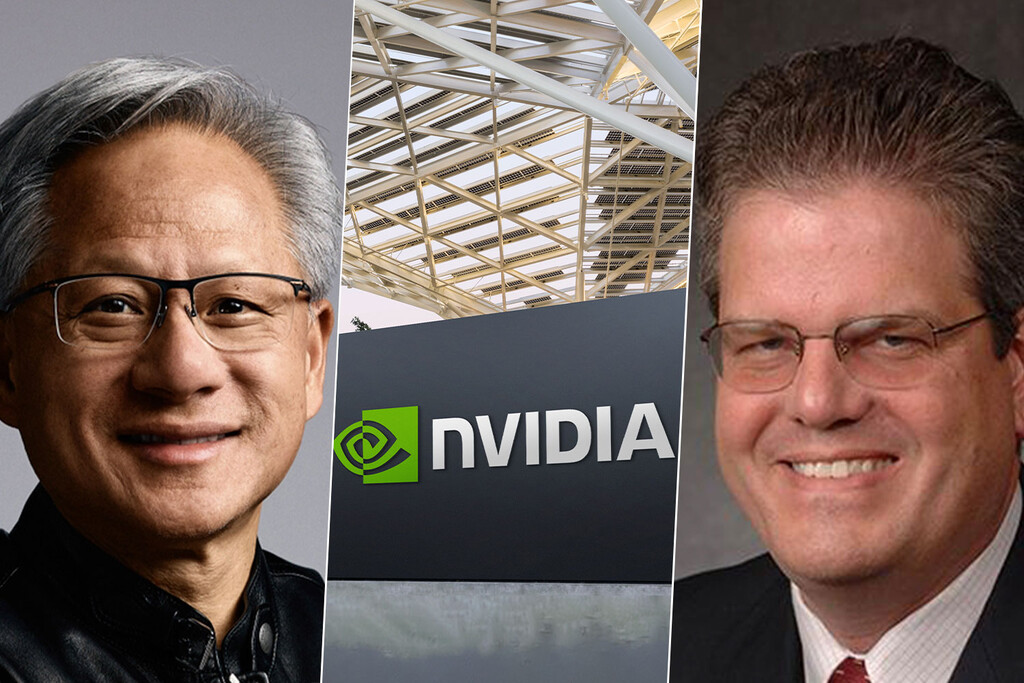
For Huang, criticism is not about tearing down but about building up. He sees it as a necessary tool to ensure that work meets the highest standards. This philosophy has been ingrained in Nvidia's culture, where employees are expected to constantly improve and innovate.
The Impact on Nvidia's Workforce
Despite the demanding environment, Nvidia boasts low turnover rates. Employees seem to thrive under Huang's intense scrutiny, perhaps because they understand that his criticism comes from a place of high expectations and genuine care. The CEO's approach has fostered a culture of resilience and excellence that has propelled Nvidia to the forefront of the tech industry.
Huang's leadership style is not for the faint-hearted. It requires a thick skin and a drive to excel. But for those who embrace it, the rewards can be substantial. Nvidia's employees are part of a company that is shaping the future of technology, and they know that their contributions matter.
Key Takeaways from Huang's Leadership Approach
- Constant criticism is used as a tool for improvement, not demoralization.
- High expectations are set for all employees, with no room for mediocrity.
- Long hours and dedication are expected, reflecting Huang's own work ethic.
- Loyalty is earned through a shared commitment to excellence and innovation.
- Feedback is delivered directly and frequently, fostering a culture of continuous improvement.
Comparing Leadership Styles: Huang vs. Traditional CEOs
| Aspect | Jensen Huang | Traditional CEO |
|---|---|---|
| Feedback frequency | Constant, often critical | Periodic, balanced |
| Work hours | Seven-day workweeks | Standard 40-50 hours |
| Employee turnover | Low despite demands | Varies, often higher |
| Leadership image | Rockstar, unconventional | Formal, conservative |
Why Employees Stay
The low turnover at Nvidia suggests that Huang's methods, while intense, are effective. Employees likely appreciate the clear expectations and the opportunity to work on cutting-edge technology. The sense of purpose and the knowledge that their work is valued may outweigh the stress of constant criticism.
Moreover, Huang's personal involvement in projects and his willingness to work alongside his team demonstrate a level of commitment that inspires loyalty. He leads by example, putting in the same long hours and facing the same scrutiny he demands from others. The background to this story is set out in Nvidia CEO Jensen Huang: 0% Chance AI Destroys World by 2030. A related thread runs through Nvidia Revenue Doubles to $96.2B as AI Golden Age Drives Growth. Earlier coverage in Jensen Huang Confronts Dario Amodei Over AI Safety Alarmism shows how the argument developed.
The Future of Nvidia Under Huang's Leadership
As Nvidia continues to dominate the tech landscape, Huang's leadership style will remain a subject of fascination and debate. Whether other companies will adopt similar approaches remains to be seen, but for now, Huang's method is working. Nvidia's market valuation and technological breakthroughs speak to the effectiveness of his relentless pursuit of excellence. A closer look at the same subject appears in Interior that has not changed anything in the last 72 years. Anyone following the wider picture can start with Anthropic CEO Urges AI Slowdown as Nvidia CEO Demands Speed. The same theme surfaces in Ex Employee Chews Out Karen Because Customers Can Say Anything, which takes a different angle.
In an industry known for rapid change and fierce competition, Huang's unwavering standards may be exactly what's needed to stay ahead. His story is a reminder that leadership comes in many forms, and sometimes the toughest bosses are the ones who bring out the best in us. Context on how this played out before sits in Boss Tells Most Valuable Employee To Quit, Digs Their Own Grave. A companion piece, Nvidia $500bn AI Financing Deal with Wall Street Giants, approaches the same subject from another angle.
FAQ
What is Jensen Huang's leadership style?
Jensen Huang's leadership style is characterized by constant criticism, high expectations, and a demand for excellence. He believes in pushing employees to their limits to achieve greatness.
Why do Nvidia employees stay despite the tough culture?
Employees stay because they are part of a cutting-edge company with a clear sense of purpose. The opportunity to work on innovative technology and the loyalty inspired by Huang's personal commitment outweigh the stress.
How does Huang justify his critical approach?
Huang views criticism as an act of trust and a way to help employees reach their full potential. He compares it to a Taiwanese parent's tough love.
What are the results of Huang's leadership at Nvidia?
Under Huang's leadership, Nvidia has become the world's most valuable company, with low employee turnover and a reputation for innovation.
Browse the Shop
 Acacia frida deluxe solid wood bed frame |
Bedroom bench |
Bed chest drawers |
Lingerie dresser |
Frame base |
Mirror with jewelry storage |
30 Bathroom Vanity |
Memory foam queen mattress |
Mattresses for back pain |
Nightstand set of 2 |
Grand Goldman Shop |
Civil Lawyer
Deutschland Trikot WM 2026