

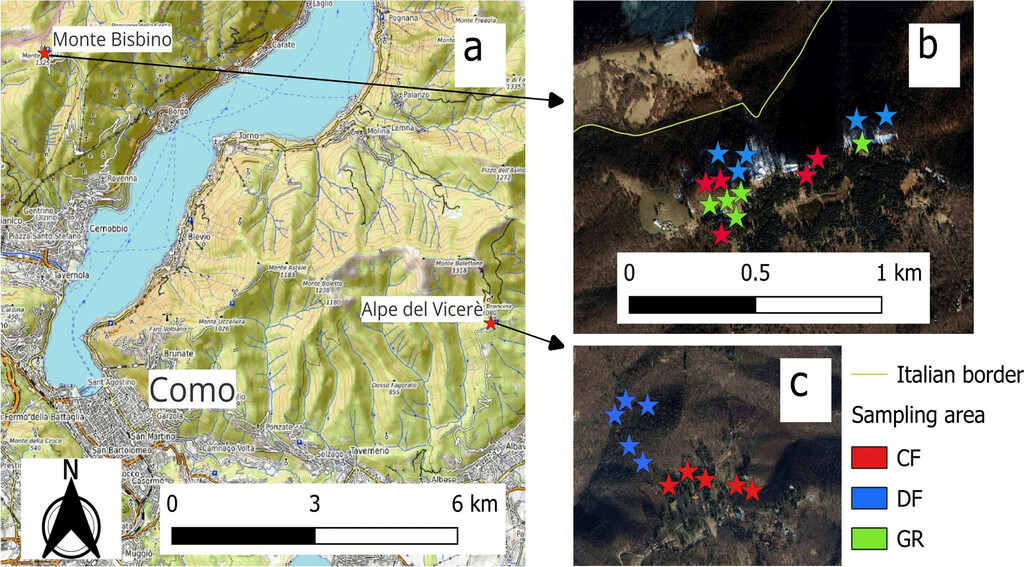
Italy's 1930s spruce plantations in the Alps have reduced biodiversity by half, according to a new study that reveals the long-term ecological cost of monoculture forestry. The research, led by ecologist Gianalberto Losapio and published in the journal Ecology, examined two areas in the Italian Prealps near Lake Como. It found that nearly a century after dense stands of Norway spruce were planted, the forests support significantly fewer species than the native ecosystems they replaced.
The findings challenge a decades-old assumption that planting trees is always good for the environment. They also underscore a warning that conservationist Aldo Leopold articulated in 1949: "To keep every cog and wheel is the first precaution of intelligent tinkering." Leopold's insight, made before modern ecology could quantify such losses, now has hard data behind it.
Find Original Home Decor sparking conversation at Grand Goldman Shop.

The Origins of Italy's Spruce Monoculture
In the 1930s, Benito Mussolini's government launched an ambitious program to stabilize the Italian Alps by covering them with trees. The logic seemed sound: slow erosion, secure a future timber supply, and project an image of national order and productivity. To achieve this, foresters chose Norway spruce, a fast-growing conifer with a straight trunk and valuable wood.
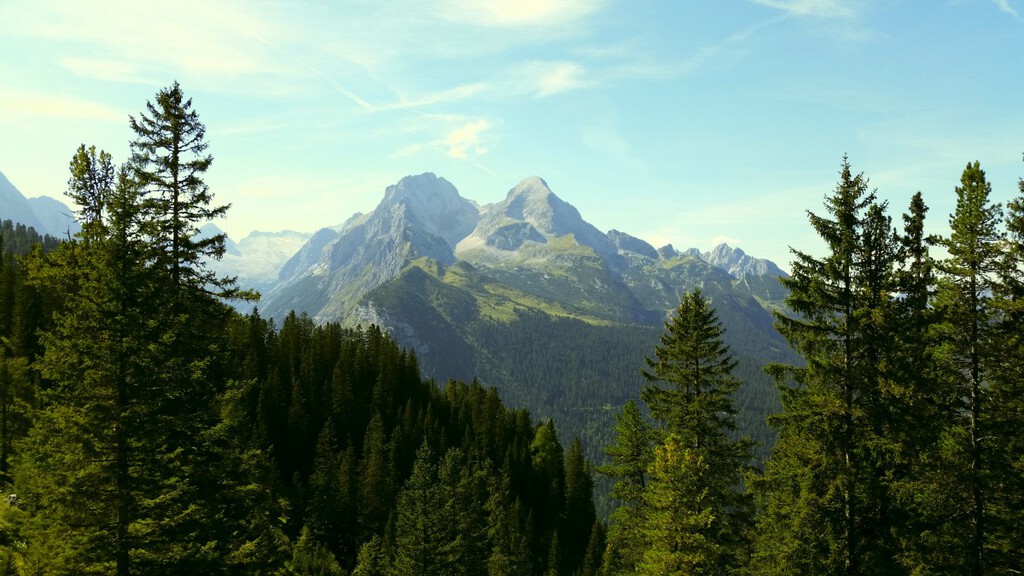
Thousands of hectares of alpine meadows and native forests were cleared to make way for dense, uniform rows of spruce. For decades, the project was celebrated as a triumph of forest engineering. From a distance, the green blankets looked healthy and thriving. But beneath that apparent success, a silent impoverishment was taking root.
What the New Study Found
Losapio's team compared areas planted with spruce to nearby native forests and meadows. They measured plant and insect diversity, soil properties, and ecosystem functions. The results were stark: biodiversity in the spruce plantations was roughly half that of the original habitats.
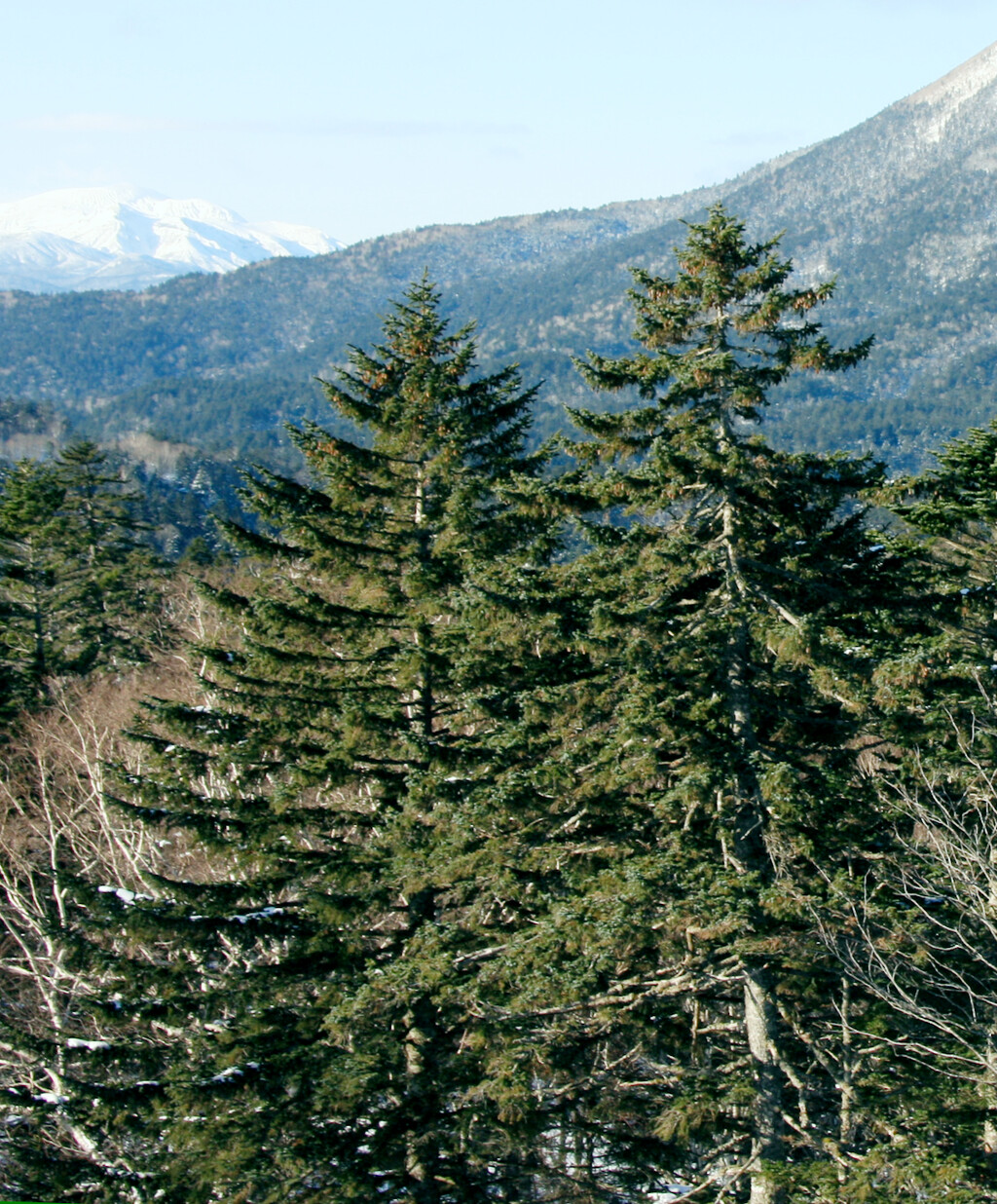
The researchers attribute this decline to several factors. Spruce creates deep shade that suppresses understory plants. Its needles acidify the soil, altering nutrient cycles. And the uniform structure of the plantation offers few niches for wildlife. In contrast, native alpine forests and meadows host a rich mosaic of species adapted to local conditions.
Why Monocultures Fail
Monocultures simplify ecosystems. They replace complex webs of interaction with a single dominant species. This simplification can boost timber yield in the short term, but it erodes resilience. Pests, diseases, and climate extremes can sweep through uniform stands with devastating efficiency. Native forests, with their mix of species and ages, buffer these shocks.
The spruce plantations also disrupt essential ecosystem services. Healthy alpine meadows regulate water flow, prevent landslides, and support pollinators. When these meadows are replaced by dense spruce, those services degrade. The very erosion control that motivated the planting may be undermined in the long run.
The Ecological Cost of a Quick Fix
The Italian spruce experiment is not an isolated case. Around the world, large-scale tree planting campaigns often favor fast-growing, commercially valuable species over native ones. While such efforts can sequester carbon or produce timber, they can also harm biodiversity if not carefully designed.
The Alpine study highlights the importance of looking beyond simple metrics like forest cover. A landscape can be green but ecologically poor. True restoration requires restoring function, not just adding trees. It means considering species composition, age structure, and the needs of the entire community of organisms.
- Biodiversity loss: Spruce plantations support about half the species of native alpine habitats.
- Soil changes: Spruce needles acidify soil, altering nutrient availability.
- Shade and structure: Dense, uniform stands suppress understory plants and reduce habitat niches.
- Ecosystem services: Water regulation, erosion control, and pollination may decline.
- Resilience: Monocultures are more vulnerable to pests, diseases, and climate stress.
Implications for Reforestation and Conservation
The study's findings have direct implications for global reforestation efforts. Many countries have pledged to plant billions of trees to combat climate change. If those trees are planted as monocultures, they may store carbon but at the expense of biodiversity. The Alpine case shows that such trade-offs can persist for generations.
Conservationists argue for a more nuanced approach. Planting native species mixtures, protecting existing meadows, and allowing natural regeneration can deliver better outcomes. In the Alps, some areas are now being managed to restore native species and open up dense spruce stands. But such restoration is costly and slow.
The story of Italy's spruce plantations is a cautionary tale. It reminds us that ecological interventions have long legacies. Decisions made for short-term economic or political gain can echo for nearly a century. As Leopold warned, keeping every piece of the ecological puzzle intact is not just wise—it is essential. The background to this story is set out in Ethiopia Reforestation: 50 Billion Trees and Climate Action. A related thread runs through Yellow River Turns Clear as China's Reforestation Changes Its Color. Earlier coverage in Oldest Household Appliances: Britain's Still-Working 1930s shows how the argument developed.
What to Watch Next
Losapio and his colleagues continue to study how these plantations can be restored. They are experimenting with thinning and underplanting native species to accelerate recovery. Meanwhile, policymakers are debating how to balance timber production with biodiversity conservation in mountain regions. A closer look at the same subject appears in Oldest Household Appliances: 1930s Fridge Still Works. Anyone following the wider picture can start with EVs and Hybrids Near Half of Australian New Car Sales Amid Fuel. The same theme surfaces in Energy Utilities: latest articles, which takes a different angle.
The research also raises questions about other historical plantations. Similar spruce monocultures exist across Europe, from Germany to Scandinavia. Understanding their long-term impacts can inform future forest management. For now, the Italian Alps serve as a living laboratory—and a warning. Context on how this played out before sits in Blue Crab Plague in the Mediterranean: Italy's Oyster Farming Solution. A companion piece, Eucalyptus Plantations in Spain: Green Desert for Birds, approaches the same subject from another angle.
FAQ
Why did Italy plant Norway spruce in the Alps?
In the 1930s, the Italian government aimed to stabilize slopes, reduce erosion, and produce timber. Norway spruce was chosen for its fast growth and valuable wood. The program was part of a broader push for national productivity and order under Mussolini.
How much biodiversity was lost?
The study found that biodiversity in spruce plantations was roughly half that of native alpine habitats. This includes declines in plant and insect species, as well as changes in soil ecosystems.
Can these forests be restored?
Restoration is possible but challenging. Techniques include thinning dense spruce stands and planting native species. However, full recovery of biodiversity may take decades or centuries.
What does this mean for other reforestation projects?
It highlights the risk of monoculture plantations. To avoid similar biodiversity losses, reforestation should prioritize native species mixtures and protect existing ecosystems. Tree planting must be done with ecological principles in mind.
Browse the Shop
 Acacia frida deluxe solid wood bed frame |
Bedroom bench |
Bed chest drawers |
Lingerie dresser |
Frame base |
Mirror with jewelry storage |
30 Bathroom Vanity |
Memory foam queen mattress |
Mattresses for back pain |
Nightstand set of 2 |
Grand Goldman Shop |
Civil Lawyer
Deutschland Trikot WM 2026







