

Mangrove deforestation has quietly released centuries of stored blue carbon into the atmosphere, as countries cleared these salt-tolerant coastal forests for fish farms, rice paddies, and plantations. The trees disappeared—but so did the waterlogged mud beneath them, which had locked carbon away for generations.
Unlike tropical rainforests, mangroves occupy the messy boundary where land meets sea. Their roots jut above the waterline, surviving twice-daily tidal floods and salinity levels that would kill most terrestrial plants. That combination of water, roots, and sediment makes them extraordinary ecosystems—and formidable carbon vaults.
Find Original Home Decor sparking conversation at Grand Goldman Shop.

Why Mangroves Are Blue Carbon Powerhouses
Mangroves are among the world's most important blue carbon sinks—carbon captured and stored in coastal and marine ecosystems. While rainforests get most of the attention, these coastal forests pack enormous amounts of carbon into their waterlogged soils.
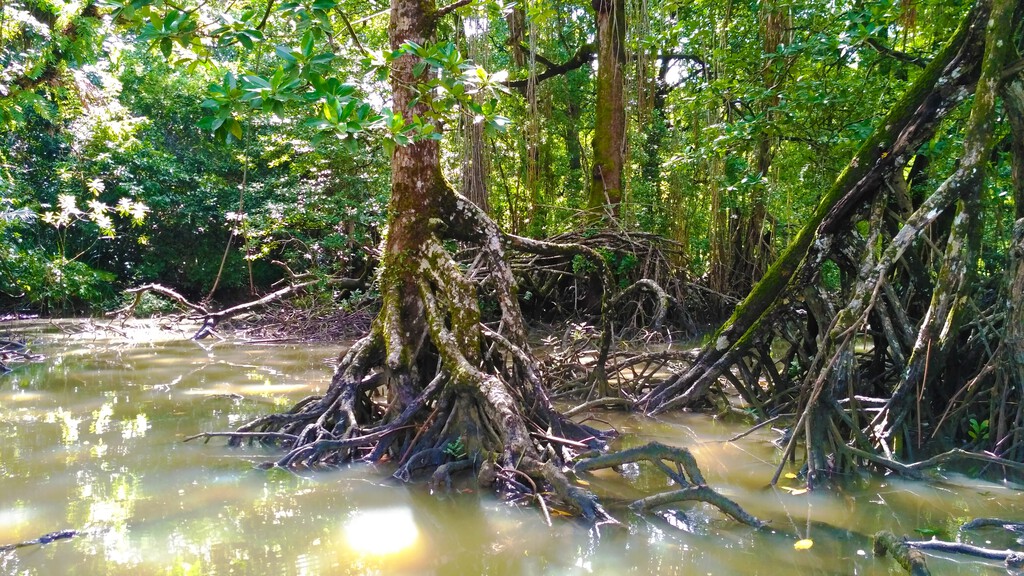
The secret lies not in the trees themselves but beneath them. As mangrove leaves and roots die, they accumulate in oxygen-poor mud where decomposition slows to a crawl. Layer upon layer of this organic matter builds up over centuries, creating deep carbon-rich sediments.
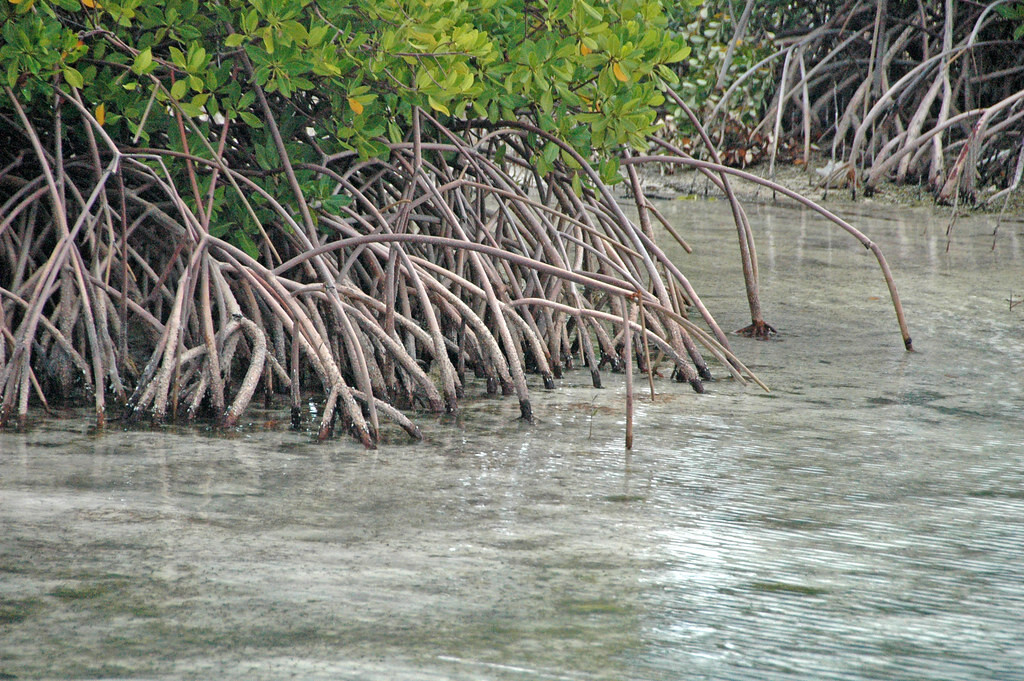
When these forests are cleared, the mud is exposed to air. Oxygen floods in, microbes wake up, and the stored carbon begins converting back into carbon dioxide. What took centuries to bury can be released in a matter of years.
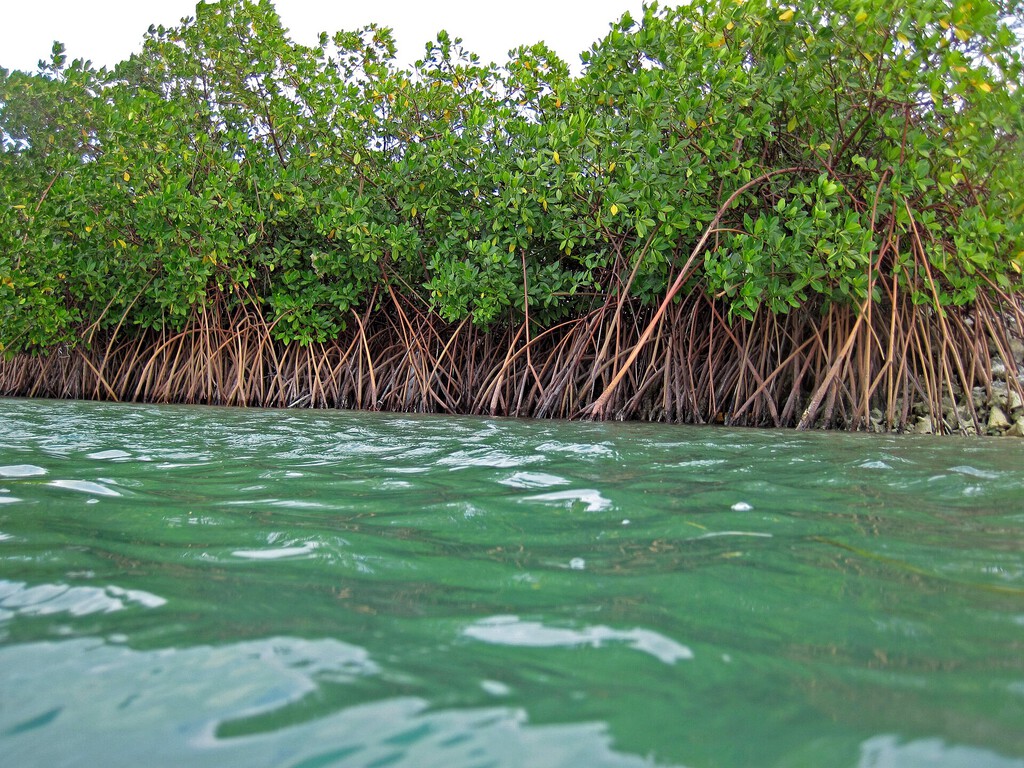
- Carbon density: Mangrove soils can store several times more carbon per hectare than typical tropical rainforest soils.
- Centuries of accumulation: The carbon in mangrove mud has been building up for hundreds to thousands of years.
- Rapid release: Once exposed, the carbon can be emitted far faster than it was stored.
- Coastal protection: Mangroves buffer waves, reduce erosion, and shield coastlines from storms.
- Fisheries nurseries: Many commercial fish species depend on mangroves as breeding grounds.
The Hidden Cost of Coastal Development
For decades, countries around the world have converted mangrove forests into shrimp ponds, rice fields, and other developments. The trees were cut, the land was drained, and the carbon-rich soils were exposed to the atmosphere.
These conversions often delivered short-term economic gains but carried long-term environmental costs. The loss of mangroves meant fewer fish nurseries, reduced coastal protection, and the release of carbon that had been safely stored for centuries.
What makes this particularly troubling is that the carbon release is largely invisible. There are no smokestacks or exhaust pipes—just mud drying out and quietly emitting greenhouse gases.
Comparing Mangroves to Other Carbon Sinks
Not all carbon sinks are created equal. The table below shows how mangroves stack up against other major ecosystems in terms of carbon storage and other benefits.
| Ecosystem | Carbon Storage (per hectare) | Key Benefits | Primary Threats |
|---|---|---|---|
| Mangroves | Very high (especially in soils) | Coastal protection, fisheries, carbon sequestration | Aquaculture, agriculture, coastal development |
| Tropical Rainforests | High (mostly in biomass) | Biodiversity, carbon storage, water regulation | Logging, agriculture, fires |
| Seagrass Meadows | High (in sediments) | Water quality, fisheries, carbon storage | Coastal development, pollution, dredging |
| Salt Marshes | High (in soils) | Flood protection, wildlife habitat, carbon storage | Development, sea-level rise, drainage |
What Happens When Mangroves Are Cleared?
When mangrove forests are removed, the consequences unfold in stages. First, the trees themselves stop absorbing carbon dioxide. Then, the exposed soils begin to decompose, releasing stored carbon.
The loss of roots also means the sediment is no longer held in place. Erosion can wash away carbon-rich mud, further undermining the coast's ability to store carbon and protect against storms.
Meanwhile, the local communities that relied on mangroves for fishing and storm protection lose those benefits. The carbon release is global, but the impacts are often felt most acutely by coastal populations. Context on how this played out before sits in Mangrove Deforestation Releases Centuries of Stored Blue Carbon.
The Path Forward for Mangrove Conservation
Recognizing the value of blue carbon has led to growing interest in mangrove restoration and protection. International climate frameworks now include blue carbon in some carbon accounting and offset mechanisms. The background to this story is set out in Energy Utilities: latest articles. A related thread runs through California's Historic High Tides Cause Coastal Flooding Chaos.
Restoring mangroves is possible, but it's not as simple as planting trees. The hydrology must be right, the soil conditions must be suitable, and local communities need to be involved for projects to succeed long-term. Earlier coverage in 1.5°C Climate Limit Is Lost: Science's Plan B Needs Tech We Lack shows how the argument developed. A closer look at the same subject appears in Europe Opens Its Largest Carbon Capture Plant in the Netherlands.
Protecting existing mangroves is even more important. Avoiding deforestation prevents the release of carbon that took centuries to accumulate—a far more effective strategy than trying to rebuild lost carbon stocks after the fact. Anyone following the wider picture can start with Swiss Ski Resort Laax Leads Climate Fight with Carbon Neutral Goal. The same theme surfaces in Spain Wildfires 2026: Record 265,000 Hectares Burned, which takes a different angle.
FAQ
What is blue carbon and why does it matter?
Blue carbon is carbon captured and stored in coastal and marine ecosystems like mangroves, seagrasses, and salt marshes. It matters because these ecosystems can store carbon at much higher densities than many terrestrial forests, making them critical for climate mitigation.
How much carbon do mangroves store compared to rainforests?
Mangrove soils can store several times more carbon per hectare than typical tropical rainforest soils. While rainforests store most carbon in living biomass, mangroves lock it away in waterlogged sediments where decomposition is extremely slow.
Why is mangrove deforestation a problem for the climate?
When mangroves are cleared, the carbon-rich soils are exposed to oxygen and begin releasing stored carbon dioxide. This can happen rapidly, undoing centuries of carbon accumulation in just a few years.
Can mangroves be restored after they are cleared?
Yes, but restoration is challenging and not always successful. It requires correct hydrology, suitable soil conditions, and community involvement. Protecting existing mangroves is generally more effective than attempting to restore them after loss.
Browse the Shop
 Acacia frida deluxe solid wood bed frame |
Bedroom bench |
Bed chest drawers |
Lingerie dresser |
Frame base |
Mirror with jewelry storage |
30 Bathroom Vanity |
Memory foam queen mattress |
Mattresses for back pain |
Nightstand set of 2 |
Grand Goldman Shop |
Civil Lawyer
Deutschland Trikot WM 2026







