

Spain is enduring its worst wildfire season on record in 2026, with 265,000 hectares burned and more than 40 major fires declared, according to satellite estimates from the European Forest Fire Information System (EFFIS). The official Spanish Ministry for Ecological Transition (Miteco) count stands at around 226,000 hectares as of August 12, but both figures already surpass the entire 2025 total of 189,379 hectares.
The scale of the disaster is visible from space. Copernicus satellite imagery shows large swaths of the Iberian Peninsula blackened by fire, and the number of Grandes Incendios Forestales (GIF)—fires exceeding 500 hectares—has reached 43. This is not a normal summer; it is a systemic crisis with deep roots in land management, climate change, and rural abandonment.
Find Original Home Decor sparking conversation at Grand Goldman Shop.

What’s Driving Spain’s Unprecedented Fire Season?
Three intertwined factors have created the perfect firestorm. First, extreme drought has left soils and vegetation tinder-dry. Second, the abandonment of rural areas has allowed dry brush and undergrowth to accumulate, providing abundant fuel. Third, rising temperatures and changing weather patterns have extended the fire season and intensified fire behavior.
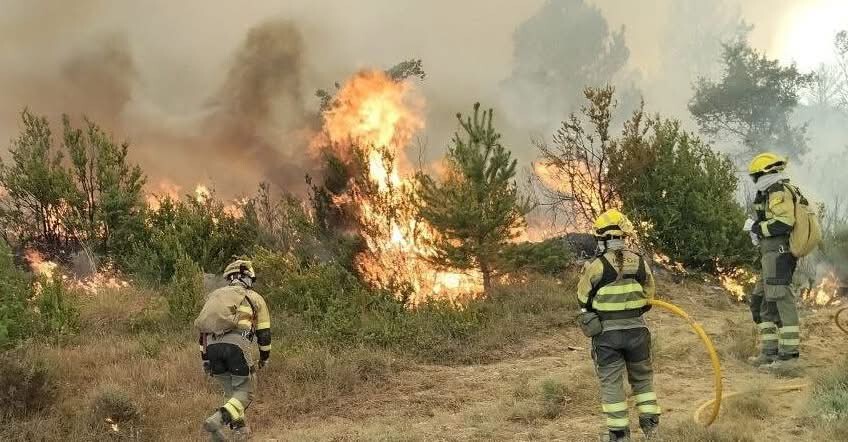
A viral thread on social media summarized the situation bluntly: dry vegetation covers the ground, rural depopulation has removed shepherds and livestock that once kept fuels in check, and traditional firefighting tactics are increasingly ineffective. The result is a landscape primed to burn.
The Rise of Sixth-Generation Fires
Spain is now confronting what experts call sixth-generation fires—blazes that create their own weather, generate pyrocumulonimbus clouds, and escape all human control. These fires are so intense that water dropped from helicopters evaporates before reaching the ground.
Traditional containment lines and aerial support often fail against such extreme fire behavior. The phenomenon is not unique to Spain, but its recurrence here signals a dangerous new normal. Firefighting agencies are being forced to rethink strategy, focusing more on evacuation and protecting lives than on stopping the fire front.
Key Takeaways from the 2026 Fire Season
- Record area burned: 265,457 hectares per EFFIS, surpassing the previous annual record.
- 43 major fires (GIF): Each exceeding 500 hectares, with many far larger.
- Official vs. satellite data: Miteco reports 226,000 hectares, but satellite estimates are higher and more timely.
- Sixth-generation fires: Intense blazes that create their own weather and defy control.
- Root causes: Drought, rural abandonment, and fuel accumulation.
How the 2026 Season Compares
The table below puts the 2026 season into context with recent years. Note that 2026 figures are as of mid-August, while full-year totals for previous years cover the entire season.
| Year | Area Burned (hectares) | Major Fires (GIF) | Notes |
|---|---|---|---|
| 2026 (as of Aug 12) | 265,457 (EFFIS) / 226,000 (Miteco) | 43 | Worst on record; season ongoing |
| 2025 | 189,379 | — | Previous record |
| 2024 | — | — | Data not provided in source |
The Pyrenees Are Burning, as Predicted
A 2021 scientific study mapped the orographic variables that make certain areas prone to fire, and the Pyrenees were flagged as high-risk. This summer, those predictions are coming true. Fires are burning in terrain that was once considered less vulnerable, stretching resources and forcing agencies to prioritize.
The study’s authors pointed to specific combinations of slope, elevation, and vegetation type that create dangerous fire corridors. With drought conditions persisting, even traditionally wetter mountain areas are drying out and becoming flammable. The background to this story is set out in France and Spain Wildfires: Evacuations Exceed 250,000. A related thread runs through France Wildfires: 250,000 Evacuated as Blazes Rage. Earlier coverage in Canada Wildfires Rage: Over 900 Blazes Scorch 3 Million Hectares shows how the argument developed.
What to Watch Next
The 2026 season is far from over. August and September are historically active months, and additional heatwaves could spark new ignitions. Authorities are urging caution and preparing for the possibility that the record will climb higher. A closer look at the same subject appears in Wildfires in France and Spain Force 200,000 to Evacuate. Anyone following the wider picture can start with France Wildfires: 200,000 Evacuated as Blazes Rage. The same theme surfaces in Spanish Engineer Reforested 5,000 Hectares by Shooting Seeds, which takes a different angle.
Longer term, the disaster is fueling debate over land management policy, rural repopulation, and climate adaptation. Experts argue that reducing fuel loads through grazing and controlled burns, improving early detection, and investing in resilient landscapes are essential to preventing future catastrophes. Context on how this played out before sits in Spain Heatwave Wildfires: Complex Days Ahead with Rekindling. A companion piece, Wildfires Force Impossible Choices for Firefighters, approaches the same subject from another angle.
FAQ
How many hectares have burned in Spain in 2026?
As of August 12, 2026, Spain’s Ministry for Ecological Transition reports around 226,000 hectares burned, while the European Forest Fire Information System (EFFIS) estimates 265,457 hectares. Both figures exceed the previous record set in 2025.
What is a sixth-generation fire?
Sixth-generation fires are extreme wildfires that create their own weather, including pyrocumulonimbus clouds, and behave unpredictably. They are so intense that traditional firefighting methods, such as water drops, often prove ineffective.
Why are the Pyrenees burning in 2026?
A 2021 study identified the Pyrenees as highly vulnerable to wildfires due to specific orographic and vegetation conditions. Prolonged drought and heat have turned these predictions into reality, with fires now burning in areas that were historically less fire-prone.
What can be done to prevent future wildfires in Spain?
Experts recommend reducing fuel loads through sustainable grazing and controlled burns, reversing rural abandonment, improving early detection systems, and adapting landscapes to a hotter, drier climate. Policy changes and investment in fire resilience are also critical.
Browse the Shop
 Acacia frida deluxe solid wood bed frame |
Bedroom bench |
Bed chest drawers |
Lingerie dresser |
Frame base |
Mirror with jewelry storage |
30 Bathroom Vanity |
Memory foam queen mattress |
Mattresses for back pain |
Nightstand set of 2 |
Grand Goldman Shop |
Civil Lawyer
Deutschland Trikot WM 2026







