

Space solar power is emerging as a radical alternative to storing solar energy in batteries: instead of saving daytime electricity for nighttime, we could beam sunlight from orbit to Earth around the clock. For decades, the solar industry has focused on a straightforward challenge—generate as much power as possible while the sun shines, store the excess, and discharge it after dark. But a new proposal flips that logic: if Earth inevitably experiences night, why not place solar panels where the sun almost never sets and transmit that energy to ground-based solar farms that are in darkness?
The idea sounds like science fiction, but it just raised millions in funding. Overview Energy is pioneering this third path: rather than storing energy during the day to survive the night, it aims to move part of the solar collection process thousands of kilometers above our heads, where a satellite can remain illuminated for far longer, and use that energy to keep terrestrial installations working when the sun goes down.
Find Original, High-end Home Decor that spark conversation at Grand Goldman Shop.
Why Space Solar Power Matters Now
Photovoltaic energy has become dramatically cheaper, but it still carries an unavoidable limitation from the Earth's surface: panels only produce when they receive enough solar radiation. That's why much of the technological race has concentrated on batteries capable of storing electricity during peak production hours for later use. Yet batteries add cost, require materials, and have limited capacity—especially for long-duration storage.
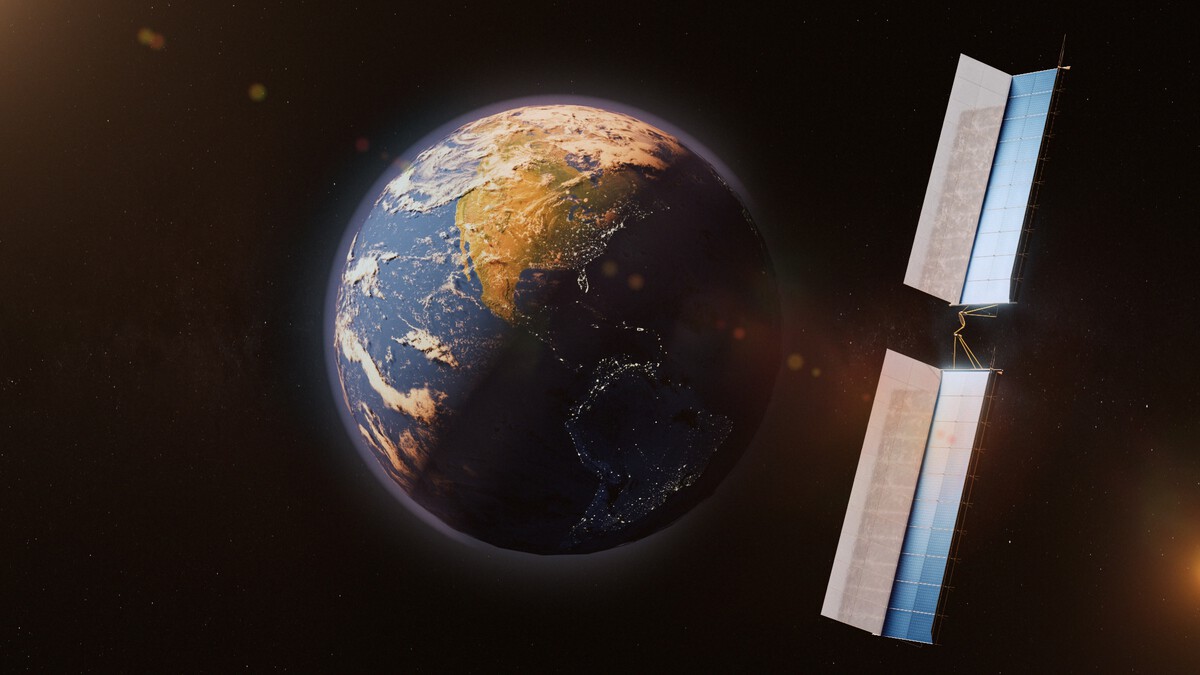
Space solar power offers a way to bypass that bottleneck. By capturing sunlight in space, where there is no night, clouds, or atmospheric interference, a satellite can generate power continuously. That energy can then be transmitted wirelessly to Earth, potentially powering ground-based solar farms even after sunset. This approach could complement batteries and help stabilize renewable energy grids.
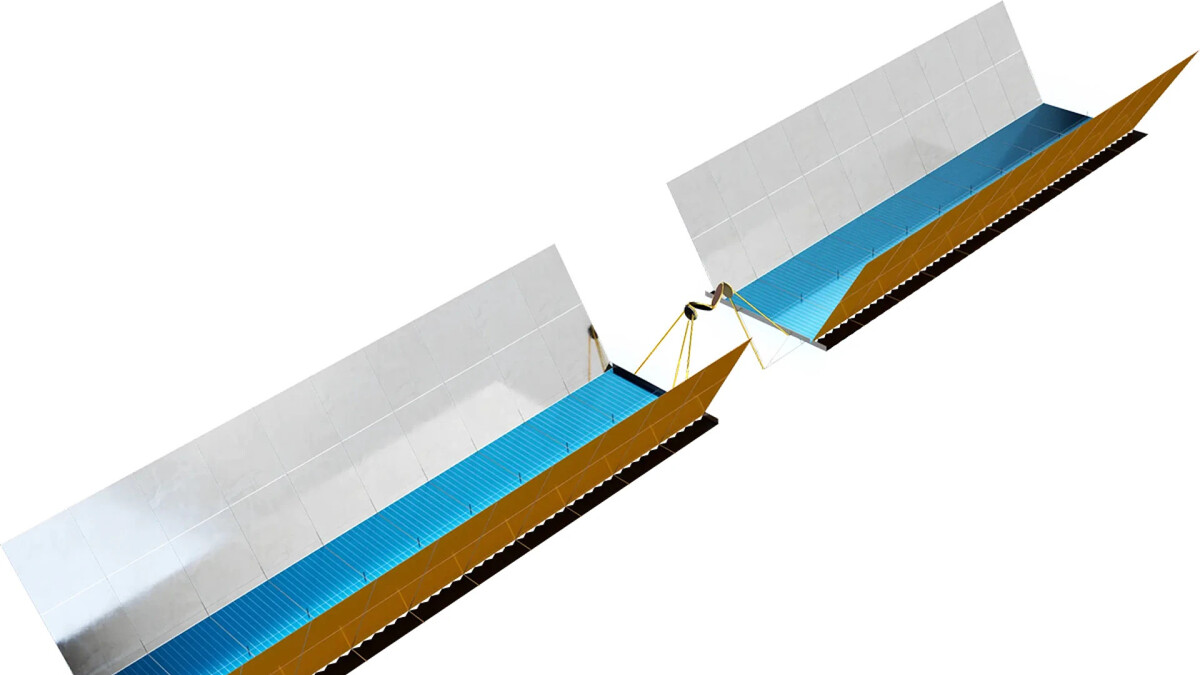
How Space Solar Power Works
The concept involves three main steps: collection, transmission, and reception. First, a satellite equipped with solar panels collects sunlight in orbit. Because it can stay in constant view of the sun—especially in geostationary orbit—it avoids the day-night cycle that limits ground solar. Second, the satellite converts that electricity into a form that can be beamed to Earth, such as microwaves or lasers. Third, a ground station receives the beam and converts it back into electricity for the grid.

Overview Energy's twist is to use this beamed power to keep existing solar farms productive at night. Instead of storing energy in batteries, the satellite essentially acts as a remote power source that illuminates or supplements terrestrial solar installations. This could dramatically increase the utilization of solar farms and reduce the need for massive battery banks.
- Continuous generation: Satellites in orbit can collect sunlight 24/7, avoiding weather and nighttime downtime.
- Wireless transmission: Power is beamed to Earth via microwaves or lasers, eliminating the need for physical connections.
- Grid integration: Ground stations convert the beam into electricity, feeding it into existing solar farms or directly to the grid.
- Reduced storage reliance: By providing power at night, space solar can lessen dependence on large-scale batteries.
- Scalability: The concept could be expanded by adding more satellites and ground receivers.
Challenges and Open Questions
Despite its promise, space solar power faces significant hurdles. Launch costs remain high, although they are falling with reusable rockets. The efficiency of wireless power transmission over thousands of kilometers is still unproven at scale. Safety and regulatory concerns around beaming power to Earth must be addressed, including potential interference with communications and wildlife.
Overview Energy's recent funding round suggests investors see potential, but the technology is far from commercial deployment. The company will need to demonstrate a working prototype and convince regulators that beamed power is safe. It also must compete with rapidly improving battery storage, which is already being deployed globally.
| Approach | Primary Method | Key Advantage | Main Challenge |
|---|---|---|---|
| Battery Storage | Store excess solar electricity in chemical batteries | Proven technology, modular | Cost, material constraints, limited duration |
| Space Solar Power | Collect sunlight in orbit, beam to Earth | Continuous generation, no nighttime gap | Launch cost, transmission efficiency, regulation |
| Pumped Hydro | Store energy by pumping water uphill | Large-scale, long-duration | Geographic limitations, environmental impact |
What This Means for the Energy Transition
If space solar power becomes viable, it could reshape how we think about renewable energy. Instead of building massive battery farms, utilities might invest in orbital infrastructure and ground receivers. This could be particularly valuable for regions with limited land for solar farms or those seeking energy independence.
However, it's unlikely to replace batteries entirely. A mix of solutions—batteries for short-duration storage, space solar for baseload nighttime power, and other technologies like green hydrogen—will likely emerge. The key takeaway is that innovation is expanding the menu of options for decarbonizing the grid.
What to Watch Next
Overview Energy's progress will be a bellwether for space solar power. Keep an eye on demonstrations of wireless power transmission, partnerships with utilities, and regulatory approvals. Cost reductions in launch and improvements in transmission efficiency will determine whether this remains a niche idea or becomes a mainstream energy source. The background to this story is set out in Energy Utilities: latest articles.
For now, the concept reminds us that solving the solar intermittency problem may require thinking beyond the surface of our planet. As the world races to meet climate goals, unconventional solutions deserve serious consideration. A related thread runs through Ancient Greek Soldiers Were Powerhouses: 11 Hours in 3,500-Year-Old Bronze. Earlier coverage in Space Solar Power: Beaming Sunlight to Earth at Night shows how the argument developed.
FAQ
What is space solar power?
Space solar power is a technology that collects sunlight in space using satellites and transmits the energy to Earth wirelessly, typically via microwaves or lasers. It aims to provide continuous renewable power regardless of weather or time of day.
How does Overview Energy's approach differ from traditional space solar?
Overview Energy proposes using beamed power to keep ground-based solar farms operating at night, rather than storing energy in batteries. This could reduce reliance on large-scale storage and increase the utilization of existing solar installations.
Is space solar power safe?
Safety is a key concern, particularly regarding wireless power transmission. Beams must be carefully controlled to avoid harm to people, wildlife, and infrastructure. Regulatory agencies will require thorough testing before approval.
When will space solar power be available?
It's still in early stages. While Overview Energy has raised funding, commercial deployment is likely years away. Demonstrations and pilot projects will be needed to prove feasibility and safety.
Browse the Shop
 Acacia frida deluxe solid wood bed frame |
Bedroom bench |
Bed chest drawers |
Lingerie dresser |
Frame base |
Mirror with jewelry storage |
30 Bathroom Vanity |
Memory foam queen mattress |
Mattresses for back pain |
Nightstand set of 2 |
Grand Goldman Shop |
Civil Lawyer
Deutschland Trikot WM 2026










