

A new study suggests that solar flares could be up to 30 times more destructive than the Halloween solar storm of 2003, the most powerful ever recorded. The research, from the Max Planck Institute and the University of Colorado Boulder, warns that our telecommunications and power systems may face far greater risks than previously thought.
The 2003 Halloween storm, which occurred on October 31, caught the world off guard. While people were celebrating Halloween and preparing for Day of the Dead, the Sun unleashed massive flares that disrupted satellites and communications. For years, it was considered the upper limit of solar intensity. Now, scientists say that limit may be far higher.
Find Original, High-end Home Decor that spark conversation at Grand Goldman Shop.
What Happened During the 2003 Halloween Solar Storms?
On October 31, 2003, the Sun emitted a series of powerful solar flares, known as the Halloween solar storms. These flares were the most intense ever recorded, causing disruptions to satellite communications, power grids, and GPS systems. The event highlighted our vulnerability to space weather.
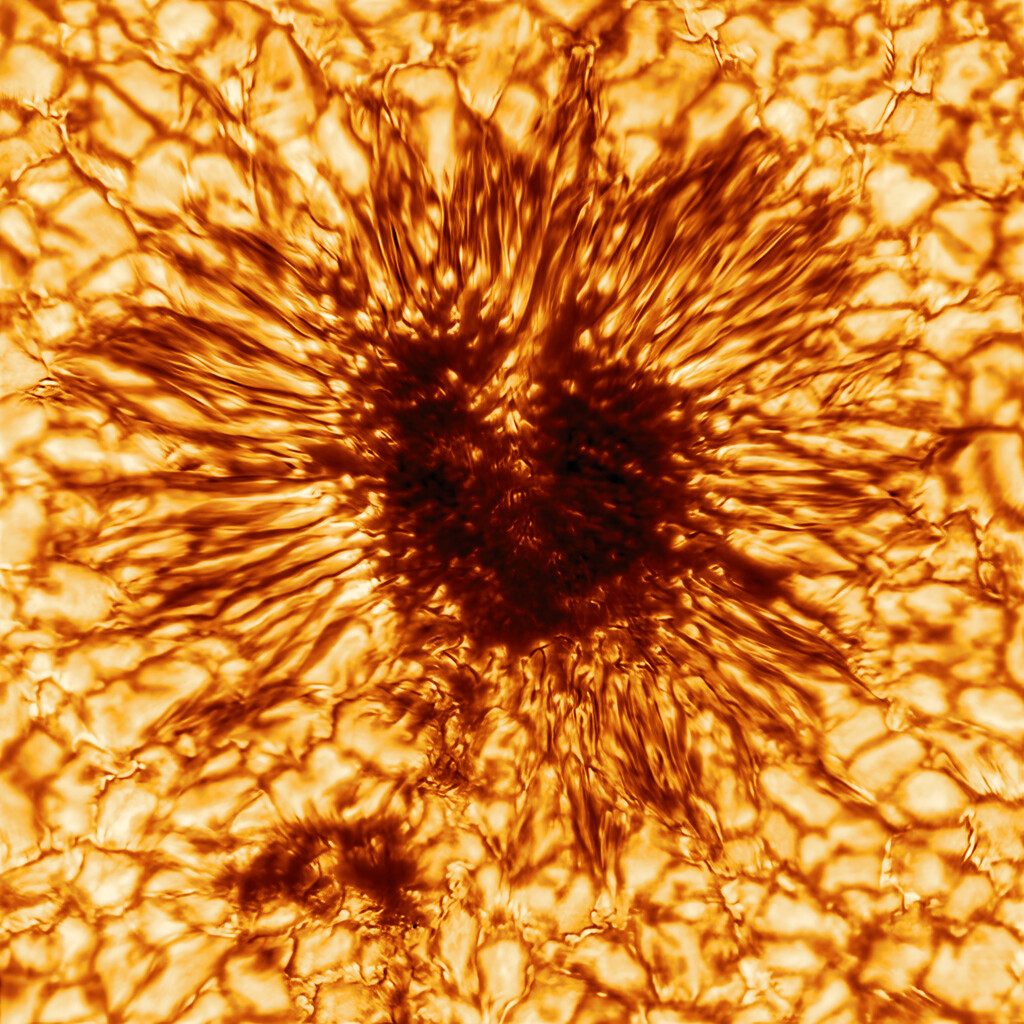
At the time, the Halloween storms were thought to represent the maximum possible intensity. But the new study indicates that the Sun could produce flares significantly more powerful—up to 30 times more destructive—than those seen in 2003.
Why the New Study Changes Our Understanding of Solar Flares
The study, published by researchers at the Max Planck Institute and the University of Colorado Boulder, analyzed sunspot activity to reassess the potential intensity of solar flares. Sunspots are cooler regions on the Sun's surface where magnetic fields are concentrated and tangled.
When these magnetic fields rearrange, they can release enormous amounts of energy in the form of solar flares. The researchers found that the energy stored in sunspots can be far greater than what was observed during the Halloween storms, suggesting that much more powerful flares are possible.
The Role of Sunspots in Solar Flare Intensity
Sunspots play a crucial role in solar flare generation. The magnetic energy stored in these regions can be released suddenly, creating flares that can impact Earth's magnetosphere. The study's findings imply that we may have underestimated the Sun's potential for destruction.
Potential Impact on Telecommunications and Power Grids
A solar flare 30 times more powerful than the 2003 event could cause widespread chaos. The electromagnetic radiation and charged particles from such a flare could damage satellites, disrupt GPS, and induce currents in power lines that could lead to blackouts.
In 2003, the Halloween storms caused power outages in Sweden and damaged transformers in South Africa. A more intense event could have far more severe consequences, affecting global communications and energy infrastructure. The longer history behind the story is traced in Ancient Drug Use: 25,000-Year-Old Teeth Reveal First Evidence.
- Satellite damage: Increased radiation can disable satellites, affecting communication and navigation systems.
- Power grid disruptions: Geomagnetically induced currents can overload transformers, leading to widespread blackouts.
- GPS and navigation errors: Ionospheric disturbances can degrade GPS accuracy, impacting aviation and maritime operations.
- Communication blackouts: High-frequency radio communications can be disrupted, affecting emergency services.
- Economic losses: The cost of repairing infrastructure and lost productivity could run into billions of dollars.
Comparing Solar Flare Events: 2003 vs. Potential Future Superflares
The table below compares the 2003 Halloween solar storms with the potential superflares suggested by the new study. The background to this story is set out in June Sun Makes UK Strawberries Sweeter Than Ever. A related thread runs through Mercury Reaches Farthest Point from Sun: Best Viewing Tips. Earlier coverage in Science: latest articles shows how the argument developed.
| Event | Estimated Intensity | Impact on Earth |
|---|---|---|
| 2003 Halloween Solar Storms | X45 (estimated) | Satellite disruptions, power outages, GPS errors |
| Potential Superflare (30x more destructive) | X1300+ (hypothetical) | Widespread blackouts, satellite failures, communication collapse |
What This Means for Our Infrastructure and Preparedness
The study underscores the need for better space weather monitoring and infrastructure hardening. While we cannot prevent solar flares, we can mitigate their effects through early warning systems and resilient technologies. A closer look at the same subject appears in PLD Space MIURA 9: Spain's Reusable Rocket Ambition. Anyone following the wider picture can start with Building on Mars Without Earth Bricks: Gelatin and Yeast Solution. The same theme surfaces in 70 Years of Space Launches Visualized in Three Charts, which takes a different angle.
Power grids can be equipped with devices to block geomagnetically induced currents, and satellites can be designed with radiation hardening. However, global cooperation and investment are required to implement these measures. Context on how this played out before sits in Texas Sets Power Demand Records Without Blackouts Thanks to Batteries. A companion piece, Solar Flare Risk: Sun Could Be 30 Times More Destructive Than 2003, approaches the same subject from another angle.
FAQ
What was the Halloween solar storm of 2003?
The Halloween solar storm of 2003 was a series of powerful solar flares that occurred around October 31, 2003. It was the most intense solar storm ever recorded, causing disruptions to satellites and power grids.
How much more destructive could a solar flare be?
According to the new study, solar flares could be up to 30 times more destructive than the 2003 Halloween storm. This means the potential intensity is far greater than previously believed.
What are sunspots and why are they important?
Sunspots are cooler regions on the Sun's surface where magnetic fields are concentrated. They store vast amounts of energy that can be released as solar flares. The study found that sunspots can hold much more energy than previously thought.
How can we protect our infrastructure from solar flares?
Protection measures include early warning systems, hardening power grids with blocking devices, and designing satellites to withstand radiation. International cooperation is essential to implement these solutions.
Browse the Shop
 Acacia frida deluxe solid wood bed frame |
Bedroom bench |
Bed chest drawers |
Lingerie dresser |
Frame base |
Mirror with jewelry storage |
30 Bathroom Vanity |
Memory foam queen mattress |
Mattresses for back pain |
Nightstand set of 2 |
Grand Goldman Shop |
Civil Lawyer
Deutschland Trikot WM 2026







