

The Cádiz beach ball ban has sparked a heated debate in Spain this summer, as local police begin enforcing rules that restrict playing football and other ball games on the city's popular beaches. The move aims to balance the rights of children wanting to play against those of sunbathers seeking peace, but it has left many wondering: is this fair?
The controversy resurfaced after a Canal Sur report revealed that Cádiz's Local Police are actively cracking down on beach football matches. The city's ordinance clearly limits where ball games are allowed, and violators could face fines of up to €750. This has ignited a familiar summer argument across Spain: should ball games be banned on beaches?
Find Original Home Decor sparking conversation at Grand Goldman Shop.

What's Behind the Cádiz Beach Ball Ban?
The Cádiz beach ball ban is not a new law but an enforcement of existing regulations. The city's ordinance restricts ball games to specific areas and times, aiming to prevent conflicts between beachgoers. According to the report, police have started to enforce these rules more strictly, leading to complaints from families.
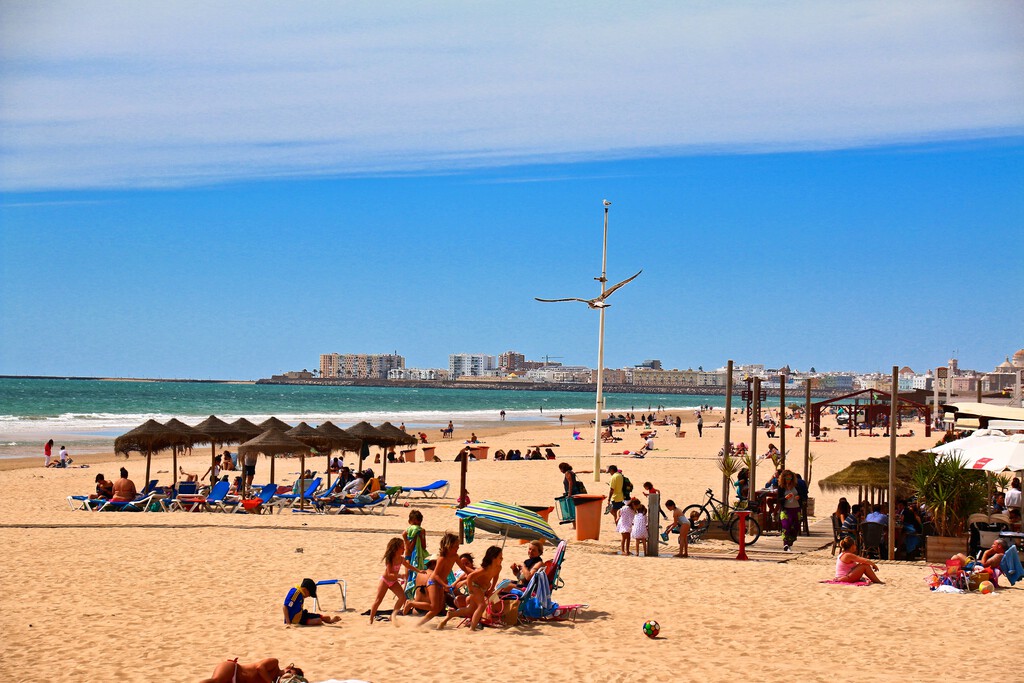
The core issue is a clash of beach cultures. On one side, groups of youngsters want to enjoy a casual kickabout on the sand. On the other, elderly couples and tourists seek relaxation without the risk of being hit by a stray ball. The ordinance tries to mediate by designating zones, but enforcement has proven contentious.
Why Now?
Summer crowds have grown, and incidents have increased, prompting authorities to act. The Canal Sur report highlighted that the police are responding to complaints from residents and visitors alike. The fines serve as a deterrent, but critics argue they penalize children's play.
What the Ordinance Actually Says
The Cádiz ordinance is specific: ball games are prohibited in certain areas of the beach, particularly during peak hours and in zones crowded with sunbathers. The rules are designed to ensure safety and enjoyment for all. However, the exact boundaries and enforcement practices have raised questions.
For instance, the ordinance may allow ball games in less crowded areas or outside peak times, but these details are often unclear to beachgoers. The €750 fine is the maximum penalty, but it's unclear how often it's applied. The lack of clear signage and public awareness has fueled frustration.
Comparison of Beach Rules Across Spanish Cities
| City | Ball Games Allowed? | Restrictions | Maximum Fine |
|---|---|---|---|
| Cádiz | Limited | Designated areas/times | €750 |
| Barcelona | Yes, with conditions | Not near sunbathers | Up to €500 |
| Valencia | Yes, in specific zones | Only in sports areas | €300 |
| Málaga | No | Banned on crowded beaches | €600 |
Who Is Affected by the Cádiz Beach Ball Ban?
The ban primarily affects families with children who enjoy playing on the beach. Many parents argue that beach football is a healthy activity and a staple of Spanish summer culture. For them, the ban feels like an attack on tradition.
On the other hand, elderly beachgoers and tourists who prefer tranquility welcome the enforcement. They cite incidents of balls hitting people, disrupting picnics, or knocking over sandcastles. The debate is emotional on both sides, with no easy resolution.
Local businesses also have a stake. Some chiringuitos (beach bars) rely on families for revenue and worry that strict rules could deter visitors. Others support the ban, hoping it will attract a quieter, higher-spending clientele. The longer history behind the story is traced in Cádiz Beach Ball Ban: New Rules for Kids' Games on the Sand.
Key Takeaways from the Cádiz Beach Ball Controversy
- Enforcement is underway: Cádiz police are actively enforcing the beach ball ban, with fines up to €750.
- Ordinance limits ball games: The rules restrict where and when ball games can be played, aiming to protect sunbathers.
- Public reaction is divided: Families see it as unfair, while others welcome the peace.
- Lack of awareness: Many beachgoers are unaware of the specific rules, leading to confusion.
- Broader debate: The issue reflects a wider tension between tradition and tourism in Spanish coastal cities.
What to Watch Next in the Beach Ball Debate
The Cádiz beach ball ban is likely to evolve as the summer progresses. Local authorities may need to clarify the rules and improve signage to avoid confrontations. There's also the possibility of legal challenges or protests from residents who feel the ban goes too far. The background to this story is set out in Covid Shots for Kids Delayed: Trump Officials Restrict Vaccines. A related thread runs through Children Playing Outside Independently: Vital for Growth. Earlier coverage in Playing Video Games With My 22-Year-Old Son Brings Tears shows how the argument developed.
Meanwhile, other Spanish coastal cities are watching closely. If Cádiz's strict approach succeeds in reducing conflicts, it could inspire similar measures elsewhere. But if it backfires, it might serve as a cautionary tale about over-regulation. A closer look at the same subject appears in The Sims: Why I'm Breaking Up After 25 Years of Playing. Anyone following the wider picture can start with Judge Rules FDA Mifepristone Restrictions Arbitrary and. The same theme surfaces in Trending: latest articles, which takes a different angle.
For now, beachgoers in Cádiz should familiarize themselves with the ordinance to avoid fines. Parents might need to find alternative areas for kids to play, while sunbathers can enjoy a more peaceful environment. Ultimately, the goal is to ensure that everyone can enjoy the beach safely and respectfully. Context on how this played out before sits in Venice's $6 Billion Flood Barrier: A Model for Spain's Cádiz Bay. A companion piece, Spain's Blue Flag Beaches and 48 Black Flags: What Travelers Need to Know, approaches the same subject from another angle.
FAQ
What is the Cádiz beach ball ban?
The Cádiz beach ball ban refers to the enforcement of a local ordinance that restricts playing ball games on certain beaches. It aims to balance the needs of children playing and sunbathers seeking relaxation, with fines up to €750 for violations.
Are children allowed to play football on Cádiz beaches?
Children can play football only in designated areas or outside restricted times, as per the ordinance. However, enforcement has been strict, and many families feel the rules are too harsh. It's advisable to check local signage or ask authorities.
How much is the fine for playing ball on the beach in Cádiz?
Fines can go up to €750 for violating the beach ball ban, though the exact amount may depend on the severity of the infraction and the discretion of the police.
Why did Cádiz decide to enforce the ban now?
The enforcement comes after increased complaints from beachgoers about disruptions and safety concerns. The city aims to ensure a pleasant experience for all visitors, but the move has sparked a debate about tradition versus regulation.
Browse the Shop
 Acacia frida deluxe solid wood bed frame |
Bedroom bench |
Bed chest drawers |
Lingerie dresser |
Frame base |
Mirror with jewelry storage |
30 Bathroom Vanity |
Memory foam queen mattress |
Mattresses for back pain |
Nightstand set of 2 |
Grand Goldman Shop |
Civil Lawyer
Deutschland Trikot WM 2026







