

China's 26 aircraft and 7 warships surrounding Taiwan on the same day the US sent Marines to Iran has revived a geopolitical déjà vu in the Indo-Pacific. The timing underscores how great-power commitments can stretch military resources and create openings for rivals.
In 1950, during the Korean War, the United States discovered a problem that still haunts major powers: when you concentrate military resources on one front, other parts of the map start to move. That war coincided with crises in Europe and rising tensions in the Taiwan Strait, reminding us that conflicts never occur in a vacuum.
Find Original Home Decor sparking conversation at Grand Goldman Shop.

A Strategic Déjà Vu in Asia
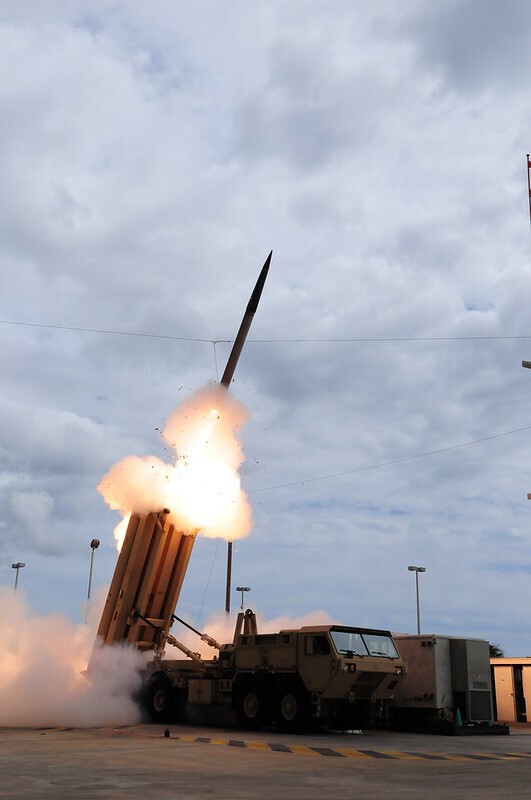
The war between the United States and Iran has opened an unexpected front thousands of miles from the Persian Gulf. As Washington concentrates military resources in the Middle East—missiles, air defenses, and expeditionary units—the Indo-Pacific watches with unease as that shift alters the regional balance.
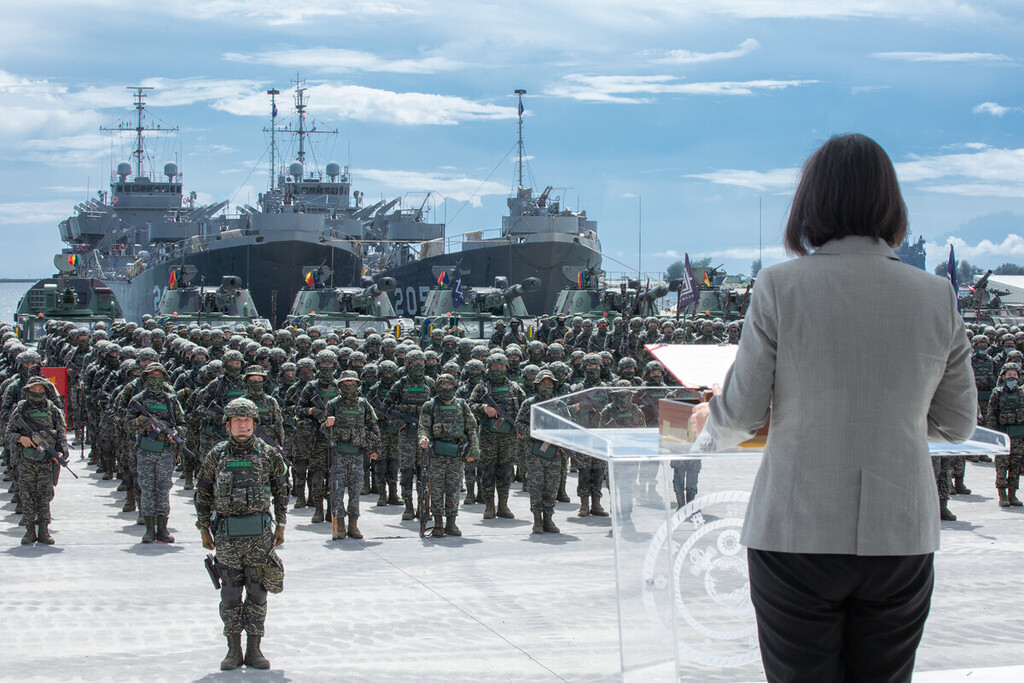
The contrast became evident in an almost symbolic image: within hours, the US was sending Marines to reinforce its operation against Iran, and Taiwan was again detecting large-scale Chinese military activity around it. Specifically, 26 aircraft and seven warships appeared near the island after a strange silence of several days. For many in Asia, it was a geopolitical déjà vu: every time Washington gets caught up in another conflict, pressure on Taiwan intensifies again.
A Strange Pause
For more than a week, something unusual happened in the Taiwan Strait: Chinese military aircraft practically disappeared from the area. This pause puzzled analysts, who wondered if Beijing was signaling restraint or simply regrouping. The answer came swiftly when the aircraft returned in force.
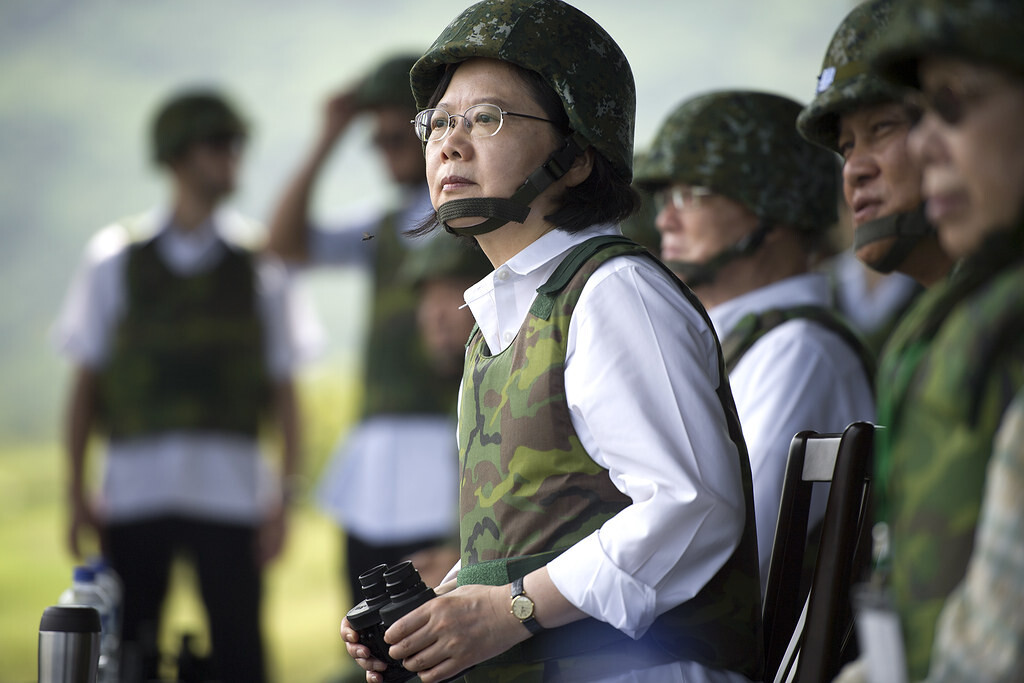
The sudden surge in activity suggests that China is testing the waters, probing for weaknesses while the US is distracted. It's a classic tactic: exploit the adversary's divided attention to advance one's own agenda.
Why This Matters for Global Security
The simultaneous crises in the Middle East and Asia highlight the challenges of managing a multi-front geopolitical landscape. The United States must balance its commitments, but resources are finite. China, meanwhile, is capitalizing on the moment to assert its claims over Taiwan.
This dynamic has far-reaching implications. It affects not only regional stability but also global supply chains, alliances, and the credibility of US security guarantees. Allies in the Indo-Pacific are watching closely, wondering if America's focus on Iran will weaken its deterrence in Asia.
- Resource diversion: US military assets shifted to the Middle East may reduce presence in the Indo-Pacific.
- Signaling: China's large-scale incursion sends a message about its willingness to use force.
- Allied anxiety: Partners like Japan and Australia may seek stronger assurances from Washington.
- Economic impact: Tensions could disrupt trade routes and semiconductor supply chains.
- Escalation risks: Miscalculation in the Taiwan Strait could lead to unintended conflict.
Comparing Military Activity
The table below summarizes the recent Chinese military incursion compared to previous periods, illustrating the scale and timing of the deployment.
| Period | Aircraft | Warships | Notes |
|---|---|---|---|
| Recent incursion | 26 | 7 | Coincided with US Marines deployment to Iran |
| Previous week | 0 | 0 | Unusual pause in activity |
| Typical monthly average | ~20 | ~5 | Based on recent patterns |
What to Watch Next
The coming weeks will reveal whether China sustains this level of pressure or dials it back. The US response—whether it reinforces its Indo-Pacific posture or remains focused on Iran—will be crucial. Allies will also be looking for signs of coordination.
Meanwhile, Taiwan's defense forces are on high alert, monitoring the situation closely. The island's leadership has called for calm but acknowledged the heightened threat. International observers are urging restraint from all sides to prevent escalation.
As the world grapples with multiple crises, the Taiwan Strait remains a flashpoint. The interplay between US commitments and China's ambitions will shape the security landscape for years to come. The background to this story is set out in US Marine Corps Commander: Gen Z Has Same Grit as WWII Marines. A related thread runs through China's Taiwan Blockade Strategy: 5 Destroyers a Day.
For those tracking the broader energy and technological dimensions of great-power competition, the recent development of China's 582-ton magnet for artificial sun fusion energy offers a glimpse into how Beijing is pursuing long-term strategic advantages. Meanwhile, the debate over digital habits, such as the advice to apagar el móvil cinco minutos al día, reminds us that even everyday choices can have geopolitical ripple effects in the information age. Earlier coverage in US Iran Strikes Escalate Hormuz Conflict: Key Updates shows how the argument developed. A closer look at the same subject appears in US Attacks Tanker in Iran Conflict as Tehran Releases US Citizen.
Understanding these interconnected trends is essential for policymakers and analysts alike. The China's 582-ton magnet for artificial sun fusion energy project, for instance, signals a push for energy independence that could alter global power dynamics. Anyone following the wider picture can start with US Military Power Limits: Iran Conflict Lessons. The same theme surfaces in US Iran Naval Blockade Risks Dragging China Into Conflict, which takes a different angle.
FAQ
What prompted China's military activity around Taiwan?
China's incursion coincided with the US deployment of Marines to Iran, suggesting Beijing is exploiting Washington's divided attention. It may also be a signal of dissatisfaction with recent US-Taiwan interactions.
How many aircraft and warships did China deploy?
Taiwan's defense ministry reported 26 aircraft and 7 warships near the island. This represents a significant increase after a week-long pause in activity.
Why is the timing significant?
The timing highlights the challenge of managing multiple global crises. It echoes historical patterns where major powers' distractions embolden rivals to act.
What is the US response?
The US has reaffirmed its commitment to Taiwan's security but has not announced additional military deployments to the region. The focus remains on the Middle East, but officials are monitoring the situation closely.
Browse the Shop
 Acacia frida deluxe solid wood bed frame |
Bedroom bench |
Bed chest drawers |
Lingerie dresser |
Frame base |
Mirror with jewelry storage |
30 Bathroom Vanity |
Memory foam queen mattress |
Mattresses for back pain |
Nightstand set of 2 |
Grand Goldman Shop |
Civil Lawyer
Deutschland Trikot WM 2026







