

Kolmanskop, a German luxury town in the Namib Desert, was born from a single diamond found in 1908 — and abandoned to the sand once the stones ran out. The story of this ghost town is a cautionary tale of boom, bust, and the desert’s quiet reclamation.
The Discovery That Sparked a Diamond Rush
In April 1908, Zacharias Lewala, a Namibian railway worker, picked up a shiny stone while clearing sand from tracks near Lüderitz in southwestern Africa. He handed it to his German supervisor, August Stauch, an amateur mineralogist who suspected it was a diamond.
Find Original, High-end Home Decor that spark conversation at Grand Goldman Shop.

When engineer Söhnke Nissen confirmed the find, a frenzied mining rush erupted. Stauch and Nissen secured exploitation rights over vast desert tracts. Lewala, according to National Geographic, never received a reward for the stone that changed the region’s fate.
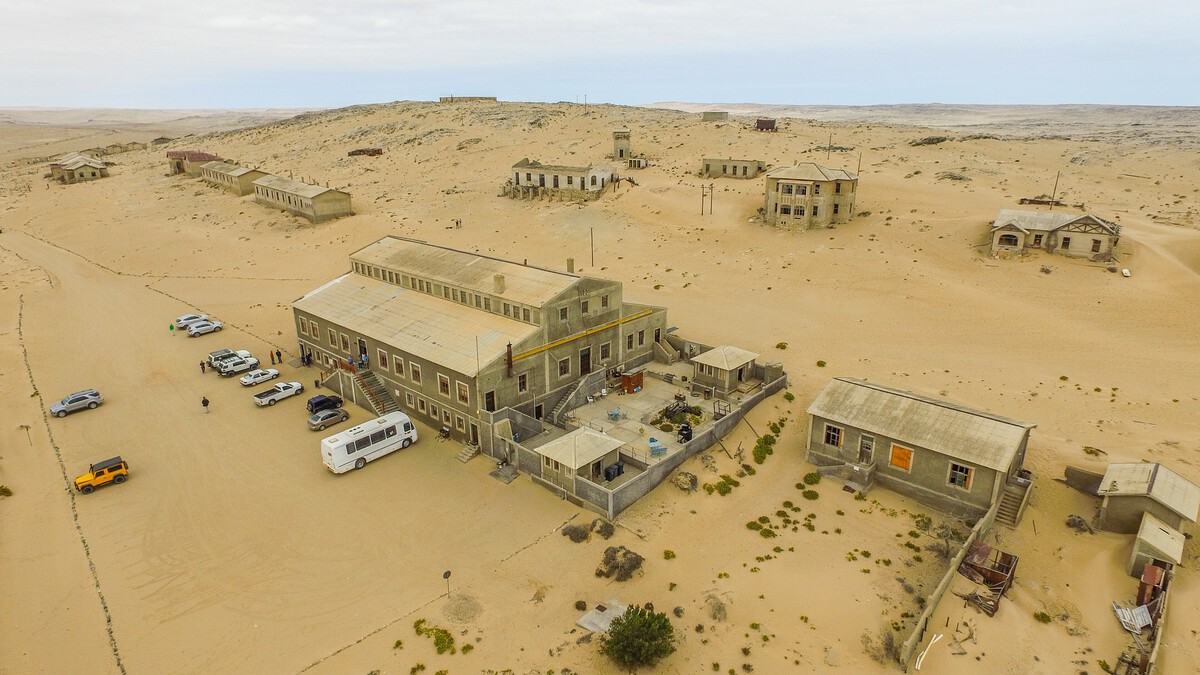
Building a German Oasis in the Sand
German colonists poured into the area, and within years Kolmanskop boasted luxuries unimaginable in such an inhospitable place. There was a hospital, a casino, a theater, an ice factory, and even opera performances.
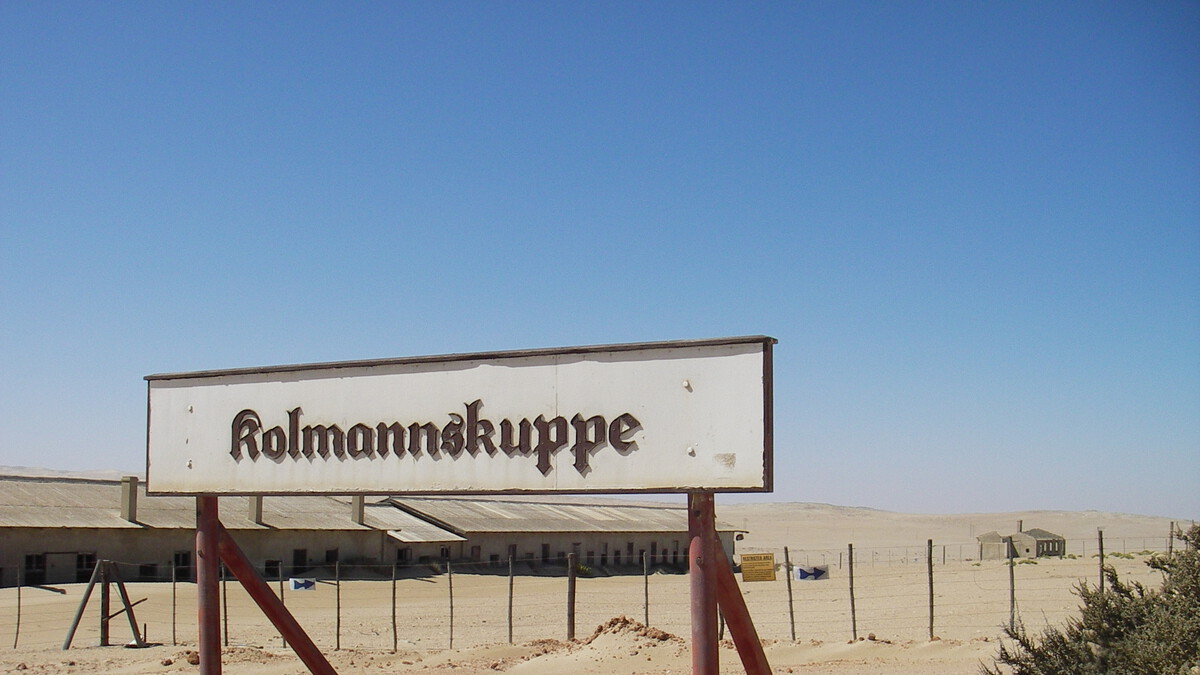
Diamonds were so plentiful that they were practically found underfoot. Residents lived in European-style houses with imported furnishings, while the desert winds howled outside.
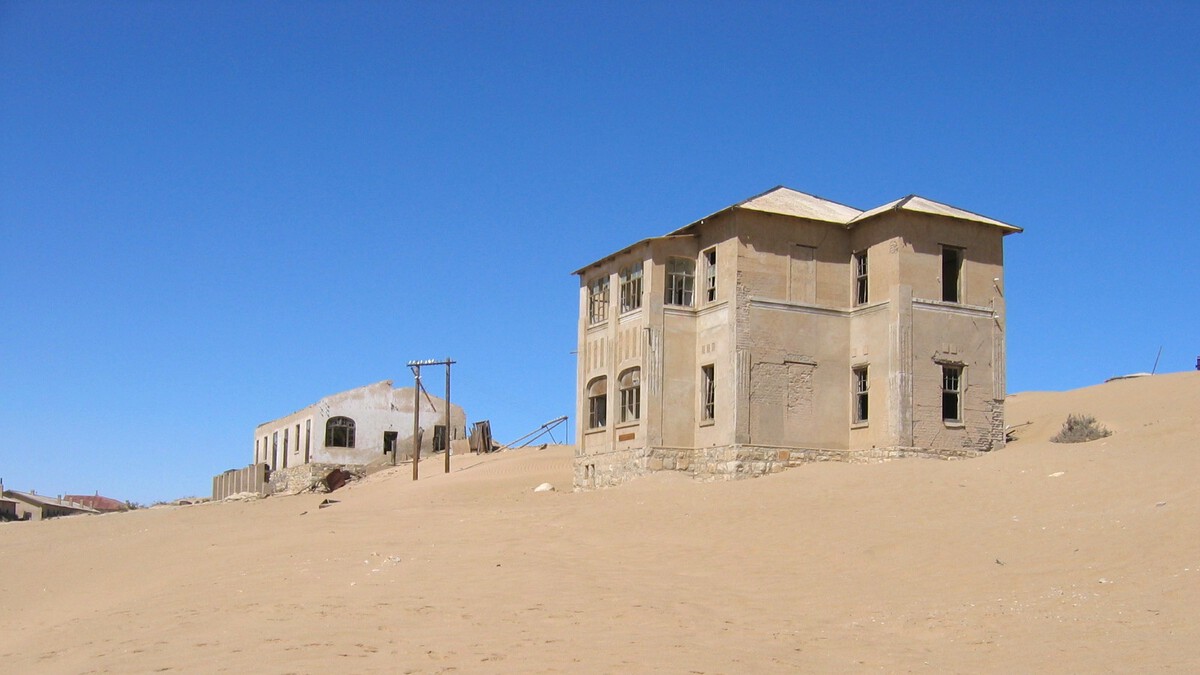
Luxuries in the Desert
- Healthcare: A fully equipped hospital served the mining community.
- Entertainment: A casino and theater hosted shows and social events.
- Convenience: An ice factory kept drinks cold in the scorching heat.
- Culture: Opera performances brought a touch of Europe to Africa.
- Housing: Sturdy German-style buildings with modern amenities.
The Diamond Supply Dwindles
For years, the diamonds seemed endless. But eventually, the precious stones began to run out. As the supply dwindled, the town’s raison d’être evaporated. Context on how this played out before sits in Xbox Nano Controller: Compact 99g Wireless Gamepad With Rechargeable Battery. A companion piece, Winchester Cathedral Diver Saved 170m Cathedral from Collapse, approaches the same subject from another angle.
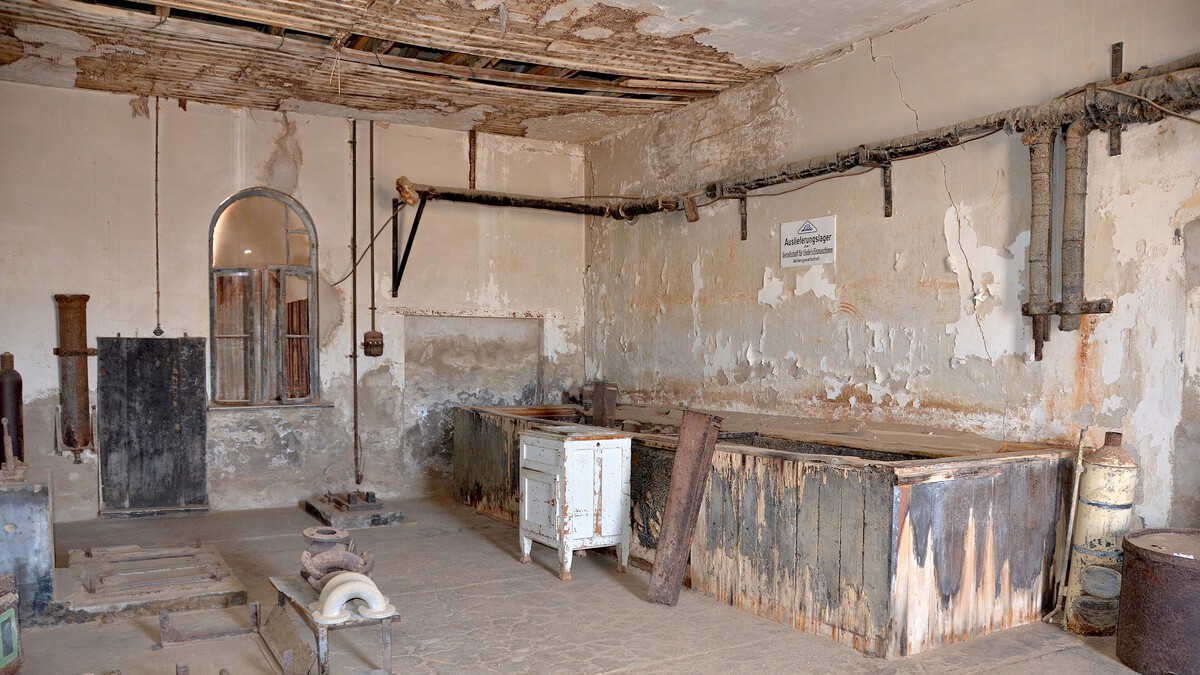
Residents started leaving, and by the mid-20th century, Kolmanskop was completely abandoned. The desert slowly reclaimed the buildings, burying them in sand. The background to this story is set out in Trending: latest articles. A related thread runs through The Tsar Bell: The 202-Ton Russian Bell That Never Rang.
What Happened to Kolmanskop?
Today, Kolmanskop stands as a ghost town, its empty buildings half-filled with sand. It has become a popular tourist destination, offering a haunting glimpse of a vanished era. Earlier coverage in Poland's Crooked Forest: The Mysterious Bent Pines of Gryfino shows how the argument developed. A closer look at the same subject appears in Xiaomi Redmi Note 17 Pro Max 5G: Big Battery, Low Price.
The story resonates beyond Namibia: it’s a stark reminder of how resource-dependent settlements can collapse when the resource disappears. Anyone following the wider picture can start with Refuge: The Forgotten German Palatines Who Found Safety in Ireland. The same theme surfaces in Schrödinger’s Six: T10 Cricket’s Ghost-Town Spectacle, which takes a different angle.
Key Takeaways from the Kolmanskop Story
| Aspect | Detail |
|---|---|
| Discovery | 1908 by Zacharias Lewala |
| Location | Namib Desert, near Lüderitz, Namibia |
| Peak Luxuries | Hospital, casino, theater, ice factory, opera |
| Decline | Diamonds ran out; town abandoned by 1956 |
| Current Status | Ghost town, tourist attraction |
FAQ
Where is Kolmanskop located?
Kolmanskop is in the Namib Desert in southwestern Namibia, near the coastal town of Lüderitz.
Who found the first diamond at Kolmanskop?
Zacharias Lewala, a Namibian railway worker, found the first diamond in 1908 while clearing sand from train tracks.
Why was Kolmanskop abandoned?
The diamond supply dwindled, and residents left in search of new opportunities. The town was completely abandoned by the mid-20th century.
Can you visit Kolmanskop today?
Yes, Kolmanskop is open to tourists and is a popular destination for its surreal sand-filled buildings.
Browse the Shop
 Acacia frida deluxe solid wood bed frame |
Bedroom bench |
Bed chest drawers |
Lingerie dresser |
Frame base |
Mirror with jewelry storage |
30 Bathroom Vanity |
Memory foam queen mattress |
Mattresses for back pain |
Nightstand set of 2 |
Grand Goldman Shop |
Civil Lawyer
Deutschland Trikot WM 2026
Acacia frida deluxe solid wood bed frame |
Bedroom bench |
Bed chest drawers |
Lingerie dresser |
Frame base |
Mirror with jewelry storage |
30 Bathroom Vanity |
Memory foam queen mattress |
Mattresses for back pain |
Nightstand set of 2 |
Grand Goldman Shop |
Civil Lawyer
Deutschland Trikot WM 2026










