

Winchester Cathedral, one of England's largest cathedrals, was saved from collapse by diver William Walker, who placed 25,000 concrete bags underwater. This extraordinary feat of engineering prevented the 170-meter-long structure from sinking into the marshy ground.
The Geological Trap Beneath Winchester Cathedral
Winchester Cathedral was built starting in 1079 next to the old course of the River Itchen in southern England. Beneath its massive walls lay layers of peat, wet sediments, and gravel that made foundation work extremely challenging.
Find Original, High-end Home Decor that spark conversation at Grand Goldman Shop.

Medieval builders tried to solve the problem using oak piles and, during 13th-century expansions, a double layer of beech logs to support part of the building. That solution allowed construction to continue, but the weight of the structure gradually compressed the ground.
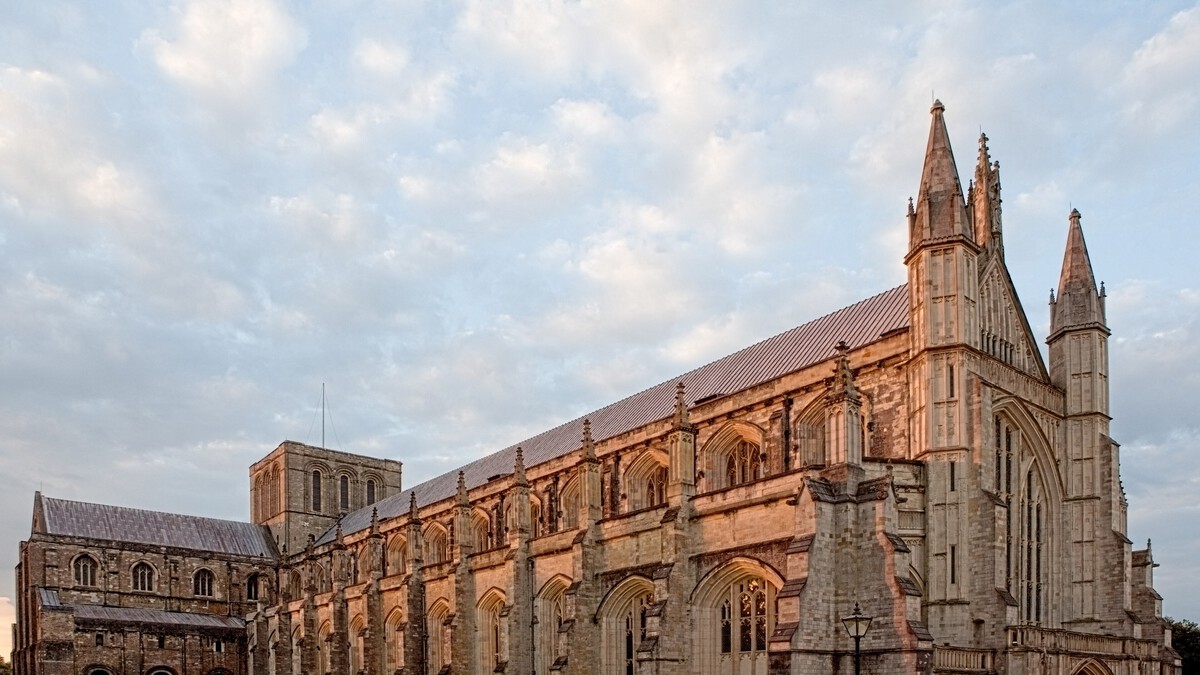
Cracks Signal Disaster
Structural problems began long before the 20th century, but by 1905 they had reached alarming severity. Large cracks ran through the masonry, and some areas of the cathedral showed signs of imminent failure.
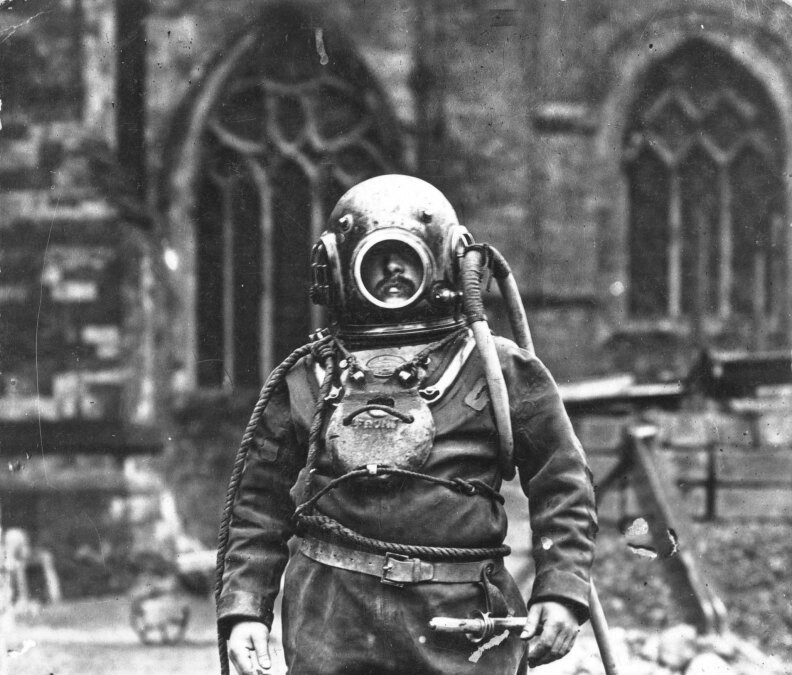
The cathedral was literally sinking into the ground, and engineers faced a daunting challenge: how to stabilize a massive stone structure built on waterlogged peat.
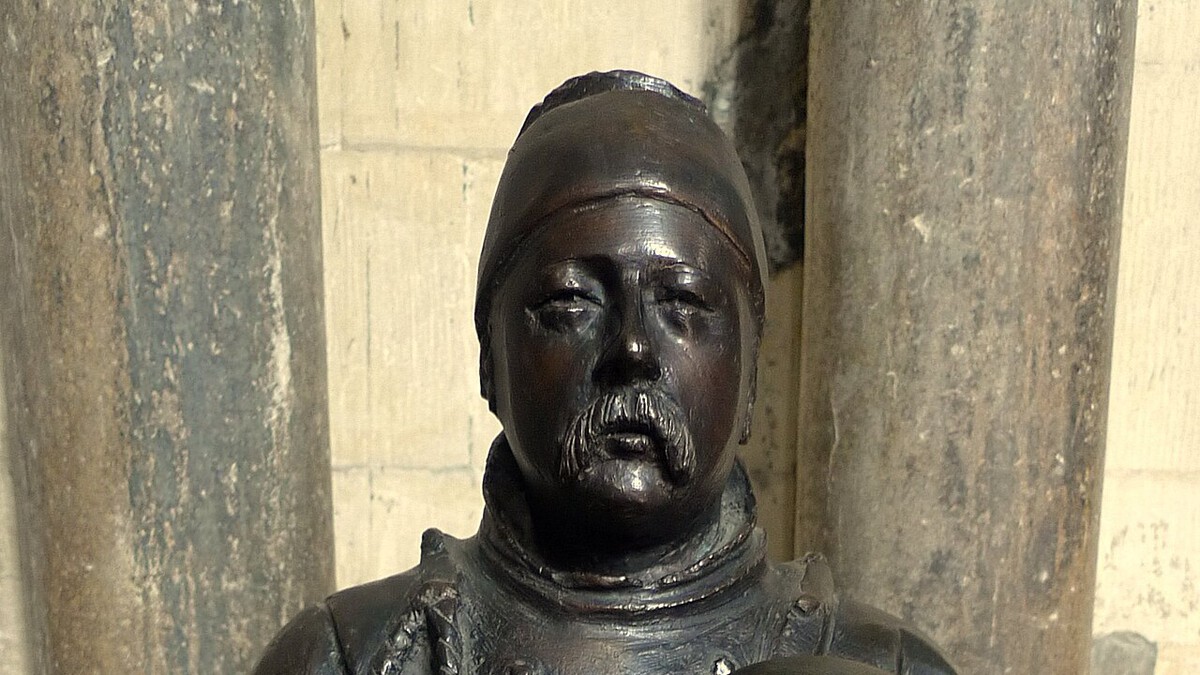
William Walker: The Diver Who Saved a Cathedral
Engineers devised an extraordinary solution: send a diver to work beneath the flooded foundations in near-total darkness. For five and a half years, William Walker placed nearly 26,000 concrete bags by touch under several meters of water.
Working in absolute darkness, Walker had to feel his way around the cathedral's foundations, carefully positioning each bag to reinforce the structure. His work was recorded in the history books as one of the most remarkable feats of underwater engineering.
Key Takeaways
- Winchester Cathedral was built on unstable peat and gravel, causing it to sink over centuries.
- By 1905, large cracks threatened the cathedral's collapse.
- William Walker worked underwater for five and a half years, placing 25,000 concrete bags.
- He worked in near-total darkness, relying on touch to position each bag.
- His efforts saved the cathedral and became a landmark in engineering history.
The Engineering Challenge
Placing concrete bags underwater without visibility was extremely dangerous and required incredible skill. Walker had to navigate flooded chambers and position each bag precisely to support the cathedral's foundations.
The work was painstaking and slow, but it ultimately stabilized the structure and prevented its collapse. The method involved reinforcing the foundation with concrete bags that displaced water and created a solid base. Anyone following the wider picture can start with Best Value Air Fryers: Top 5 Models for Every Kitchen Need.
Comparison of Cathedral Dimensions and Diving Conditions
| Factor | Details |
|---|---|
| Cathedral length | 170 meters |
| Depth of water | 6 meters |
| Number of concrete bags | 25,000 |
| Duration of work | 5.5 years |
| Visibility | Near-total darkness |
What This Means for Modern Engineering
Walker's work remains a testament to human ingenuity and determination. It highlights how creative solutions can overcome seemingly insurmountable challenges, even in the most hostile environments. The background to this story is set out in Trending: latest articles. A closer look at the same subject appears in Winchester Cathedral Diver Saved 170m Cathedral from Collapse.
The story of Winchester Cathedral serves as an inspiration for engineers facing foundation problems in difficult conditions. It also underscores the importance of preserving historical structures through innovative techniques. A related thread runs through Kolmanskop: The Diamond Boom Town Germany Built in the Desert. Earlier coverage in Best Kitchen Robots 2026: Top 7 Models from €219 shows how the argument developed.
FAQ
Who was William Walker?
William Walker was a diver who worked underwater for five and a half years to save Winchester Cathedral from collapse. He placed 25,000 concrete bags under the cathedral's flooded foundations.
Why was Winchester Cathedral sinking?
The cathedral was built on layers of peat, wet sediments, and gravel, which compressed over time under the massive weight of the structure.
How did William Walker work in darkness?
He worked by touch in near-total darkness, feeling his way around the foundations to position each concrete bag accurately.
What was the outcome of the project?
The project successfully stabilized the cathedral's foundations and prevented its collapse, preserving the historic building for future generations.
Browse the Shop
 Acacia frida deluxe solid wood bed frame |
Bedroom bench |
Bed chest drawers |
Lingerie dresser |
Frame base |
Mirror with jewelry storage |
30 Bathroom Vanity |
Memory foam queen mattress |
Mattresses for back pain |
Nightstand set of 2 |
Grand Goldman Shop |
Civil Lawyer
Deutschland Trikot WM 2026
Acacia frida deluxe solid wood bed frame |
Bedroom bench |
Bed chest drawers |
Lingerie dresser |
Frame base |
Mirror with jewelry storage |
30 Bathroom Vanity |
Memory foam queen mattress |
Mattresses for back pain |
Nightstand set of 2 |
Grand Goldman Shop |
Civil Lawyer
Deutschland Trikot WM 2026










