

The Shanghai Maglev is the world's first and only commercial high-speed maglev train, connecting downtown Shanghai to Pudong International Airport in just under seven minutes. This remarkable feat of engineering offers travelers a glimpse into the future of transportation.
On a recent trip to China, I experienced this unique train firsthand. Despite planning extra time for potential delays, I arrived at the airport with plenty of time to spare—thanks to the maglev's incredible speed of 300 kilometers per hour.
Find Original, High-end Home Decor that spark conversation at Grand Goldman Shop.
What Is the Shanghai Maglev?
The Shanghai Maglev is a magnetic levitation train that uses German Transrapid technology, developed by a consortium of ThyssenKrupp and Siemens. It began commercial operation in 2002 and remains the only high-speed maglev in commercial service worldwide.
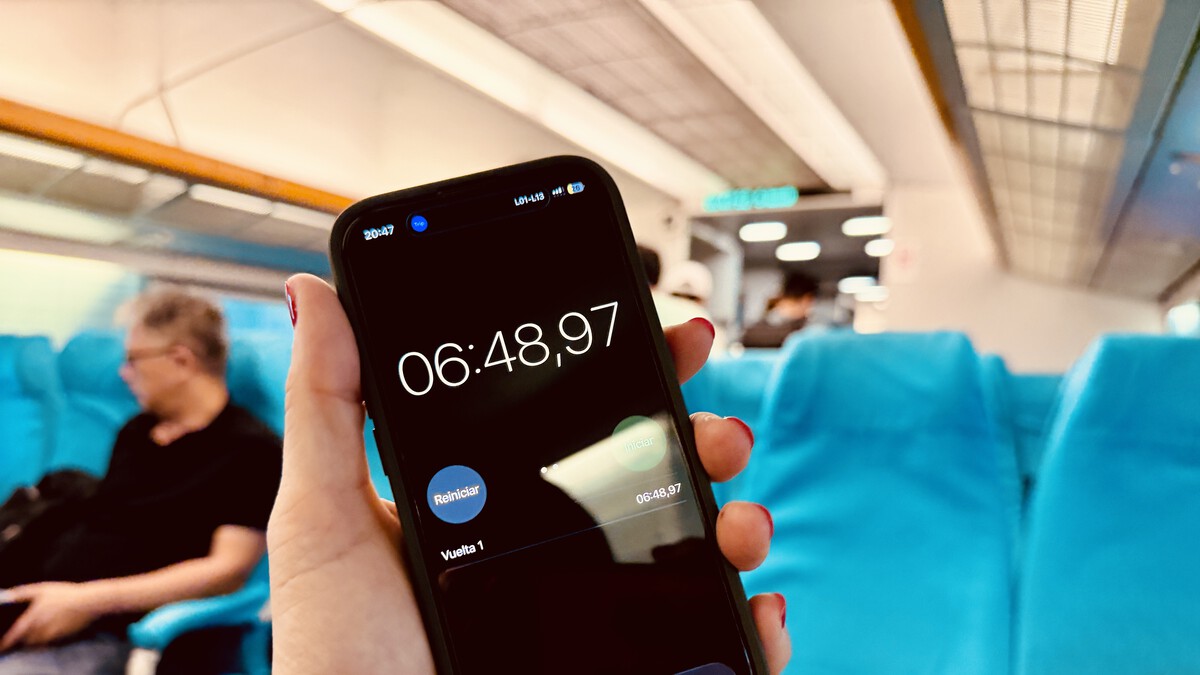
The train connects Longyang Road Station, a short metro ride from central Shanghai, to Pudong International Airport. The journey covers approximately 30 kilometers in just 6 minutes and 48 seconds, with trains departing every 15 to 20 minutes.
Riding the Maglev: A Firsthand Account
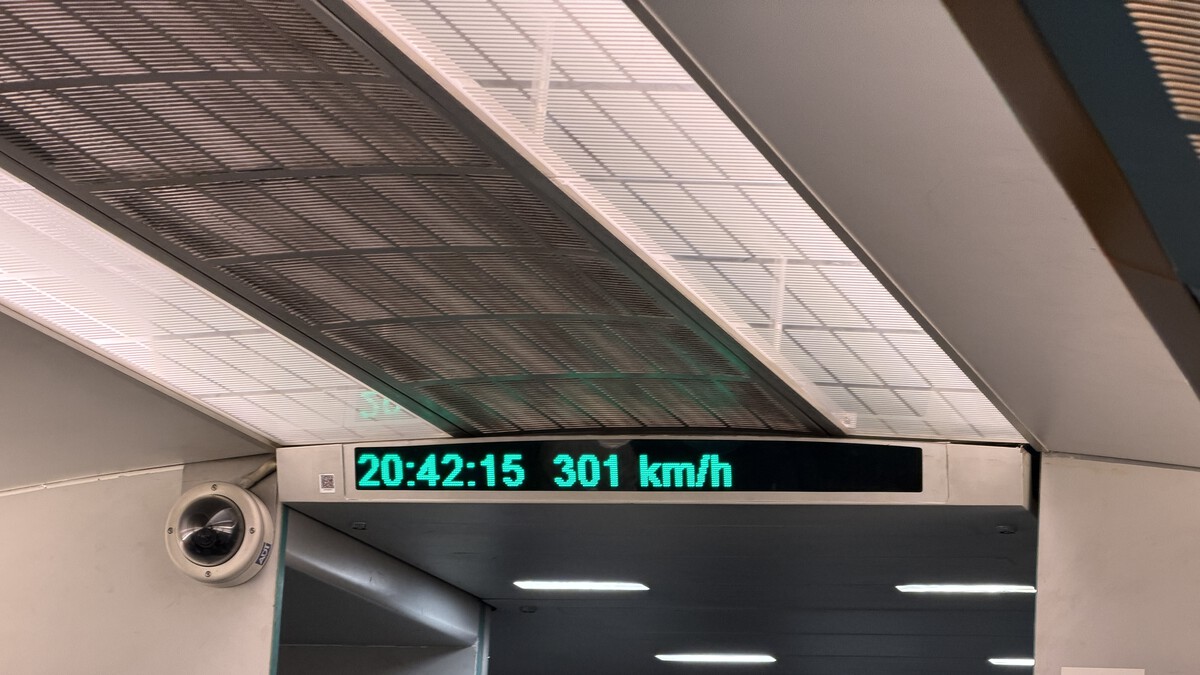
I boarded the train at 20:40 and by 20:47 I was already standing up, ready to disembark. The ride was smooth and quiet, with none of the swaying or noise typical of conventional trains. At 300 km/h, the scenery outside blurred into a streak, but inside, the experience was surprisingly calm.
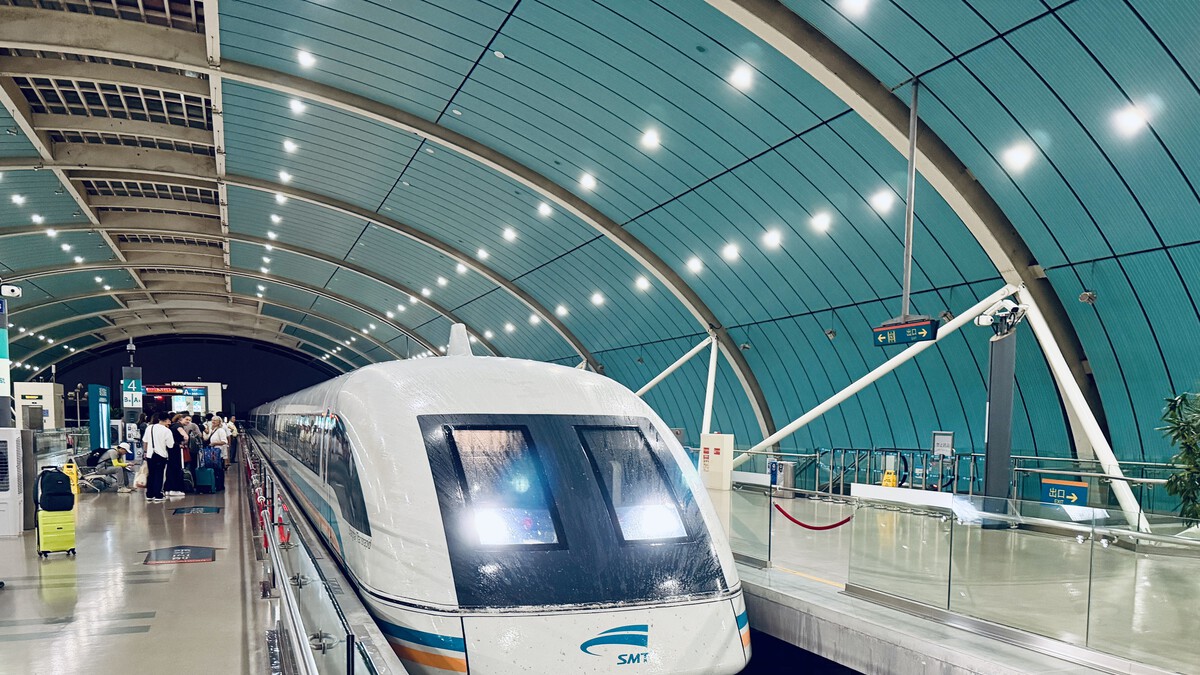
Tickets cost less than six euros, making it an affordable and efficient way to reach the airport. The connection at Longyang Road is straightforward, with clear signage and easy access from the metro network.
The Technology Behind the Maglev
Unlike traditional trains, maglev trains have no wheels. Instead, they use powerful electromagnets to levitate the train above the track, eliminating friction and allowing for extremely high speeds. The Shanghai Maglev initially had a maximum cruising speed of 431 km/h, though it now operates at 300 km/h for most of the day.
The technology was developed in Germany, and the Shanghai project was the first and only commercial implementation of the Transrapid system. Despite its success, no other high-speed maglev lines have been built for commercial service, making Shanghai's train a unique piece of transportation history. The longer history behind the story is traced in Shanghai Maglev: The World's Only Commercial High-Speed Maglev Ride.
Why the Maglev Matters for Travelers
For travelers, the maglev offers a reliable and rapid airport transfer, reducing the stress of navigating traffic or dealing with delayed public transport. It's also a tourist attraction in its own right, drawing enthusiasts from around the world. The background to this story is set out in China's unique marriage market in People's Square Park in Shanghai. A related thread runs through Typhoon Dolphin Evacuations: Record Rainfall Hits Shanghai. Earlier coverage in Car: latest articles shows how the argument developed.
The maglev represents a bold step in transportation innovation, demonstrating the potential of magnetic levitation for high-speed travel. While its adoption has been limited, it serves as a proof of concept for future projects. A closer look at the same subject appears in Spain's High-Speed Rail Reliability Crisis: What the AVE Fire Reveals. Anyone following the wider picture can start with San Francisco Metro Still Runs on Floppy Disks Until 2034. The same theme surfaces in Renfe's Plan to Remove the Burned AVE Train from Ricla Track, which takes a different angle.
Key Takeaways
- The Shanghai Maglev is the only commercial high-speed maglev train in the world.
- It connects downtown Shanghai to Pudong Airport in under 7 minutes at 300 km/h.
- Tickets are affordable (under €6) and trains run every 15-20 minutes.
- The technology is German (Transrapid) and was implemented in 2002.
- The ride is smooth, quiet, and a unique experience for travelers.
Maglev vs. Conventional Airport Transfers
| Mode | Time to Airport | Cost | Frequency |
|---|---|---|---|
| Shanghai Maglev | ~7 minutes | Under €6 | Every 15-20 min |
| Taxi | 30-60 minutes (traffic dependent) | €20-30 | On demand |
| Metro | 45-60 minutes | €1-2 | Every 5-10 min |
As the table shows, the maglev is significantly faster than both taxi and metro, and only slightly more expensive than the metro. For travelers with time constraints, it's the clear winner. Context on how this played out before sits in Heathrow Express: Is It Time to Kill Off the £26 Airport Train. A companion piece, Ben Affleck Uses AI in New Netflix Film 'Animals' But Won't Say How, approaches the same subject from another angle.
FAQ
How fast does the Shanghai Maglev go?
The Shanghai Maglev operates at a cruising speed of 300 km/h for most of the day, though it was designed for a maximum speed of 431 km/h. During peak hours, it may run at lower speeds.
How much does a ticket cost?
A one-way ticket costs around 50 RMB (less than €6), making it an affordable option for airport transfers.
Where does the Shanghai Maglev connect?
The maglev connects Longyang Road Station in Pudong to Pudong International Airport. Longyang Road is accessible via Shanghai Metro Lines 2, 7, and 16.
Is the Shanghai Maglev the only one in the world?
Yes, the Shanghai Maglev is the only commercial high-speed maglev train in operation. Other maglev lines, such as those in Japan and South Korea, are either low-speed or still in testing.
Riding the Shanghai Maglev is more than just a quick trip to the airport—it's a journey into the future of transportation. For anyone visiting Shanghai, it's an experience not to be missed.
Browse the Shop
 Acacia frida deluxe solid wood bed frame |
Bedroom bench |
Bed chest drawers |
Lingerie dresser |
Frame base |
Mirror with jewelry storage |
30 Bathroom Vanity |
Memory foam queen mattress |
Mattresses for back pain |
Nightstand set of 2 |
Grand Goldman Shop |
Civil Lawyer
Deutschland Trikot WM 2026










