

The most iconic scene in A Clockwork Orange involved real pain, not special effects, thanks to Stanley Kubrick's relentless pursuit of authenticity. In the 1970s, filmmakers pushed boundaries in ways that seem unthinkable today, and Kubrick was at the forefront.
This article explores how the scene was filmed, why Kubrick chose such an extreme approach, and what it reveals about his perfectionism.
Find Original Home Decor sparking conversation at Grand Goldman Shop.

The Context: 1970s Filmmaking and the Pursuit of Realism
During the 1970s, cinema experienced a period of radical experimentation. Directors sought raw authenticity, often at great risk to their actors. Stunts were performed without doubles, practical effects were pushed to extremes, and scenes were reshot dozens—sometimes over a hundred—times until the desired result was achieved.
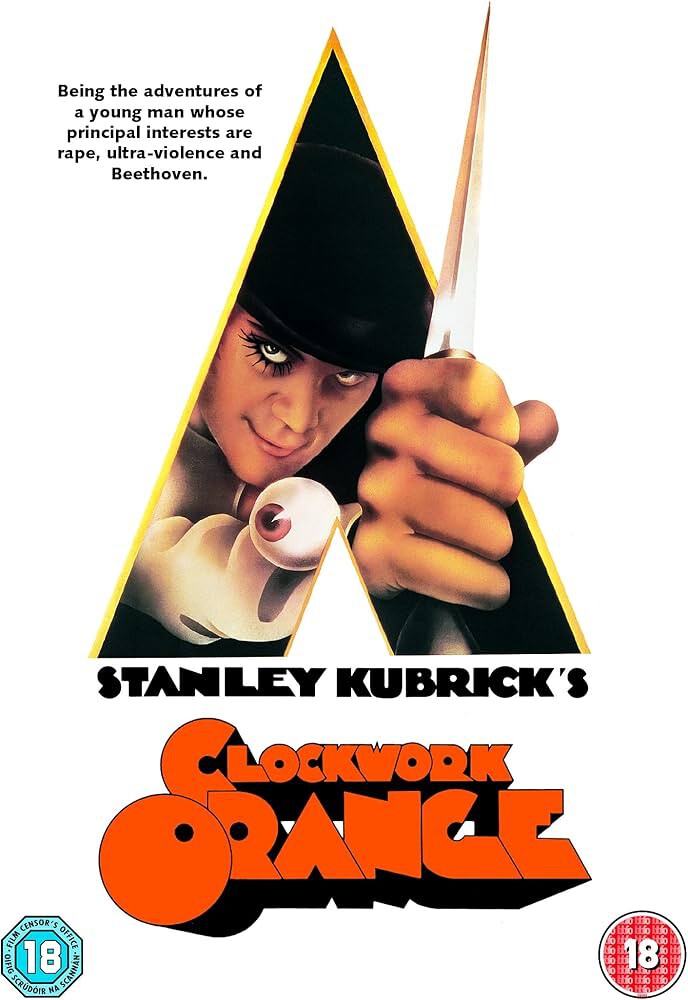
This obsession with realism produced unforgettable moments but also stories that defy belief. Kubrick, already notorious for his meticulous nature, was determined to capture something genuine on screen, even if it meant crossing dangerous lines.
The Scene: Real Pain on Screen
The scene in question is the infamous 'Singin' in the Rain' sequence, where Alex DeLarge (played by Malcolm McDowell) brutally attacks a couple. But the real pain came from another moment: the 'Ludovico Technique' demonstration, where Alex is strapped to a chair with his eyes forced open.
Kubrick wanted the discomfort to be palpable. Instead of using props or visual effects, he insisted on real methods. McDowell's eyes were clamped open with speculum-like devices, causing genuine physical strain and pain. The actor later revealed that he suffered corneal scratches and temporary vision impairment.
This wasn't an isolated incident. Throughout the production, Kubrick pushed McDowell to physical and emotional limits, including multiple takes of violent scenes that left the actor exhausted and bruised.
Why Kubrick Crossed the Line
Kubrick's perfectionism was legendary. He believed that authentic suffering would translate into a more powerful performance. By subjecting McDowell to real pain, he aimed to capture raw, unfiltered emotion that no acting could replicate.
However, this approach raises ethical questions. Was the artistic result worth the physical toll on the actor? The scene remains disturbing precisely because the pain was real, but it also stands as a cautionary tale about the lengths some directors will go for their vision. The background to this story is set out in Eyes Wide Shut Conspiracy: Did Kubrick's Final Film Get Cut. A related thread runs through Jack Nicholson's Shining Axe Hits Kubrick Auction Block.
Key Takeaways
- Stanley Kubrick prioritized realism over actor safety in A Clockwork Orange.
- Malcolm McDowell experienced real physical pain during the eye-clamping scene.
- The 1970s saw a trend of extreme filmmaking methods that would be unacceptable today.
- Kubrick's perfectionism often blurred the line between art and exploitation.
- The scene's impact is heightened by the knowledge of its authenticity.
Comparison of Filmmaking Approaches
| Aspect | 1970s Realism | Modern Standards |
|---|---|---|
| Use of pain | Often real, for authenticity | Simulated, with safeguards |
| Actor safety | Minimal oversight | Strict regulations and unions |
| Special effects | Practical, sometimes dangerous | CGI and safe practical effects |
| Director's control | Absolute, often unchecked | Collaborative, with ethical guidelines |
The Legacy and Ethical Debate
The scene's authenticity contributes to its lasting impact, but it also sparks debate about artistic ethics. Kubrick's methods, while effective, highlight the potential for exploitation in the name of art. Earlier coverage in Minimalist Phone Photography: Capturing a Worker's Orange Toilet Scene shows how the argument developed. A closer look at the same subject appears in Celebrity: latest articles.
Today, such practices would likely violate safety protocols and union rules. The story serves as a reminder of how far filmmakers once went—and how much has changed. Anyone following the wider picture can start with Stephen King's Haunted Hotel Night Now a $400 Million Deal. The same theme surfaces in James Bond Films Ranked: Best and Worst by Critics and Box Office, which takes a different angle.
FAQ
What exactly happened in the iconic scene?
Malcolm McDowell's eyes were clamped open with real medical devices, causing physical pain and corneal damage. Kubrick insisted on this method to achieve genuine discomfort on screen.
Did Malcolm McDowell agree to this?
While McDowell consented to the filming, he later expressed that he didn't fully anticipate the extent of the discomfort. He has spoken about the lasting impact of the experience.
Why did Kubrick choose such an extreme approach?
Kubrick was a perfectionist who believed that real pain would yield a more authentic performance. He often pushed actors to their limits to capture raw emotion.
Would this be allowed in filmmaking today?
No, modern safety regulations and union rules would prohibit such practices. Actors' well-being is now prioritized, and simulated effects are used instead.
Browse the Shop
 Acacia frida deluxe solid wood bed frame |
Bedroom bench |
Bed chest drawers |
Lingerie dresser |
Frame base |
Mirror with jewelry storage |
30 Bathroom Vanity |
Memory foam queen mattress |
Mattresses for back pain |
Nightstand set of 2 |
Grand Goldman Shop |
Civil Lawyer
Deutschland Trikot WM 2026







