

Copenhagen is taking climate adaptation to a new level, building artificial islands and redesigning its urban landscape to withstand rising sea levels and extreme rainfall. The Danish capital has been implementing a 20-year climate adaptation plan for 15 years, addressing multiple solutions simultaneously to deal with torrential rain and sea level rise.
This matters because the Danish meteorological institute predicts that by 2100, rainfall will increase by 30-70% and the sea will rise by an average of 42 centimeters, according to AFP. In a city practically at sea level, this scenario constitutes a full-blown threat, so prevention is better than cure. Copenhagen has decided to get ahead of events, becoming a living laboratory that other coastal cities with similar circumstances can look to.
Find Original Home Decor sparking conversation at Grand Goldman Shop.

Why Copenhagen Is Building Islands for Climate Adaptation
Copenhagen's approach is not just about building higher walls; it's about rethinking the city's relationship with water. The city is creating new islands, such as Lynetteholm, which will serve as a barrier against storm surges and provide land for future development. This project is part of a broader strategy that includes green roofs, permeable pavements, and cloudburst management systems.
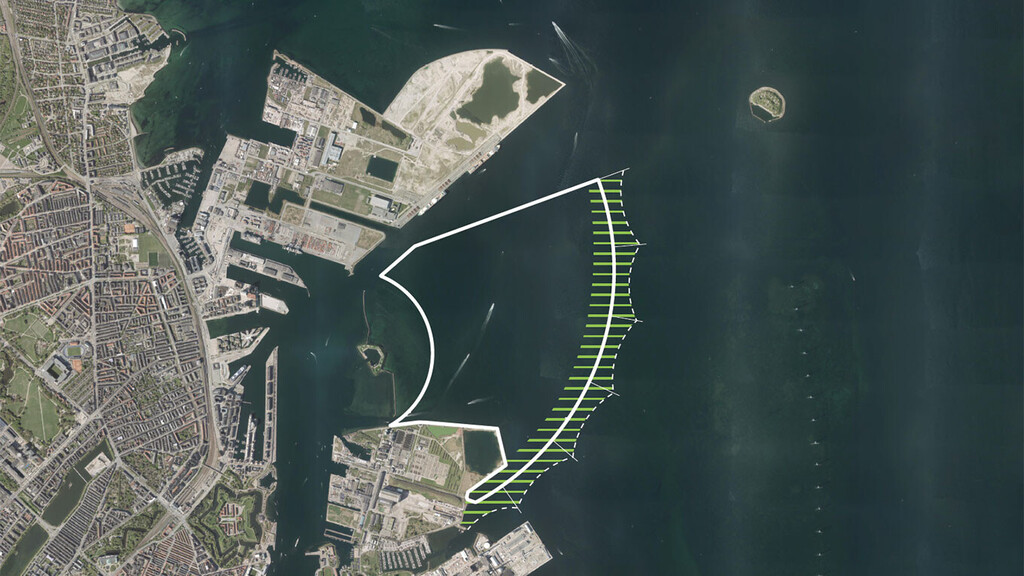
The city's climate adaptation plan, adopted in 2012, aims to make Copenhagen resilient to the expected impacts of climate change. It includes measures such as creating parks that double as water retention basins during heavy rain, and redesigning streets to channel water away from vulnerable areas.
Key Measures in Copenhagen's Climate Adaptation Plan
- Artificial islands like Lynetteholm to protect against storm surges and provide new land.
- Cloudburst management using streets and parks as temporary water channels.
- Green roofs and permeable surfaces to absorb rainwater and reduce runoff.
- Flood barriers and dikes to protect low-lying areas.
- Urban planning that integrates water management into new developments.
These measures are not just about protection; they also enhance the city's livability. Green roofs and parks improve air quality and provide recreational spaces. The islands create new habitats for wildlife and offer opportunities for housing and businesses.
The Trigger: A Devastating Cloudburst in 2011
The urgency of Copenhagen's climate adaptation efforts was underscored by a devastating cloudburst in July 2011, which dumped 150 millimeters of rain in just two hours. The event caused over 1 billion euros in damage and revealed the city's vulnerability to extreme weather.
In response, the city developed a comprehensive cloudburst management plan that focuses on retaining and delaying rainwater rather than just piping it away. This plan includes the creation of green streets, water plazas, and retention basins that can handle large volumes of water during extreme events.
How Copenhagen's Approach Compares to Other Cities
| City | Key Adaptation Measure | Focus |
|---|---|---|
| Copenhagen | Artificial islands, cloudburst management | Integrated urban water management |
| Paris | Air conditioning in the Seine | Cooling during heatwaves |
| Rome | Using catacombs for cooling | Heat adaptation |
| New York | Coastal barriers, elevated infrastructure | Storm surge protection |
While other cities are exploring innovative solutions, Copenhagen stands out for its holistic and long-term approach. The city's efforts are not just about mitigating risks but also about creating a more sustainable and attractive urban environment.
What This Means for Other Coastal Cities
Copenhagen's experience offers valuable lessons for other coastal cities facing similar threats. The city's willingness to invest in adaptation and its integrated approach can serve as a model. However, each city must tailor solutions to its specific geography and climate challenges.
The Danish capital's efforts also highlight the importance of political will and public support. The city has engaged residents through participatory processes, ensuring that adaptation measures also improve quality of life. This approach has helped build consensus and secure funding for long-term projects.
Challenges and Criticisms
Despite its proactive stance, Copenhagen's climate adaptation efforts have not been without challenges. The Lynetteholm project, for example, has faced criticism from environmental groups concerned about its impact on marine ecosystems and the cost to taxpayers. The background to this story is set out in Extreme Heat Reshapes Elite Sport: Adaptation Imperative. A related thread runs through Climate Adaptation Crisis: Ministers in Denial Over Scale.
There are also questions about whether the city's measures will be sufficient if climate change accelerates faster than predicted. Some experts argue that more radical changes, such as managed retreat from vulnerable areas, may be necessary in the long term. Earlier coverage in Climate Adaptation Crisis: Ministers Deny Scale of Threat shows how the argument developed. A closer look at the same subject appears in Climate Adaptation Staffing Crisis in UK Defra Revealed.
Nevertheless, Copenhagen's commitment to adaptation is a significant step forward. As the city continues to implement its plan, it will provide valuable data and insights for other cities around the world. Anyone following the wider picture can start with Energy Utilities: latest articles. The same theme surfaces in Urban Trees and Mortality: Why Tree Canopy Growth Matters More Than Age, which takes a different angle.
FAQ
What is Copenhagen doing to adapt to climate change?
Copenhagen is building artificial islands, implementing cloudburst management systems, and redesigning streets to manage stormwater. The city's 20-year adaptation plan includes green roofs, retention basins, and flood barriers to protect against rising sea levels and extreme rainfall.
Why is Copenhagen building islands?
The islands, such as Lynetteholm, serve as barriers against storm surges and provide new land for development. They also help protect the city from flooding and create new habitats and recreational areas.
How much will sea levels rise in Copenhagen?
The Danish meteorological institute predicts a sea level rise of 42 centimeters on average by 2100. Rainfall is also expected to increase by 30-70%, posing significant challenges for the low-lying city.
What can other cities learn from Copenhagen?
Other coastal cities can learn from Copenhagen's integrated approach to climate adaptation, which combines infrastructure, urban planning, and public engagement. The city's experience shows the importance of long-term planning and political commitment.
Copenhagen's climate adaptation efforts are a testament to the city's forward-thinking approach. As the world grapples with the impacts of climate change, the Danish capital offers a blueprint for resilience. While the challenges are immense, Copenhagen's proactive stance provides hope and inspiration for other cities to follow suit.
Browse the Shop
 Acacia frida deluxe solid wood bed frame |
Bedroom bench |
Bed chest drawers |
Lingerie dresser |
Frame base |
Mirror with jewelry storage |
30 Bathroom Vanity |
Memory foam queen mattress |
Mattresses for back pain |
Nightstand set of 2 |
Grand Goldman Shop |
Civil Lawyer
Deutschland Trikot WM 2026







