

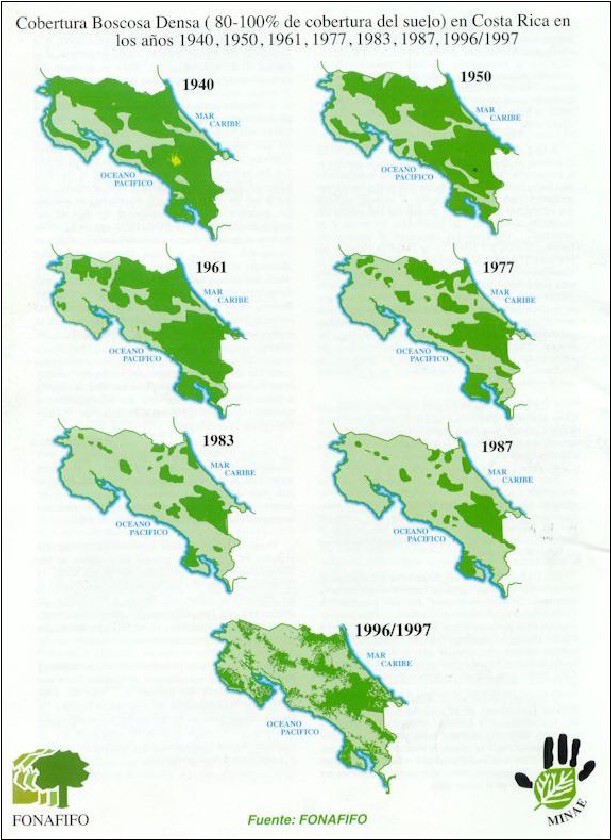
Costa Rica has become the first tropical country to reverse deforestation, a remarkable achievement given that it lost three-quarters of its forest cover in just 50 years. In 1940, forests covered 75% of the country; by 1987, that figure had plummeted to just 21%. Today, more than half of Costa Rica's territory is forest again, a testament to sustained policy efforts and innovative conservation programs.
The Devastating Loss of Costa Rica's Forests
From the 1940s to the 1990s, Costa Rica experienced rampant deforestation driven primarily by the expansion of cattle ranching and agriculture. The FAO points to the international beef market as a key culprit, along with crops like bananas, coffee, and cocoa. This period saw the near-collapse of the country's rich biodiversity and raised concerns about desertification in the era of climate change. Context on how this played out before sits in Costa Rica Reverses Deforestation: A Tropical Success Story.
Find Original, High-end Home Decor that spark conversation at Grand Goldman Shop.
The Turning Point: Forest Law No. 7575
The tide began to turn with the passage of Forest Law No. 7575 in 1996. This landmark legislation prohibited logging without state authorization and laid the groundwork for the Payment for Ecosystem Services (PES) program. The PES program essentially pays landowners for conserving and reforesting their land, recognizing the vital services forests provide. The background to this story is set out in Best Beach Hotels in Guanacaste, Costa Rica. A related thread runs through What vaccinations do I need to travel to Costa Rica?.
How the Payment for Ecosystem Services Program Works
Administered by FONAFIFO, the PES program has funneled $524 million into conservation over 20 years, saving more than one million hectares of forest. Landowners receive direct payments for maintaining forest cover, which helps offset the opportunity cost of not converting land to agriculture. This approach has proven effective in incentivizing reforestation and forest protection. Earlier coverage in Costa Rican Diplomat Emerges as Top UN Secretary General shows how the argument developed. A closer look at the same subject appears in Energy Utilities: latest articles.
Key Takeaways from Costa Rica's Success
- Strong legal framework: Forest Law No. 7575 banned unauthorized logging and provided the legal basis for conservation.
- Economic incentives: The PES program pays landowners for forest conservation, making standing forests economically viable.
- Sustained funding: Over $524 million invested in 20 years demonstrates long-term commitment.
- International market influence: Addressing demand for beef and agricultural products was crucial to curbing deforestation drivers.
- Biodiversity protection: Restoring forest cover safeguards countless species and ecosystem services.
Comparing Forest Cover Over Time
| Year | Forest Cover (% of land) | Key Event |
|---|---|---|
| 1940 | 75% | Pre-deforestation baseline |
| 1987 | 21% | Lowest point due to agricultural expansion |
| 1996 | ~40% | Forest Law No. 7575 enacted |
| Today | >50% | Successful reversal through PES and enforcement |
Why This Matters for the World
Costa Rica's achievement is a beacon of hope for tropical nations struggling with deforestation. It shows that with the right mix of regulation, economic incentives, and political will, forest loss can be reversed. As climate change accelerates, such success stories are crucial for global biodiversity and carbon sequestration efforts. Anyone following the wider picture can start with Hoy No Circula Saturday: Which Cars Can Drive on October 24. The same theme surfaces in The Improbable Origin of Spain's Menú del Día: A Franco-Era Tourism Strategy, which takes a different angle.
FAQ
What was the main cause of deforestation in Costa Rica?
The primary driver was the expansion of cattle ranching and agriculture, particularly for beef production and crops like bananas, coffee, and cocoa. International demand for these products fueled the clearing of forests from the 1940s to the 1990s.
How did Costa Rica reverse deforestation?
Costa Rica implemented Forest Law No. 7575 in 1996, which banned logging without authorization and established the Payment for Ecosystem Services program. This program pays landowners to conserve and reforest their land, providing economic incentives for forest protection.
What is the Payment for Ecosystem Services program?
The PES program, administered by FONAFIFO, compensates landowners for maintaining forest cover and the environmental services it provides, such as carbon sequestration and biodiversity protection. It has invested $524 million and saved over one million hectares of forest.
Is Costa Rica the first tropical country to reverse deforestation?
Yes, Costa Rica is recognized as the first tropical country to successfully reverse deforestation, increasing its forest cover from a low of 21% in 1987 to over 50% today. This achievement is attributed to strong policies and sustained conservation efforts.
Browse the Shop
 Acacia frida deluxe solid wood bed frame |
Bedroom bench |
Bed chest drawers |
Lingerie dresser |
Frame base |
Mirror with jewelry storage |
30 Bathroom Vanity |
Memory foam queen mattress |
Mattresses for back pain |
Nightstand set of 2 |
Grand Goldman Shop |
Civil Lawyer
Deutschland Trikot WM 2026







