

Anker, the company synonymous with charging accessories, has announced a major rebrand that unifies its five sub-brands under the single Anker name. The move, revealed at IFA 2026, consolidates Anker, Eufy, Soundcore, SOLIX, and EufyMake into one overarching brand identity.
For nearly 15 years, Anker has been the go-to name for chargers and power banks. But the company's ambitions have long outgrown those humble beginnings. By bringing its diverse product lines under one roof, Anker aims to simplify its brand architecture and present a cohesive face to consumers.
Find Original Home Decor sparking conversation at Grand Goldman Shop.

Why Anker Decided to Unify Its Brands
Anker's journey began in 2011 when founder Steven Yang started out making replacement laptop batteries. The company soon pivoted to mobile phone chargers and external batteries, quickly building a reputation for reliability and innovation. As Anker expanded into new categories, it launched separate brands for each: Eufy for smart home products in 2016, Soundcore for audio in 2018, and later SOLIX for solar and energy storage, and EufyMake for creative tools.
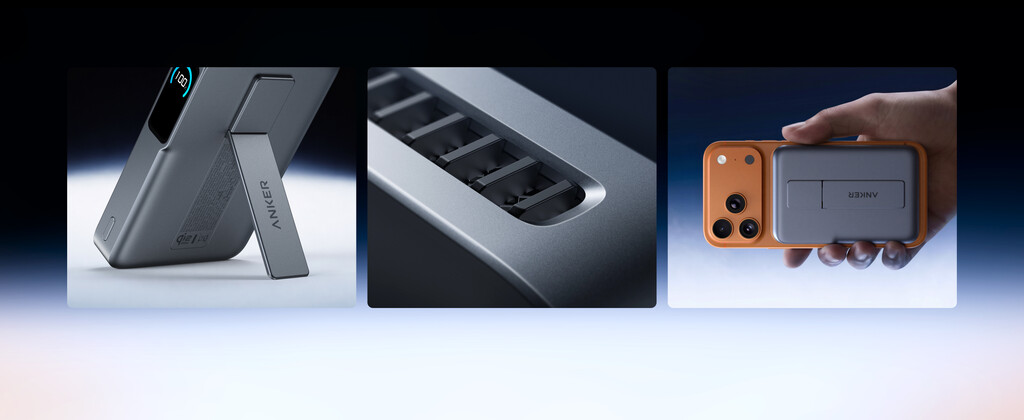
While this multi-brand strategy allowed Anker to target different markets, it also created fragmentation. Consumers might not realize that their Eufy robot vacuum and Soundcore headphones come from the same company. Unifying under the Anker name leverages the parent brand's strong recognition and trust, potentially boosting cross-category loyalty.
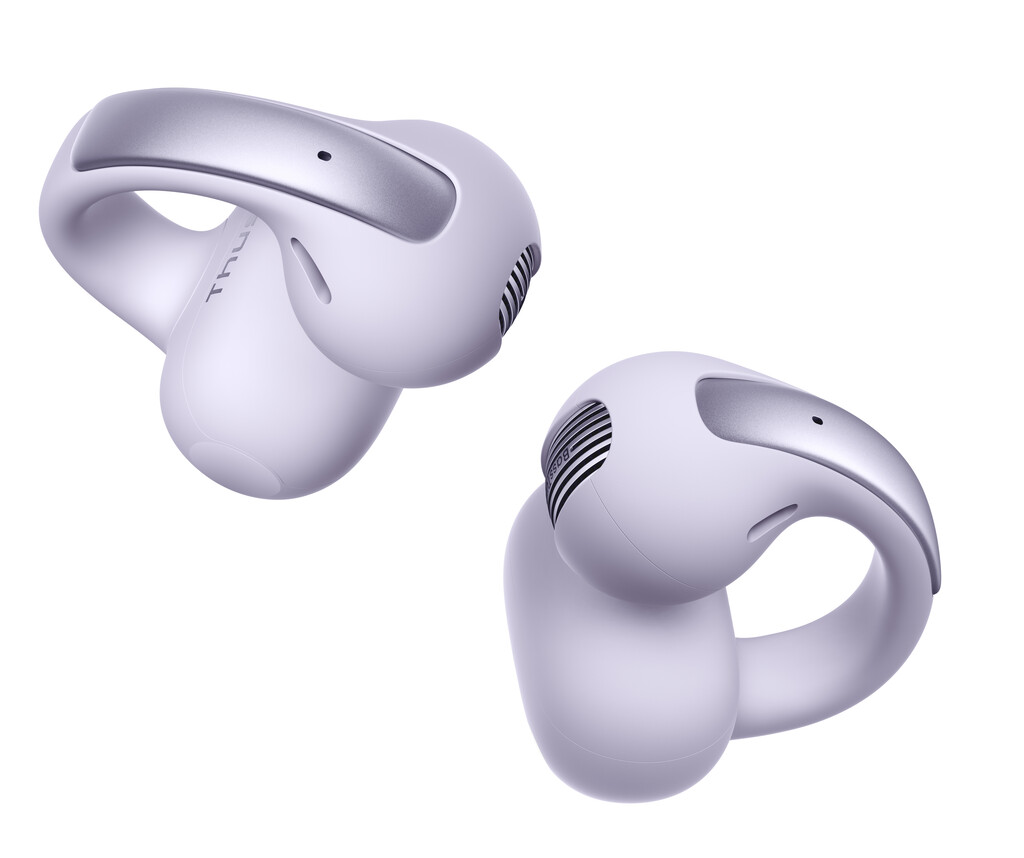
What This Means for Each Product Line
The rebrand doesn't mean the end of Eufy, Soundcore, SOLIX, or EufyMake as product names. Instead, they will likely become sub-labels under the Anker master brand, similar to how Google's Nest and Fitbit operate. This approach maintains product identity while benefiting from Anker's overall reputation.
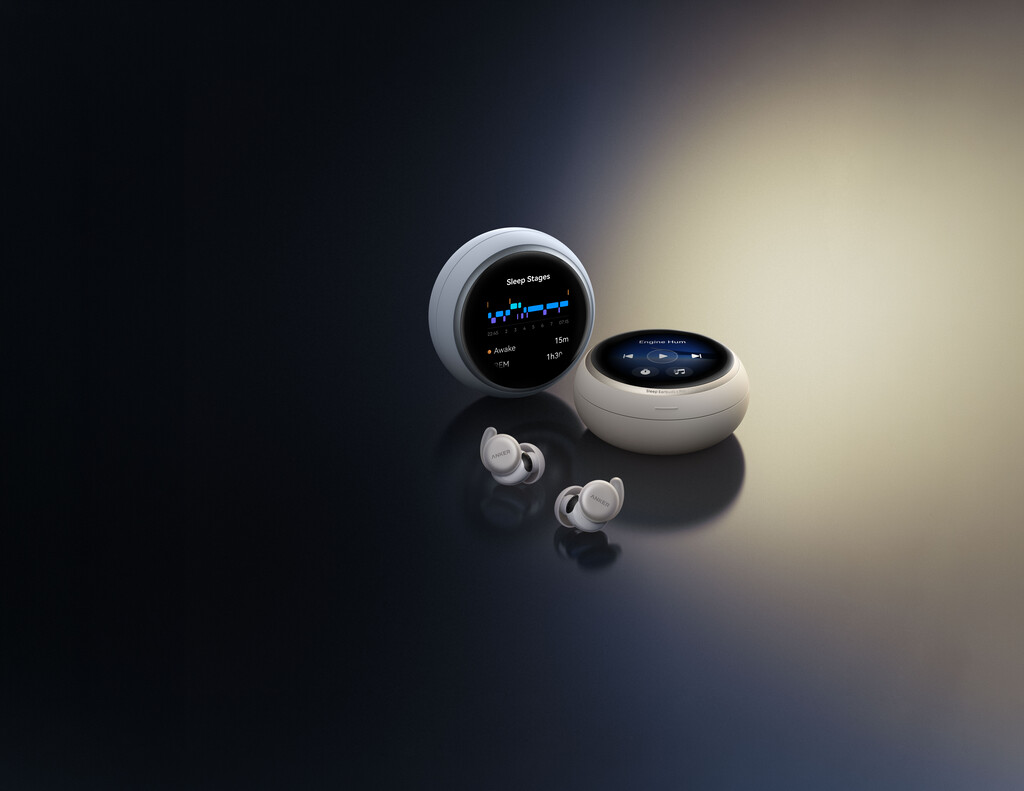
For consumers, the change should be seamless. Existing products will continue to be supported, and new releases will carry the Anker branding alongside their specific line names. The move could also lead to more integrated ecosystems, where Anker charging solutions, Eufy smart home devices, and Soundcore audio products work together more intuitively.
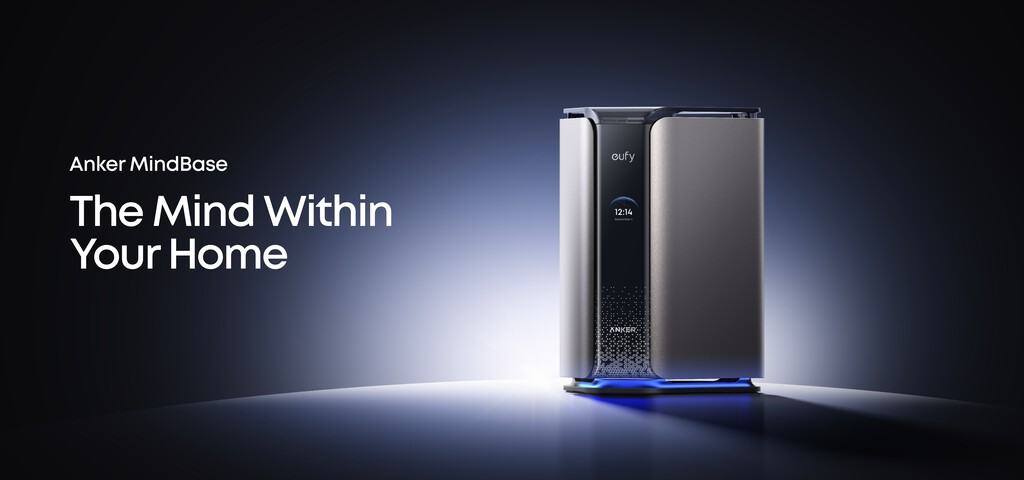
Key Takeaways from the Anker Rebrand
- Unified identity: Anker, Eufy, Soundcore, SOLIX, and EufyMake will all fall under the Anker master brand.
- Leveraging trust: Anker's strong reputation in charging can boost credibility for its other product lines.
- Streamlined marketing: A single brand simplifies messaging and reduces consumer confusion.
- Ecosystem play: The rebrand could pave the way for better integration across Anker's diverse product portfolio.
- No immediate product changes: Existing products and their names remain, with Anker branding added.
How Anker's Brands Compare
To understand the scope of the rebrand, it helps to see what each brand brings to the table. The table below summarizes the core categories and flagship products of Anker's five brands.
| Brand | Category | Example Products | Founded |
|---|---|---|---|
| Anker | Charging & Power | Power banks, wall chargers, cables | 2011 |
| Eufy | Smart Home | Robot vacuums, security cameras | 2016 |
| Soundcore | Audio | Headphones, Bluetooth speakers | 2018 |
| SOLIX | Solar & Energy Storage | Portable power stations, solar panels | Not specified |
| EufyMake | Creative Tools | 3D printers, craft devices | Not specified |
The Charging Legacy That Started It All
It's fitting that Anker's origin in charging accessories now lends its name to everything from robot vacuums to headphones. Chargers are often overlooked—we only notice them when they're missing. Yet they are the unsung heroes that keep our devices alive. By embracing its identity as a maker of essential, behind-the-scenes technology, Anker is making a bold statement: even the most mundane products can be the foundation of a tech empire. Context on how this played out before sits in Anker Unifies Five Brands Under One Name in Major Rebrand.
This rebrand also reflects a broader trend in the consumer electronics industry, where companies seek to build ecosystems that lock in customers. Apple, Samsung, and Google have all followed similar paths, creating families of products that work seamlessly together. Anker's move positions it as a more direct competitor in the smart home and audio spaces, leveraging its charging heritage as a trust signal. The background to this story is set out in Anker Unifies Brands Under One Name to Dominate Spain. A related thread runs through Technology: latest articles.
What to Watch Next
As Anker integrates its brands, consumers should look for new product lines that combine charging, smart home, and audio features. For instance, an Eufy security camera might come with Anker's fast-charging technology, or Soundcore earbuds could be optimized for use with Anker power banks. The company may also introduce unified apps or services that manage all Anker-branded devices from a single platform. Earlier coverage in ASUS ProArt P14 and P16: NVIDIA RTX Spark for Local AI shows how the argument developed. A closer look at the same subject appears in Dyson Enters Robot Vacuum Market With Three New Nurovi Models.
Additionally, the rebrand could lead to changes in packaging, marketing, and retail presence. Anker's strong online presence and retail partnerships will likely be used to cross-promote its expanded portfolio. Investors and industry watchers will be keen to see if this consolidation boosts Anker's market share in categories beyond charging. Anyone following the wider picture can start with AI Startups Turn Idle GPUs Into Chatbots as Data Centers Lag. The same theme surfaces in Tech Firms Should Pay Creators for Their Work, Say Advocates, which takes a different angle.
FAQ
What brands is Anker consolidating?
Anker is consolidating five brands: Anker (charging), Eufy (smart home), Soundcore (audio), SOLIX (solar and energy storage), and EufyMake (creative tools). All will now fall under the Anker master brand.
Will Eufy and Soundcore products still be called that?
Yes, the product names will remain, but they will be branded under the Anker umbrella. This means you'll likely see "Anker Eufy" or "Anker Soundcore" on packaging and marketing materials.
Why did Anker decide to unify its brands?
The move aims to streamline brand architecture, reduce consumer confusion, and leverage Anker's strong reputation in charging to boost trust in its other product categories. It also facilitates cross-promotion and ecosystem integration.
When will the rebrand take effect?
The announcement was made at IFA 2026, but a specific timeline for the full transition has not been disclosed. Consumers can expect to see gradual changes in branding over the coming months.
Browse the Shop
 Acacia frida deluxe solid wood bed frame |
Bedroom bench |
Bed chest drawers |
Lingerie dresser |
Frame base |
Mirror with jewelry storage |
30 Bathroom Vanity |
Memory foam queen mattress |
Mattresses for back pain |
Nightstand set of 2 |
Grand Goldman Shop |
Civil Lawyer
Deutschland Trikot WM 2026







