

Chinese AI chips are facing a 50% price surge due to a critical shortage of high-bandwidth memory (HBM), threatening the country's ambitions to become a global AI leader. The scarcity of this essential component is driving up costs across the board, despite massive government subsidies.
China has been investing heavily in companies like Huawei, SMIC, and Cambricon to challenge Nvidia's dominance in AI processors. However, the lack of HBM memory—a key ingredient that makes AI chips truly effective—is proving to be a bottleneck that public funding cannot easily solve.
Find Original, High-end Home Decor that spark conversation at Grand Goldman Shop.
Why HBM Memory Is Critical for AI Chips
HBM, or high-bandwidth memory, is a specialized type of memory that enables AI processors to handle data at extremely high speeds with minimal latency. It is essential for both training and running AI models, making it a non-negotiable component for any serious AI chip.
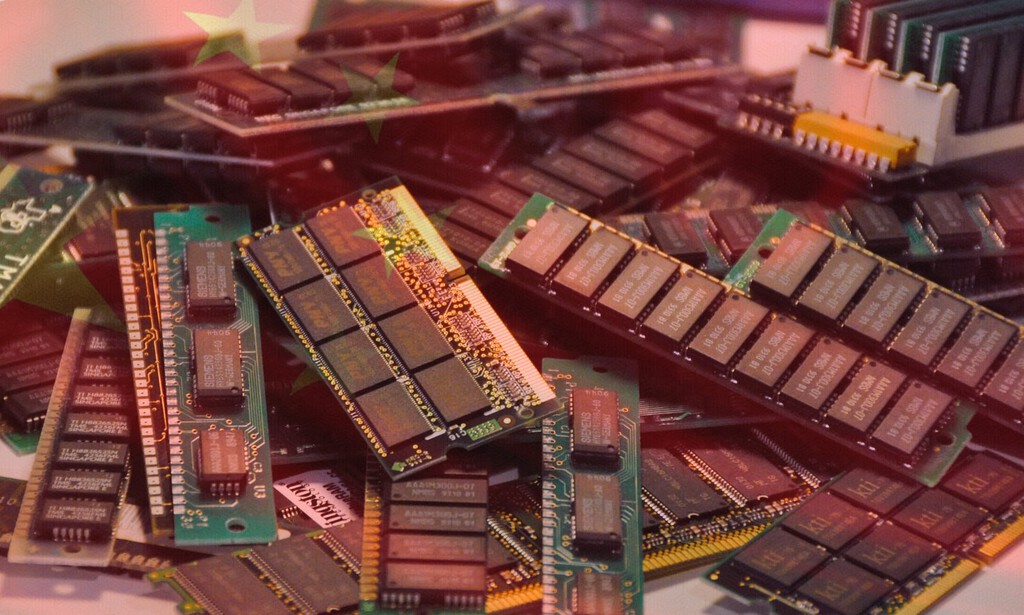
Without HBM, even the most advanced AI chip cannot perform to its full potential. The memory allows processors to access vast amounts of data quickly, which is crucial for tasks like machine learning and neural network processing.
The Triopoly Controlling HBM Supply
The global HBM market is dominated by just three companies: Samsung, SK Hynix, and Micron. These firms are struggling to meet the surging demand from hyperscalers and AI chip manufacturers worldwide.
Their limited production capacity means that Chinese chipmakers are left competing for a scarce resource, driving prices upward. This supply crunch is exacerbated by the ongoing global semiconductor shortage, which has already disrupted multiple industries.
- HBM shortage drives 50% price increase for Chinese AI chips.
- Three companies control global HBM supply: Samsung, SK Hynix, and Micron.
- Government subsidies cannot overcome physical supply limits.
- Chinese AI chip ambitions at risk as costs escalate.
- Hyperscalers and AI firms worldwide compete for HBM, worsening scarcity.
Impact on China's AI Industry
The price hike is a significant blow to China's AI industry, which has been striving for self-sufficiency in semiconductor production. Higher costs could slow down the deployment of AI infrastructure and hinder innovation.
Chinese companies may be forced to pass on the increased costs to customers or absorb them, potentially reducing their competitiveness against international rivals. This comes at a time when China is trying to reduce its reliance on foreign technology.
Who Is Affected?
The entire AI ecosystem in China is feeling the pinch. From chip designers like Huawei and Cambricon to cloud service providers and AI startups, all are impacted by the rising cost of HBM memory.
Even with government support, these companies face a tough road ahead as they navigate the shortage. The situation is particularly dire for smaller players who lack the resources to secure limited HBM supplies.
Comparison of HBM Suppliers and Their Challenges
| Supplier | Market Share | Challenges |
|---|---|---|
| Samsung | ~40% | Ramping up production amid technical hurdles |
| SK Hynix | ~35% | Capacity constraints and high demand |
| Micron | ~25% | Balancing supply for various customers |
These companies are investing in expanding their HBM production, but new facilities take time to come online. In the meantime, the shortage is expected to persist, keeping prices elevated. Context on how this played out before sits in Chinese AI Chips Face 50% Price Surge as HBM Memory Shortage Bites.
What to Watch Next
All eyes are on whether China can develop domestic HBM production capabilities. If successful, it could alleviate the shortage and reduce costs. However, developing HBM technology is complex and capital-intensive. The background to this story is set out in Technology: latest articles. A related thread runs through GPU Prices Skyrocket: RTX 50 and RX 9000 in 2026.
Another factor to watch is how global demand for AI chips evolves. If demand continues to outpace supply, prices may remain high even as new HBM capacity comes online. Earlier coverage in Stratospheric Mobile Antenna: Rural Coverage Solution shows how the argument developed. A closer look at the same subject appears in Bill Gates Email Hoax: How a Student Prank Promised $1,000.
For now, the HBM shortage serves as a reminder of the vulnerabilities in the global semiconductor supply chain. It also highlights the challenges China faces in its quest for AI supremacy. Anyone following the wider picture can start with Wurtzite Memory Breakthrough: China's Ferroelectric Chip Edge. The same theme surfaces in Germany's Auto Industry: Why Manufacturers Now Avoid, which takes a different angle.
FAQ
What is HBM memory and why is it important for AI chips?
HBM (High Bandwidth Memory) is a type of memory that offers extremely high data transfer rates, which is crucial for AI processors to handle large datasets quickly. Without it, AI chips cannot achieve the performance needed for training and running complex models.
Why are Chinese AI chips becoming more expensive?
The global shortage of HBM memory, controlled by three major suppliers, has led to increased prices. Chinese chipmakers are competing for limited supplies, and the costs are being passed on, resulting in a 50% price hike.
Can government subsidies solve the HBM shortage?
No, subsidies cannot create physical memory chips. The shortage is due to limited production capacity, and while subsidies can support R&D and infrastructure, they cannot immediately increase HBM supply.
Which companies are the main HBM suppliers?
Samsung, SK Hynix, and Micron dominate the HBM market, collectively holding nearly 100% of the global supply. Their production capacities are stretched thin, leading to the current shortage.
Browse the Shop
 Acacia frida deluxe solid wood bed frame |
Bedroom bench |
Bed chest drawers |
Lingerie dresser |
Frame base |
Mirror with jewelry storage |
30 Bathroom Vanity |
Memory foam queen mattress |
Mattresses for back pain |
Nightstand set of 2 |
Grand Goldman Shop |
Civil Lawyer
Deutschland Trikot WM 2026







