

GPU prices in 2026 have surged dramatically, with NVIDIA RTX 50 and AMD RX 9000 series cards now selling well above their official launch prices. A new price-tracking tool called DropReference has mapped this increase in real time, revealing just how much extra gamers are paying.
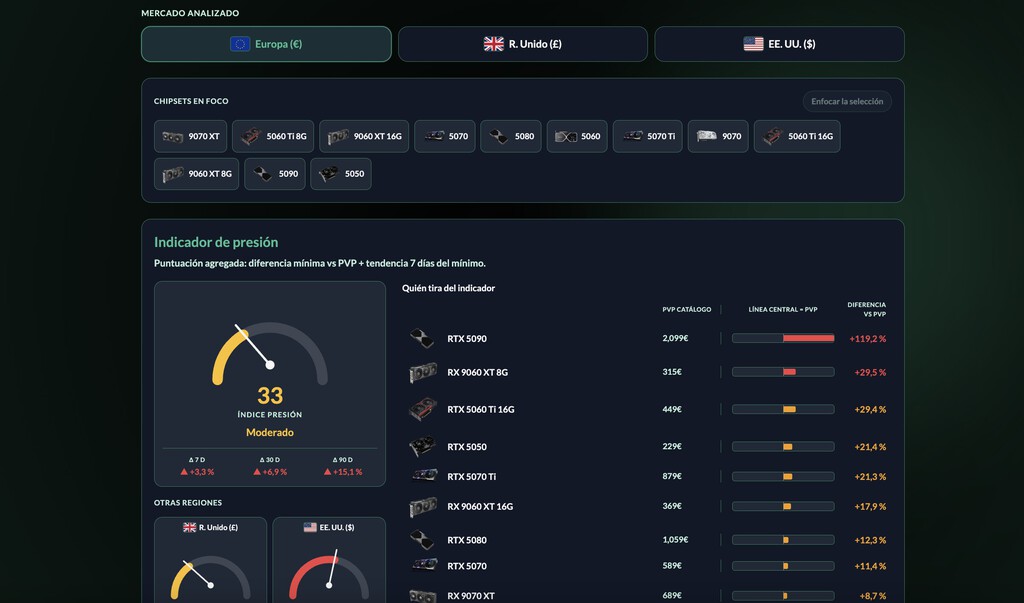
The tool monitors 12 models across Europe, the UK, and the US, comparing current prices to launch MSRPs and calculating a 0-100 index that measures the premium buyers are paying. It's essentially a thermometer for the GPU price crisis.
Find Original, High-end Home Decor that spark conversation at Grand Goldman Shop.
What DropReference Reveals About GPU Prices
DropReference is a price comparison site with a real-time dashboard that tracks the prices of 12 graphics cards from NVIDIA's RTX 50 series and AMD's RX 9000 series. It compares current retail prices against official launch prices and computes an index from 0 to 100, where higher values indicate greater overpayment.
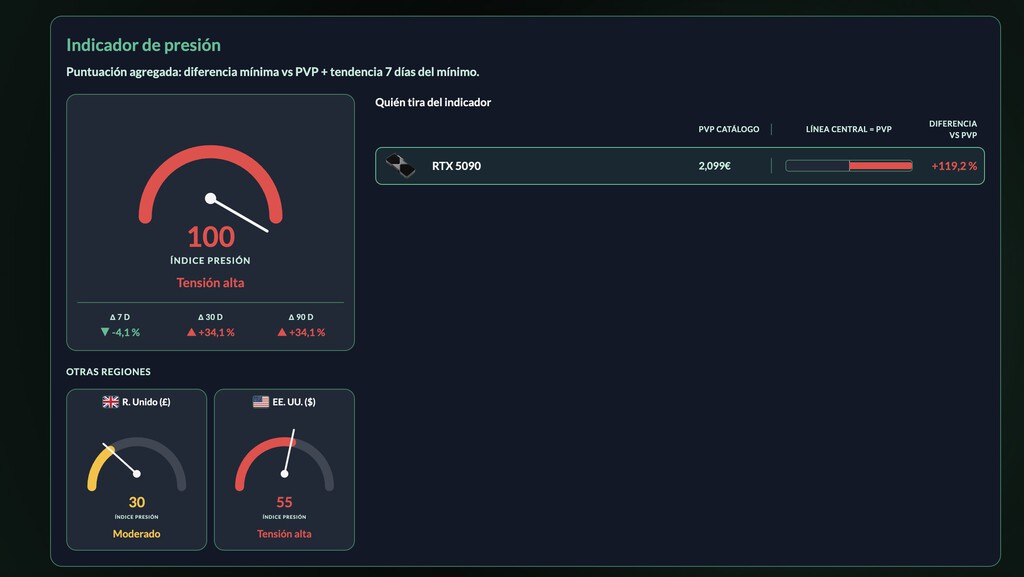
The index also shows whether price pressure is rising or falling, giving buyers a sense of market direction. However, it's important to note that DropReference is not an independent study; it offers advice and allows purchases through its site, earning a commission. So while the data is useful, it comes with a commercial interest.
Why GPU Prices Have Skyrocketed in 2026
Several factors have contributed to the dramatic rise in GPU prices this year. Supply chain disruptions, increased demand from AI and data centers, and speculative buying have all played a role.
One Goldman Media colleague shared his experience: he ordered components for a gaming PC early in the year. Some parts arrived quickly, but his GPU was delayed for months. He lived in fear that his order would be canceled because the card he bought for a certain price could now be sold for much more. He joked about the profit potential in speculating on graphics cards.
This anecdote illustrates the broader issue: limited supply and high demand have created a market where GPUs are treated like commodities, with prices fluctuating wildly.
How the Index Works and What It Tells Us
The DropReference index aggregates price data from multiple retailers and calculates the average premium over MSRP. A score of 100 means prices are at their highest premium, while 0 would indicate prices at or below MSRP.
Currently, the index is hovering near the top of the scale, indicating that most cards are selling for significantly more than their launch prices. This is consistent with reports from gamers who are struggling to find cards at reasonable prices. The longer history behind the story is traced in Chinese AI Chips Face 50% Price Surge as HBM Memory Shortage Bites.
Key Takeaways for Buyers
- GPU prices for RTX 50 and RX 9000 series are well above MSRP in 2026.
- DropReference tracks 12 models across Europe, UK, and US, providing a real-time index of overpayment.
- The tool is commercial, so consider its recommendations with that in mind.
- Supply chain issues and demand from AI and data centers are major drivers of the price surge.
- Speculation is exacerbating the problem, with some buyers reselling cards at a profit.
Comparing GPU Price Increases
The table below shows the approximate price increases for some of the most popular models, based on DropReference data. Note that these are averages and prices vary by region and retailer. Context on how this played out before sits in GPU Prices Skyrocket: RTX 50 and RX 9000 in 2026. A companion piece, Stratospheric Mobile Antenna: Rural Coverage Solution, approaches the same subject from another angle.
| Model | Launch MSRP | Current Average Price | Increase |
|---|---|---|---|
| NVIDIA RTX 5090 | $1,999 | $2,800 | 40% |
| NVIDIA RTX 5080 | $1,199 | $1,650 | 38% |
| AMD RX 9900 XT | $999 | $1,350 | 35% |
| AMD RX 9800 | $699 | $950 | 36% |
These increases are unprecedented for a GPU generation, and they show no signs of abating soon. The background to this story is set out in Secondhand Fashion Prices Skyrocket: Why Thrifting Got So. A related thread runs through Technology: latest articles.
What This Means for Gamers and Builders
For anyone planning a new gaming PC build, the current market is challenging. Budgets are stretched, and finding a card at MSRP is nearly impossible. Many are opting to wait or buy older generation cards, which are also seeing price bumps but less severe. Earlier coverage in Bill Gates Email Hoax: How a Student Prank Promised $1,000 shows how the argument developed. A closer look at the same subject appears in iOS 27 Launches Today, but EU Users Miss Out on Siri AI.
Others are turning to pre-built systems, where the GPU cost is bundled and sometimes more reasonable. However, even pre-builts are affected by the component shortages. Anyone following the wider picture can start with Spain's Regional Housing Price Gap Has Doubled Since the Pandemic. The same theme surfaces in Apple Watch Series 12 vs Galaxy Watch9 vs Huawei GT 7 Pro, which takes a different angle.
FAQ
What is DropReference and how does it track GPU prices?
DropReference is a price comparison website that monitors 12 NVIDIA RTX 50 and AMD RX 9000 models in Europe, the UK, and the US. It compares current prices to launch MSRPs and calculates a 0-100 index that indicates how much over MSRP cards are selling for.
Why are GPU prices so high in 2026?
Prices are high due to a combination of supply chain disruptions, increased demand from AI and data centers, and speculative buying. Limited supply and high demand have created a market where GPUs are selling well above their launch prices.
Is it a good time to buy a new GPU?
It depends on your needs and budget. If you can wait, prices may eventually stabilize, but there's no guarantee. If you need a GPU now, be prepared to pay a premium or consider older generation cards or pre-built systems.
How can I avoid paying too much for a GPU?
Use price tracking tools like DropReference to monitor prices and identify when they drop. Set alerts for your desired model and be ready to buy when a good deal appears. Also, consider buying from retailers with fair pricing and avoid scalpers.
For more on GPU market trends, check out our gaming blog for updates and analysis.
Browse the Shop
 Acacia frida deluxe solid wood bed frame |
Bedroom bench |
Bed chest drawers |
Lingerie dresser |
Frame base |
Mirror with jewelry storage |
30 Bathroom Vanity |
Memory foam queen mattress |
Mattresses for back pain |
Nightstand set of 2 |
Grand Goldman Shop |
Civil Lawyer
Deutschland Trikot WM 2026







