

Europe's drought has once again exposed hunger stones—carved boulders in the Elbe and Rhine rivers that bear grim warnings from centuries past. These stones, inscribed with dates and messages, appear only when water levels drop dangerously low, serving as historical markers of famine and hardship.
The current drought, ongoing in 2026, has revealed several of these stones, including one with the chilling inscription "Si me ves, llora" (If you see me, weep). This resurgence offers a stark reminder of how past societies coped with climate extremes and what their warnings might mean for us today.
Find Original Home Decor sparking conversation at Grand Goldman Shop.

What Are Hunger Stones?
Hunger stones are large rocks embedded in riverbeds, primarily along the Elbe and Rhine rivers in Central Europe. They are carved with initials, dates, and sometimes short messages, created between the 15th and 20th centuries. These stones were meant to be seen only during severe droughts when water levels were exceptionally low.
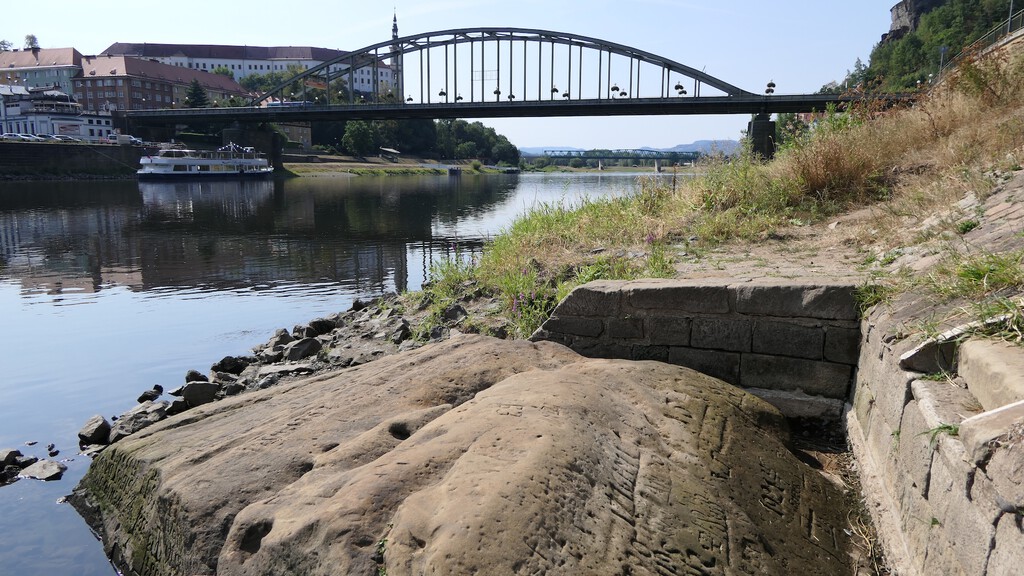
The inscriptions often include the year of the drought and sometimes a warning about the ensuing famine. For example, a stone in Děčín, Czech Republic, bears the inscription "Wenn du mich siehst, dann weine" (If you see me, weep). Such messages served as early warning systems for communities dependent on the rivers for water, agriculture, and transport.
Why Were They Created?
Rivers were the lifeblood of European cities, providing water for drinking, irrigation, and transportation. When rivers dried up, crops failed, livestock died, and trade halted, leading to food shortages and famine. The stones were carved as permanent records of these hardships, intended to warn future generations.
According to Vlastimil Pažourek, director of the Regional Museum in Děčín, the stones typically include initials and the year. "The date makes perfect sense because it draws attention to future risks," he explained in an interview with Smithsonian magazine. By marking the low-water points, communities could track patterns and prepare for future droughts.
The 2026 Drought and Recent Discoveries
This year's drought has been particularly severe, exposing multiple hunger stones across the region. Among the discoveries is a stone in the Elbe near Děčín, which has become a focal point for locals and tourists alike. The low water levels have also revealed other historical artifacts, including sunken ships and even a Pleistocene mammoth skeleton.
The reappearance of these stones has sparked renewed interest in their history and significance. As climate change intensifies, the warnings carved centuries ago resonate more than ever. The stones serve as tangible evidence of past climate variability and the resilience of communities that faced similar challenges.
What Do the Stones Tell Us About Climate?
The hunger stones are a testament to the fact that extreme weather events are not new. Europe has experienced severe droughts before, and these stones document their frequency and impact. By studying the dates and inscriptions, researchers can gain insights into historical climate patterns and how societies adapted.
For instance, a stone from 1616 reads, "If you see me, then weep," indicating a particularly harsh drought that year. Other stones date back to 1417, 1473, and 1842, among others. These markers provide a timeline of drought events that can help scientists understand long-term climate trends. The background to this story is set out in India's Cockroach Party Hunger Strike Exposes Education Crisis. A related thread runs through ICE Force-Feeding of Hunger Strikers: Brutal Reality Exposed. Earlier coverage in Trending: latest articles shows how the argument developed.
Lessons for Today
The reappearance of hunger stones is a call to action. They remind us that water scarcity can have devastating consequences for food security and economies. Modern Europe may be more resilient, but the warnings are clear: we must manage our water resources wisely and prepare for more frequent droughts. A closer look at the same subject appears in French Artisan Cheese Recipes Face Ruin From Drought. Anyone following the wider picture can start with Paper House: 100,000 Newspapers Built This 1922 Home. The same theme surfaces in Best Gaming Processors 2026: Top 8 CPUs and Buying Guide, which takes a different angle.
As Pažourek notes, the stones were meant to draw attention to future risks. Today, they serve as a reminder that climate change is not a distant threat but a present reality. The inscriptions, though centuries old, speak directly to our current challenges. Context on how this played out before sits in France's Chaos Is a Warning Signal for Australia's Public Spending. A companion piece, Europe's Drought Exposes Hunger Stones Warning of Famine, approaches the same subject from another angle.
Key Takeaways
- Hunger stones are carved rocks in the Elbe and Rhine rivers that appear during severe droughts.
- They date from the 15th to 20th centuries and often include warnings about famine.
- The 2026 drought has exposed several stones, including one with the message "If you see me, weep."
- These stones provide historical data on drought frequency and climate variability.
- They serve as a reminder of the importance of water management and climate adaptation.
Comparison of Notable Hunger Stones
| Location | River | Year(s) Inscribed | Inscription (Translation) |
|---|---|---|---|
| Děčín, Czech Republic | Elbe | 1616 | "If you see me, weep" |
| Děčín, Czech Republic | Elbe | 1417, 1473, 1842 | Various dates and initials |
| Rhine River, Germany | Rhine | 1857, 1921 | "If you see me, weep" |
| Elbe River, Germany | Elbe | 1654, 1800 | Dates and warnings |
FAQ
What are hunger stones?
Hunger stones are large rocks carved with dates and warnings, found in riverbeds like the Elbe and Rhine. They appear only during severe droughts and were created to alert future generations to famine risks.
Why do they say "If you see me, weep"?
The phrase "If you see me, weep" (or similar) was inscribed to convey the despair of drought and impending famine. Seeing the stone meant that water levels were so low that crops would fail and hardship would follow.
When were hunger stones created?
Most hunger stones were carved between the 15th and 20th centuries, with some dating back to 1417. They were made by communities living along the rivers to record drought events and warn future generations.
Why are they reappearing now?
The hunger stones are reappearing due to the severe drought in Europe in 2026, which has caused water levels in rivers like the Elbe and Rhine to drop significantly. This exposes the stones that are normally submerged.
Browse the Shop
 Acacia frida deluxe solid wood bed frame |
Bedroom bench |
Bed chest drawers |
Lingerie dresser |
Frame base |
Mirror with jewelry storage |
30 Bathroom Vanity |
Memory foam queen mattress |
Mattresses for back pain |
Nightstand set of 2 |
Grand Goldman Shop |
Civil Lawyer
Deutschland Trikot WM 2026







