

Spain's airport tourism boom is directly linked to rising rental prices, according to a new study by the New Economics Foundation (NEF). The research, commissioned by Transport & Environment (T&E), reveals that the surge in foreign visitors arriving by air is putting pressure on the Spanish housing market, making it harder for locals to find affordable rentals.
The study comes as Spain's airports are busier than ever. In the past year, the country welcomed 96.8 million foreign tourists, with 80.5 million—over 83%—arriving by air. This dominance of air travel not only underscores the importance of airports for tourism but also highlights the growing strain on housing as more properties are diverted to short-term rentals.
Find Original Home Decor sparking conversation at Grand Goldman Shop.

The Scale of Airport Tourism in Spain
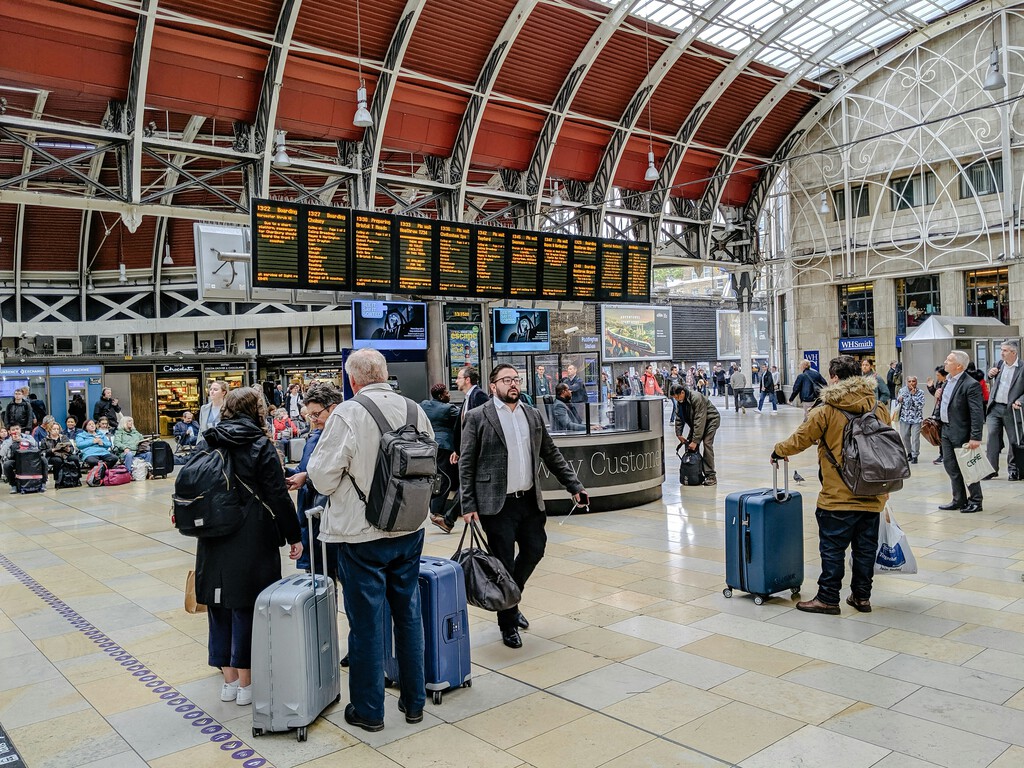
Air travel is by far the main entry point for foreign visitors to Spain, far outpacing road or sea arrivals. The number of air passengers has been growing steadily, prompting several airports to consider expansion to handle the increasing traffic and avoid collapse under the tourism boom.
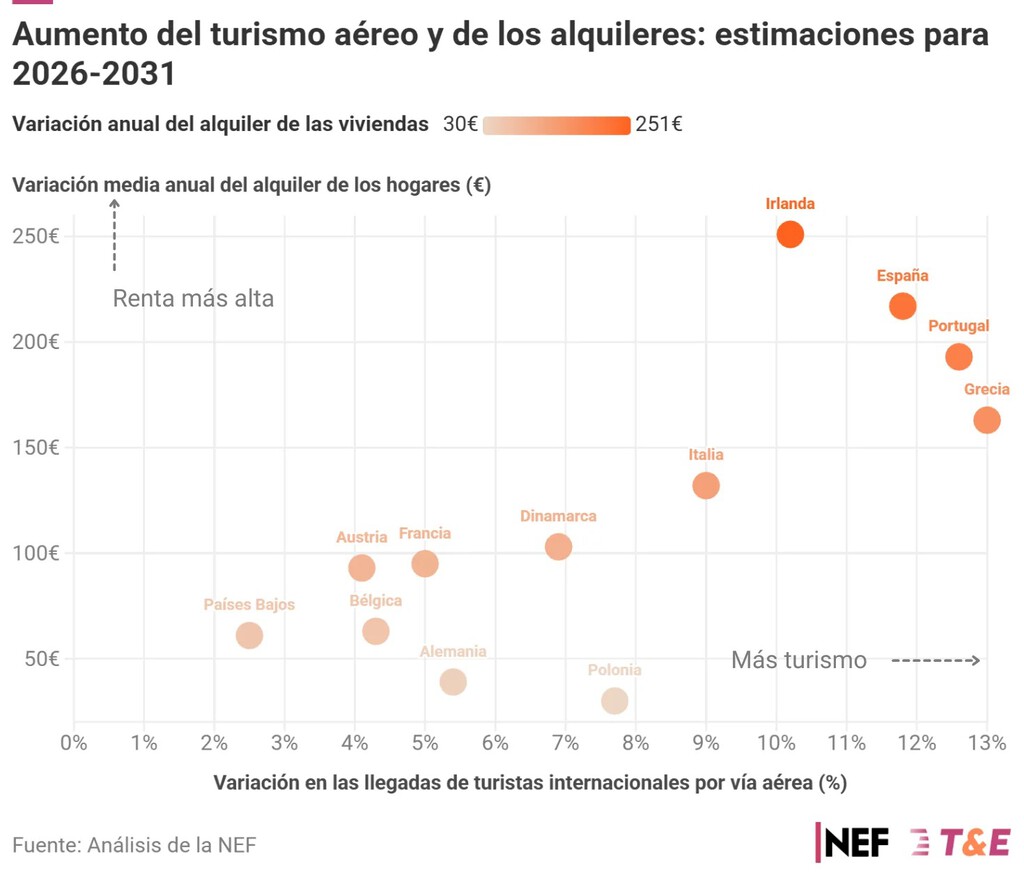
This growth is not just a logistical challenge for airports but also a significant driver of the housing crisis in popular destinations. As more tourists arrive, the demand for accommodation rises, leading to a surge in short-term rental listings and a corresponding decrease in long-term rental availability.
How Tourism Affects the Housing Market
The NEF study examined the effects of air tourism on rental prices and found a direct connection. The influx of tourists incentivizes property owners to convert long-term rentals into vacation rentals, which can be more lucrative. This shift reduces the supply of housing for residents, driving up prices and making it harder for locals to afford homes.
While it's no secret that tourism influences the real estate market, this study provides concrete evidence of the link between airport arrivals and rental price increases. The findings are particularly concerning for tenants, as they suggest that the trend is likely to continue as tourism numbers grow.
Key Findings from the NEF Study
- Over 83% of foreign tourists arrive in Spain by air, making airports the primary gateway for visitors.
- The increase in air tourism is directly correlated with rising rental prices in popular destinations.
- Property owners are increasingly converting long-term rentals into short-term vacation rentals to capitalize on tourist demand.
- The reduction in long-term rental supply is exacerbating housing affordability issues for local residents.
- Airport expansion plans may further accelerate these trends by facilitating even more tourist arrivals.
Comparing Tourism Arrivals by Transport Mode
To understand the dominance of air travel, consider the following comparison of tourist arrivals by transport mode in Spain:
| Transport Mode | Share of Foreign Tourists |
|---|---|
| Air | 83% |
| Road | Less than 17% |
| Sea | Less than 17% |
As the table shows, air travel accounts for the vast majority of foreign tourist arrivals, far exceeding other modes. This concentration means that any increase in air tourism has a disproportionate impact on the housing market.
Implications for Renters and Policymakers
The study's findings have significant implications for renters, especially in tourist hotspots like Barcelona, Madrid, and the Balearic Islands. As more properties are converted to short-term rentals, long-term renters face higher prices and fewer options. This can lead to displacement of local residents and increased housing insecurity.
For policymakers, the challenge is to balance the economic benefits of tourism with the need to protect housing affordability. Possible measures include regulating short-term rentals, increasing the supply of affordable housing, and ensuring that airport expansion plans are accompanied by strategies to mitigate their impact on the housing market. The background to this story is set out in Greenland Tourism Boom: New Airports Drive Visitor Growth. A related thread runs through August Solar Eclipse in Spain: Rural Tourism Safety Rules for Visitors. Earlier coverage in Spain Solar Eclipse Wildfire Risk: Tourists Warned as Heat Sparks shows how the argument developed.
What to Watch Next
As Spain's airports continue to expand and tourist numbers rise, the pressure on the housing market is likely to intensify. The NEF study calls for further research to fully understand the dynamics at play and to develop effective policy responses. A closer look at the same subject appears in Spain's 100 Million Tourist Goal Faces Extreme Heat Threat. Anyone following the wider picture can start with European Cities With Most Tourism per Resident: Spain Tops the List. The same theme surfaces in Madrid Tourism Backlash: Does 'Madrileñofobia' Really Exist in Spain, which takes a different angle.
For now, renters in tourist areas should be prepared for continued upward pressure on prices. Investors and property owners, on the other hand, may see opportunities in the short-term rental market, but should also be aware of potential regulatory changes aimed at curbing the negative effects on local communities. Context on how this played out before sits in The Improbable Origin of Spain's Menú del Día: A Franco-Era Tourism Strategy. A companion piece, Heat Waves Are Reshaping Spain's Tourism Industry Fast, approaches the same subject from another angle.
FAQ
How does airport tourism affect rental prices in Spain?
Airport tourism increases demand for short-term accommodations, leading property owners to convert long-term rentals into vacation rentals. This reduces the supply of long-term housing, driving up rental prices for local residents.
What percentage of tourists arrive in Spain by air?
Over 83% of foreign tourists arrive in Spain by air, making it the dominant mode of entry for international visitors.
Which organization conducted the study on tourism and rental prices?
The study was conducted by the New Economics Foundation (NEF) and commissioned by Transport & Environment (T&E).
What can be done to mitigate the impact of tourism on housing?
Policymakers can implement regulations on short-term rentals, increase affordable housing supply, and integrate housing impact assessments into airport expansion plans.
Browse the Shop
 Acacia frida deluxe solid wood bed frame |
Bedroom bench |
Bed chest drawers |
Lingerie dresser |
Frame base |
Mirror with jewelry storage |
30 Bathroom Vanity |
Memory foam queen mattress |
Mattresses for back pain |
Nightstand set of 2 |
Grand Goldman Shop |
Civil Lawyer
Deutschland Trikot WM 2026







