

Одно из наиболее значимых событий в 2026 году в области полупроводников: Samsung Electronics и Advanced Micro Devices (AMD) подписали новый меморандум о взаимном понимании (MoU) об расширении их стратегического сотрудничества в области памяти для искусственного интеллекта (ИИ) и потенциального производства чипов, что может изменить конкуренцию на глобальном рынке чипов.
Партнерство, объявленное 18 марта 2026 года, представляет собой более тесное выравнивание между двумя крупными участниками гонки за процессоры, оптимизированные под ИИ, бросающее вызов доминирующим конкурентам, ужесточающее цепочки поставок и переустанавливаю вес сил в «чип‑войнах», вызванных резким ростом спроса на ИИ.
Find Bleeding Edge Supplements at Scandalous Prices on iHerb.

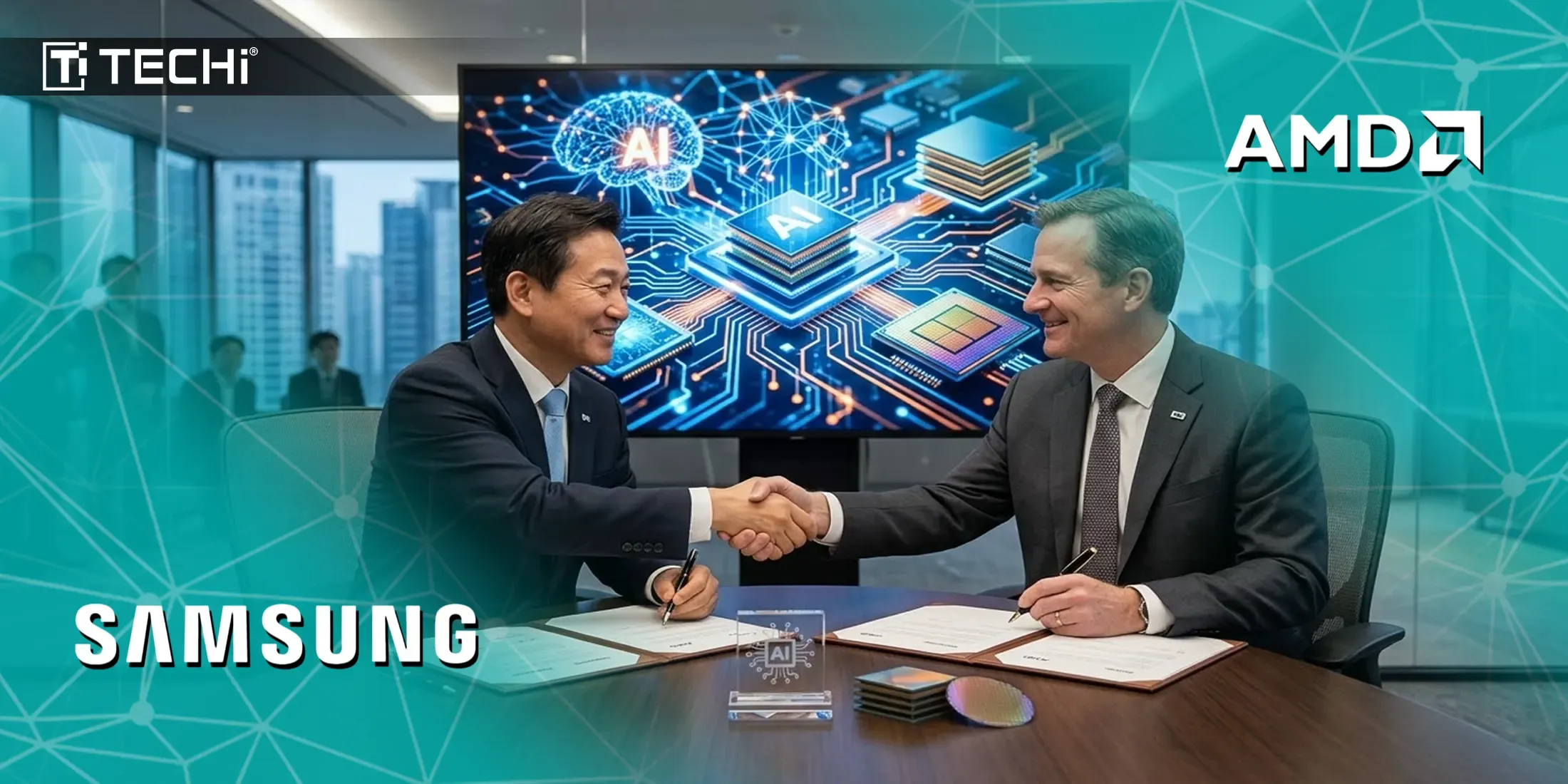
Сделка: что согласовали Samsung и AMD
В рамках меморандума о взаимопонимании Samsung будет поставлять память следующего поколения с высоким пропусканием (HBM4) и DDR5 память AMD, укрепляя долгосрочные поставки для критически важных компонентов дата‑центров ИИ. Обсуждения также будут сосредоточены на возможном соглашении о сотрудничестве с чип‑фабрикой, которое может расширить роль Samsung с поставщика памяти до полного производства чипов для AMD.
Ключевые элементы соглашения
| Компонент | Роль |
|---|---|
| HBM4‑память | Samsung становится ключевым поставщиком HBM4 для ИИ‑ускорителей AMD Instinct MI455X. |
| DDR5‑память | Samsung поставляет оптимизированные DDR5‑чипы для EPYC процессоры AMD следующего поколения. |
| Переговоры с чип‑фабриками | Обе компании будут рассматривать производство чипов Samsung для AMD. |
| Стратегическое выравнивание | Углубление сотрудничества в области аппаратного обеспечения ИИ, выходящего за пределы памяти. (Совместные заявления) |
Сделка подчеркивает амбиции Samsung расширить своё присутствие за пределами памяти и заняться производством и упаковочными услугами, одновременно предоставляя AMD больший рычаг влияния и стабильность в своей цепочке поставок, которая исторически в значительной мере зависела от внешних чип‑фабрик.

Почему это важно сейчас: спрос на ИИ и давление на память
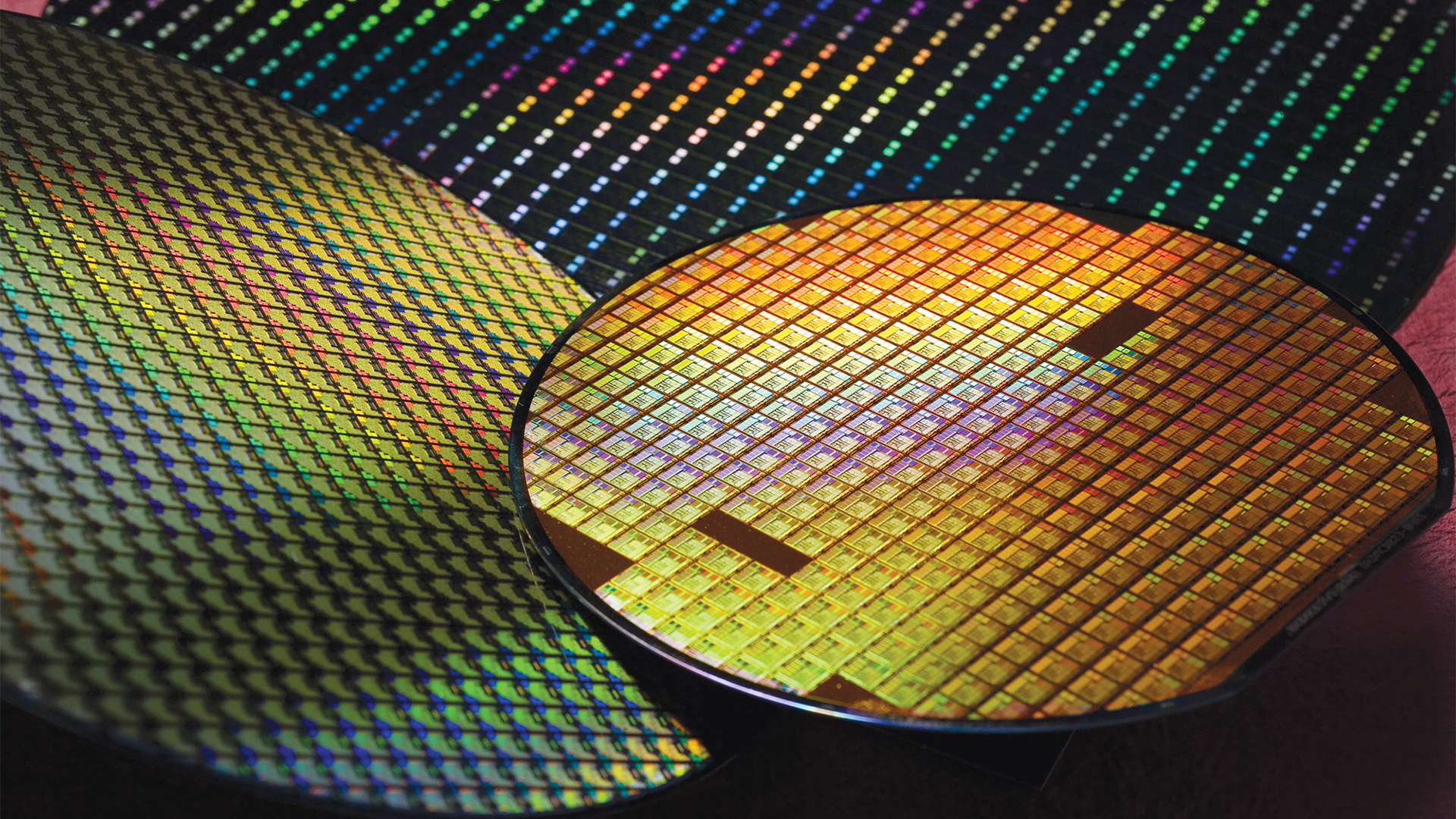
Полупроводниковая индустрия сталкивается с ростом спроса на продвинутую память под влиянием ИИ, особенно High Bandwidth Memory (HBM) — специализированной памяти, которая обеспечивает высокоскоростной обмен данными между чипами и ускорителями ИИ.
Глобальный дефицит памяти
-
Постоянный глобальный дефицит памяти с 2024 года ограничивает поставки высокопроизводительной памяти, такой как HBM, поскольку рост инфраструктуры ИИ значительно опережает производственные мощности.
-
Производство HBM требует большего объема выпуска ваферов, чем у обычной памяти, что ограничивает мощности для других DRAM‑продуктов.
-
Samsung в настоящее время занимает около 22% мирового рынка HBM, уступая доле SK Hynix в 57% — разрыв, который новая сделка призвана сузить.
Системы ИИ — от облачных дата‑центров до сервисов генеративного ИИ — зависят от памяти, которая перемещает данные на порядки быстрее обычной памяти, делая HBM узким местом и стратегическим активом для производителей аппаратного обеспечения.
Динамика сил: AMD против Nvidia (и прочих)
Шаг Samsung‑AMD происходит на фоне нарастающей конкуренции среди поставщиков чипов для ИИ, возглавляемой Nvidia, которая доминирует на рынке GPU для дата‑центров.
Конкурентное позиционирование
-
ГПУ Nvidia продолжает занимать подавляющую долю высокопроизводительных нагрузок ИИ, но AMD недавно заключила значимые сделки, включая до заказы на аппаратное обеспечение для ИИ на сумму до 60 миллиардов долларов США от Meta Platforms.
-
AMD также расширяет сотрудничество с другими клиентами облачных сервисов и разработчиками ИИ, тем самым диверсифицируя свою клиентскую базу.
-
Сделка по памяти помогает AMD снизить зависимость от SK Hynix и, возможно, от более широкой экосистемы партнёров Nvidia, особенно для ускорителей следующего поколения.
Переговоры по foundry могут иметь ещё более стратегическое значение: если Samsung сможет изготовлять логические чипы для AMD, это может снизить зависимость AMD от ведущего foundry TSMC, который в настоящее время производит большую часть передовых процессоров и графических процессоров AMD.
Что могут означать переговоры по foundry
Бизнес Samsung в области foundry за последние годы сталкивается с трудностями, терпит убытки, в то время как конкуренты, например Taiwan Semiconductor Manufacturing Company (TSMC) занимают лидирующие позиции в контрактном производстве для передовых чипов ИИ.
Однако недавняя активность отрасли — включая производство Samsung чипов Nvidia для ИИ и сотрудничество по HBM4 — свидетельствует о наращивании мощностей и уверенности в 4‑нм и будущих узлах.
Расширение foundry может:
-
Диверсифицировать производственные варианты AMD, снижая зависимость от единственных поставщиков.
-
Повысить доверие к foundry Samsung, расширяя присутствие в высокомаржинальном сегменте бизнеса.
-
Усиливать конкуренцию с TSMC и Intel, что может снизить издержки и стимулировать инновации.
-
Поощрять более широкую интеграцию экосистемы, включая ускорители ИИ, процессоры и память под одной крышей.
Если это реализуется, такой сдвиг станет одним из самых значимых стратегических шагов в чиповом секторе за многие годы.

Реакция отрасли и риски
Оптимизм по поводу влияния на рынок
Аналитики говорят, что сделка Samsung–AMD может:
-
Ускорить развертывание инфраструктуры ИИ, за счет стабилизации цепочек поставок.
-
Оказывать давление на конкурентов чтобы они обеспечили собственные гарантии поставок.
-
Укрепить позиции Samsung в области памяти и производства после долгого периода конкурентной борьбы.
Это происходит на фоне более широких отраслевых инициатив, таких как партнёрство Nvidia и Samsung по кастомным чипам для искусственного интеллекта и созданию экосистемы foundry, управляемой искусственным интеллектом.
Структурные и геополитические риски
-
Цены на память остаются волатильными, и высокие издержки могут подавлять спрос в потребительских сегментах.
-
Подготовка кадров Samsung сейчас в стадии изменений, возможны профсоюзные действия, которые могут повлиять на работу предприятий.
-
Торговые напряжения и экспортный контроль на передовые чип‑технологии по-прежнему остаются геополитическими рисками.
Движения руководителей и сигналы лидерства
Сделка укрепляется явной вовлечённостью руководителей: Генеральный директор AMD Лиза Су посещает полупроводниковый производственный объект Samsung в Пьёнгтаке, Южная Корея чтобы встретиться с руководством Samsung и обсудить расширенное сотрудничество помимо памяти.
Визит свидетельствует о готовности обеих сторон углублять связи и исследовать новые модели сотрудничества, включая контрактное производство (foundry) и вертикальную интеграцию.
Что дальше
Для специалистов в области технологий и инвесторов следует следить за несколькими событиями:
Краткосрочно (следующие 6–12 месяцев)
-
Выпуск ускорителей AMD Instinct MI455X с памятью Samsung HBM4.
-
Продолжающаяся ясность по условиям соглашения о производстве по контракту (foundry).
Среднесрочно (2026–2027)
-
Возможное расширение производства Samsung для логических чипов AMD.
-
Реакции NVIDIA, Intel и TSMC на конкурентные стратегии.
Долгосрочная перспектива (после 2027 года)
-
Влияние на архитектуры дата-центров для ИИ и диверсификацию цепочек поставок в отрасли.
-
Эволюция цен на чипы, баланс поставок памяти и мировое лидерство в производстве полупроводников.
Итог
Партнёрство Samsung‑AMD в области памяти для ИИ и литейного производства один из самых значительных тектонических сдвигов в эру полупроводников, вызванный спросом на ИИ и необходимостью обеспечить передовую память и производственные мощности.
Что ясно: в развивающихся чиповых войнах 2020-х годов стратегические партнерства — не только инновации в продуктах — становятся решающим фактором в том, кто возглавит следующую волну технологий искусственного интеллекта.
Сообщения опираются на данные последних источников Рейтерс и отраслевых источников.
Читайте далее
Снижение ставки ФРС | Рост инфляции в США | Уолл-Стрит падает | Сделка Samsung-AMD по ИИ | Правила США по газу
Browse the Shop
 Acacia frida deluxe solid wood bed frame |
Bedroom bench |
Bed chest drawers |
Lingerie dresser |
Frame base |
Mirror with jewelry storage |
30 Bathroom Vanity |
Memory foam queen mattress |
Mattresses for back pain |
Nightstand set of 2 |
Grand Goldman Shop |
Civil Lawyer
Deutschland Trikot WM 2026
Acacia frida deluxe solid wood bed frame |
Bedroom bench |
Bed chest drawers |
Lingerie dresser |
Frame base |
Mirror with jewelry storage |
30 Bathroom Vanity |
Memory foam queen mattress |
Mattresses for back pain |
Nightstand set of 2 |
Grand Goldman Shop |
Civil Lawyer
Deutschland Trikot WM 2026










