

Japan's remote islands are being transformed into a strategic barrier against China, as the country fortifies a chain of mostly uninhabited outposts stretching from its southwest to the Pacific. With over 6,800 islands, only about 400 permanently inhabited, these tiny landmasses are now key to a dispersed military network designed to monitor, detect, and potentially counter Chinese advances without open conflict.
From Forgotten Territory to Frontline Defense
For decades, Japan's remote islands had little military presence. But that has changed radically in recent years. Places like Yonaguni, just kilometers from Taiwan, have gone from having no troops to hosting radars, electronic warfare systems, and permanent military units. This shift marks a new era in Japan's defense posture.
Find Original Home Decor sparking conversation at Grand Goldman Shop.

The strategy is not about a single base or a massive deployment. Instead, it's a scattered web of positions that create a continuous line of surveillance and potential attack. These islands, many barely on the map, are now pieces in a system built to deter Chinese expansion.
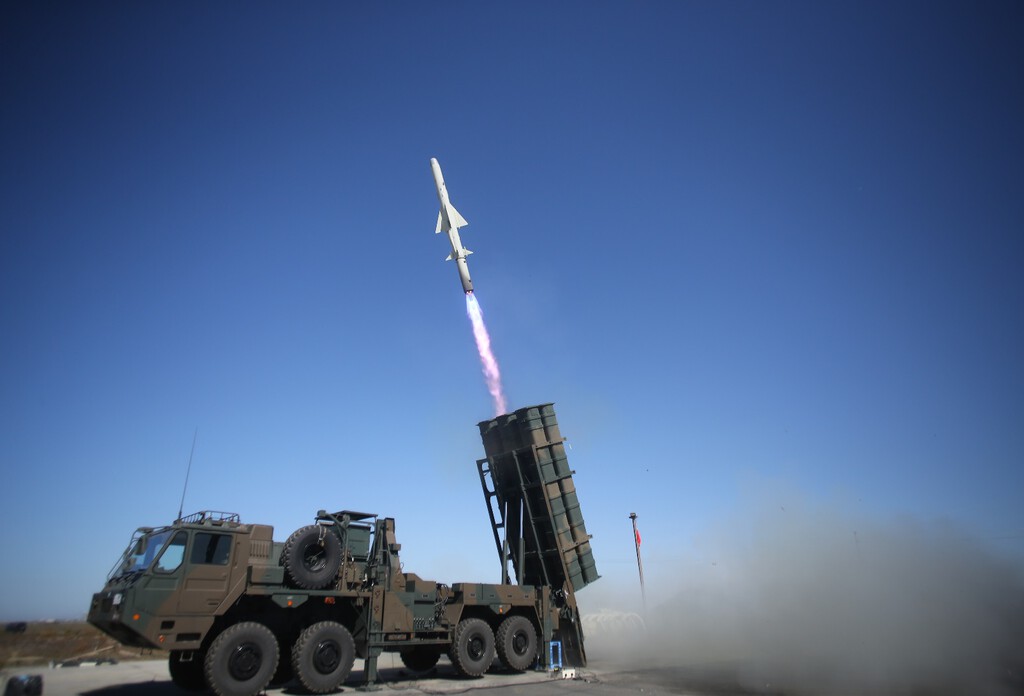
Why These Islands Matter
The location of these islands places them in some of the most strategic points on the planet. They form a natural barrier along the first island chain, a key geopolitical concept in Pacific defense. By fortifying them, Japan can keep a close eye on Chinese naval activity and protect vital sea lanes.
Moreover, these islands serve as early warning posts. Radars and sensors can detect approaching threats long before they reach the Japanese mainland. In a conflict, they would be crucial for launching countermeasures.
Key Elements of Japan's Island Defense Strategy
- Dispersed network: A web of small, hard-to-target positions rather than a few large bases.
- Advanced surveillance: Radars and electronic warfare systems on islands like Yonaguni.
- Permanent troop presence: Units stationed on previously unoccupied islands.
- Rapid reinforcement: Plans to quickly deploy forces to remote outposts.
- Civilian-military integration: Using local infrastructure for defense purposes.
Comparison of Key Islands
| Island | Distance to Taiwan | Military Presence | Key Systems |
|---|---|---|---|
| Yonaguni | ~110 km | Permanent units | Radar, electronic warfare |
| Miyako | ~300 km | Garrison | Missile defense |
| Ishigaki | ~270 km | Base | Coastal surveillance |
| Okinawa | ~600 km | Major bases | Air and naval |
Implications for Regional Security
Japan's island fortification is a direct response to China's growing military assertiveness. It signals a shift from passive defense to active deterrence. By spreading out its forces, Japan makes it harder for adversaries to cripple its capabilities with a single strike.
This strategy also aligns with the United States' concept of distributed lethality, which emphasizes dispersal and resilience. Japan's islands could serve as forward operating bases for allied forces in a crisis. The background to this story is set out in Besieged West Bank School Fortifies Defenses Against Settler Violence. A related thread runs through New Barrier Against Construction Dust. Earlier coverage in China Challenges US Leadership in Asteroid Defense shows how the argument developed.
What to Watch Next
Look for increased military construction on remote islands, more frequent joint exercises with the U.S., and possibly the deployment of long-range missiles. Japan may also expand civilian infrastructure on these islands to support military operations. A closer look at the same subject appears in Alboran Island: Spain's Tiny Outpost That Nearly Sparked a War. Anyone following the wider picture can start with Japan Condemns Putin's Disputed Kuril Islands Visit. The same theme surfaces in Russia's Missile Tests Near Disputed Islands Anger Japan, which takes a different angle.
The balance of power in the Pacific is shifting, and these tiny islands are at the center of it. As tensions rise, Japan's invisible barrier will only become more visible. Context on how this played out before sits in Sustainable Forestry in Guatemala: Green Islands Against.
FAQ
Why is Japan fortifying its remote islands?
Japan is fortifying its remote islands to enhance surveillance and deterrence against China, particularly to protect the Taiwan Strait and its own territorial integrity.
Which islands are most strategic?
Yonaguni, Miyako, and Ishigaki are among the most strategic due to their proximity to Taiwan and the East China Sea.
How does this affect civilians on these islands?
Civilians may see increased military activity and infrastructure development, but the government aims to minimize disruption while enhancing security.
What role does the U.S. play in this strategy?
The U.S. supports Japan's defense efforts through joint exercises and may use these islands for forward deployment in a conflict, reinforcing the alliance.
As Japan continues to bolster its remote islands, the strategic landscape of the Pacific is evolving. For a broader perspective on how nations are investing in advanced technology for defense and energy, see how China's 582-ton magnet for artificial sun fusion energy highlights the race for technological supremacy.
Browse the Shop
 Acacia frida deluxe solid wood bed frame |
Bedroom bench |
Bed chest drawers |
Lingerie dresser |
Frame base |
Mirror with jewelry storage |
30 Bathroom Vanity |
Memory foam queen mattress |
Mattresses for back pain |
Nightstand set of 2 |
Grand Goldman Shop |
Civil Lawyer
Deutschland Trikot WM 2026







