

Japan's tourism dilemma is a classic case of wanting more visitors but not at any cost. The government estimates that by the end of this decade, the country could be earning billions of dollars extra from tourism. However, in record time, major cities, temples, monuments, parks, and trails have become crowded with foreigners.
To resolve this quandary, the government of Sanae Takaichi has devised a plan to continue attracting visitors through 2030, but in a much more orderly and compatible way with the daily lives of Japanese citizens.
Find Original Home Decor sparking conversation at Grand Goldman Shop.

What Has Happened?
Japan has set an ambitious goal that, if successful, could serve as a model for Spain and other countries grappling with the effects of mass tourism. Japanese authorities do not want to give up the 'goose that lays the golden egg' that foreign visitors represent, but they are also unwilling to let the sector continue to pressure the local population. Both objectives are understandable, especially at the political level.
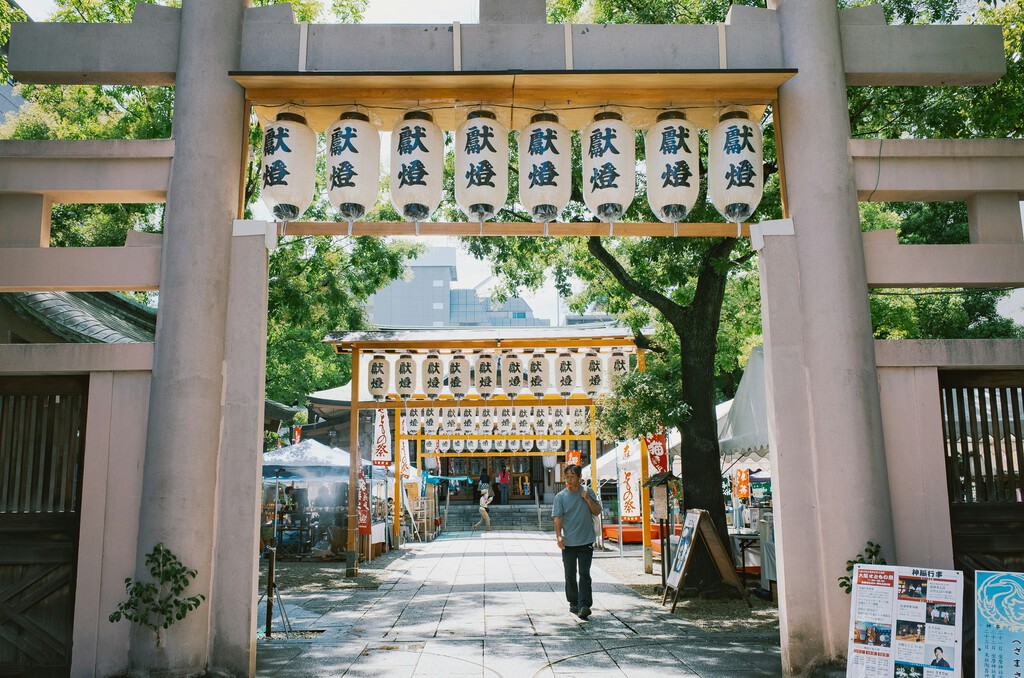
Tourism generates billions of yen each year, a constant cash flow that irrigates both the private sector and the Japanese state coffers. Moreover, the executive led by Takaichi is convinced that the country has not yet touched the ceiling of its potential.
Why Japan's Tourism Dilemma Matters
The stakes are high. Japan's tourism boom has brought economic benefits but also strained infrastructure and local communities. The government's plan aims to spread visitors more evenly across regions and seasons, reducing pressure on popular hotspots like Kyoto and Tokyo.
This approach could set a precedent for other nations facing similar challenges. If Japan succeeds, it may offer a blueprint for sustainable tourism that balances growth with quality of life.
- Economic boost: Tourism could bring billions in additional revenue by 2030.
- Overtourism concerns: Popular sites are overcrowded, affecting local life.
- Government strategy: A plan to manage visitor numbers and distribution.
- Global relevance: Japan's model could inspire other countries.
- Local impact: Balancing tourist needs with resident well-being is key.
Key Elements of Japan's Tourism Strategy
The plan likely includes measures to encourage travel to lesser-known regions, promote off-season visits, and improve infrastructure. It may also involve regulations to limit visitor numbers at sensitive sites.
Such strategies are not without challenges. Implementing them requires coordination between national and local governments, as well as buy-in from the tourism industry. The background to this story is set out in Japan's Wedding Tourism Boom: Tying the Knot in a Crowded Theme Park. A related thread runs through Japan Tourism Faces a 9.6% Drop as Chinese Visitors Stay Away. Earlier coverage in Australian Tourists Flock to Japan: Rural Travel Push shows how the argument developed.
Comparison of Tourism Approaches
| Country | Approach | Key Challenge |
|---|---|---|
| Japan | Managed growth, regional dispersal | Overtourism in cities |
| Spain | Regulation of tourist rentals | Housing affordability |
| Italy | Entry fees for popular sites | Preservation of heritage |
What to Watch Next
As Japan rolls out its plan, observers will be watching for concrete policies and their effects on visitor numbers and local satisfaction. The success of this balancing act could influence tourism policies worldwide. A closer look at the same subject appears in Japan's Tourism Survey: What Locals Dislike Most About Visitors. Anyone following the wider picture can start with Australian Tourists Flood Japan: New Plan to Spread Them. The same theme surfaces in Japan's Hotel Staffing Crisis: A Natural Brake on Overtourism, which takes a different angle.
For now, the government's dual goals reflect a growing recognition that unchecked tourism can harm the very attractions that draw visitors. Japan's experiment will be closely followed by other destinations facing similar pressures. Context on how this played out before sits in Japan's Tourism Boom: Only 17% of Japanese Hold Passports. A companion piece, Japan Tourist Boom: Only 17% of Japanese Hold a Passport, approaches the same subject from another angle.
FAQ
What is Japan's tourism dilemma?
Japan wants to increase tourism revenue but is concerned about overtourism and its impact on local communities. The government is seeking a balance between growth and sustainability.
How does Japan plan to manage tourism?
The plan includes spreading visitors to less crowded regions, promoting off-season travel, and potentially implementing regulations at popular sites.
Why is this important for other countries?
Japan's approach could serve as a model for countries like Spain that are dealing with mass tourism and its negative effects.
What are the economic benefits of tourism for Japan?
Tourism generates billions of yen annually, supporting both private businesses and public finances. The government sees potential for further growth.
Browse the Shop
 Acacia frida deluxe solid wood bed frame |
Bedroom bench |
Bed chest drawers |
Lingerie dresser |
Frame base |
Mirror with jewelry storage |
30 Bathroom Vanity |
Memory foam queen mattress |
Mattresses for back pain |
Nightstand set of 2 |
Grand Goldman Shop |
Civil Lawyer
Deutschland Trikot WM 2026







