

France's secret nuclear missile silos, hidden beneath the lavender fields of Provence, were one of the Cold War's most ambitious engineering projects. For a quarter of a century, 18 massive silos carved into the rock at a depth of 30 meters remained one of the country's best-kept secrets.
Each silo measured about nine meters in diameter and was protected by a 145-ton concrete door. Inside, nuclear missiles stood ready to launch toward Eastern Europe if France came under attack. This is the story of the Plateau d'Albion site and why it mattered.
Find Original Home Decor sparking conversation at Grand Goldman Shop.

Why France Built Underground Nuclear Missile Silos
The Plateau d'Albion installation was the land-based component of France's nuclear deterrent, conceived during the presidency of Charles de Gaulle. The logic was simple: if someone attacked France with nuclear weapons, the missiles at Albion had to survive to strike back.
This concept, known as second-strike capability, required extreme protection. The silos were designed to withstand a nearby nuclear blast, ensuring that France could always respond. The site was chosen for very specific geological reasons.
The limestone subsoil of the plateau was relatively easy to excavate yet strong enough to withstand heavy impacts. Crucially, the location was outside the Durance seismic zone, reducing the risk of earthquake damage. It was, in short, the perfect place to survive.
Building the Secret Silos: A Massive Undertaking
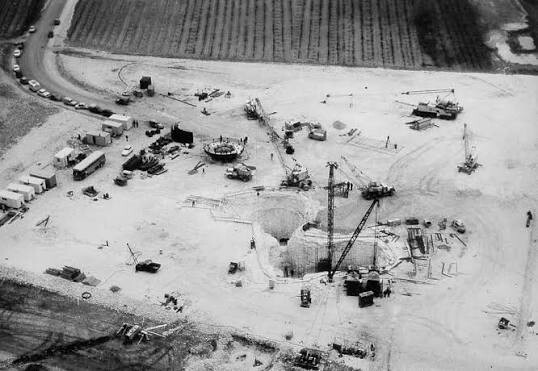
Construction began in 1966 and mobilized more than 1,000 workers. The project required new roads, water supply, and about 120 kilometers of power lines to support a complex that eventually spread over some 800 square kilometers across Vaucluse, Drôme, and Alpes-de-Haute-Provence.
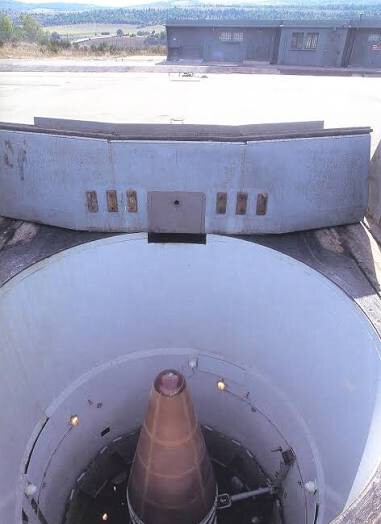
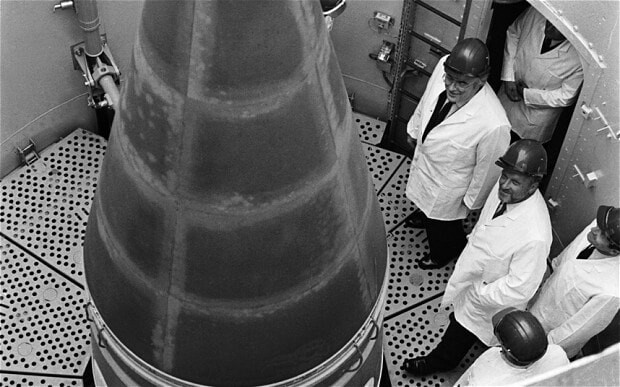
Each silo was excavated to a depth of 30 meters and lined with concrete. The 145-ton doors were designed to slide open rapidly, allowing missiles to launch within minutes of an order. Inside, the weapons were suspended on a damping system to protect them from shock.
The scale of the work was immense, and much of it was done in secrecy. Local residents often had no idea what was being built beneath their fields.
How the Silos Worked
The Plateau d'Albion silos were part of a complex system that included command centers, radar stations, and support facilities. The missiles themselves were solid-fueled rockets capable of reaching targets thousands of kilometers away.
The silos were connected by underground tunnels and communication lines, allowing centralized control. In the event of an attack, the crew would receive launch orders through hardened communication channels.
The system was designed to be fully autonomous for extended periods, with its own power generation and life support. This ensured that even if the surrounding area was devastated, the silos could still function.
Key Features of the Plateau d'Albion Silos
- 18 silos excavated into limestone rock, each 9 meters in diameter and 30 meters deep.
- 145-ton concrete doors protecting each silo, designed to withstand blast overpressure.
- Damping systems suspending each missile to absorb shock from nearby explosions.
- 800 square kilometers of support infrastructure across three departments.
- Over 1,000 workers involved in construction starting in 1966.
Comparison with Other Nuclear Facilities
| Feature | Plateau d'Albion Silos | Typical US Minuteman Silos |
|---|---|---|
| Depth | 30 meters | About 30 meters |
| Door weight | 145 tons | About 100 tons |
| Number of silos | 18 | 450 (at peak) |
| Construction start | 1966 | 1960s |
| Status | Decommissioned | Active |
While the US deployed hundreds of silos, France opted for a smaller, more concentrated force. The Albion silos were eventually decommissioned in the 1990s as France shifted its deterrent to submarine-launched missiles. The longer history behind the story is traced in France's Secret Nuclear Missile Silos Beneath Provence.
What Happened to the Silos?
The Plateau d'Albion site was gradually dismantled after the end of the Cold War. The silos were sealed, and much of the equipment was removed. Today, the area is a ghostly reminder of the nuclear age. The background to this story is set out in Russian Missile Destroys US-Owned Kyiv Drone Factory. A related thread runs through France Wildfires: Climate Crisis Ignites Political Debate. Earlier coverage in Trump Unsure on Ukraine Patriot Missile Licensing Deal shows how the argument developed.
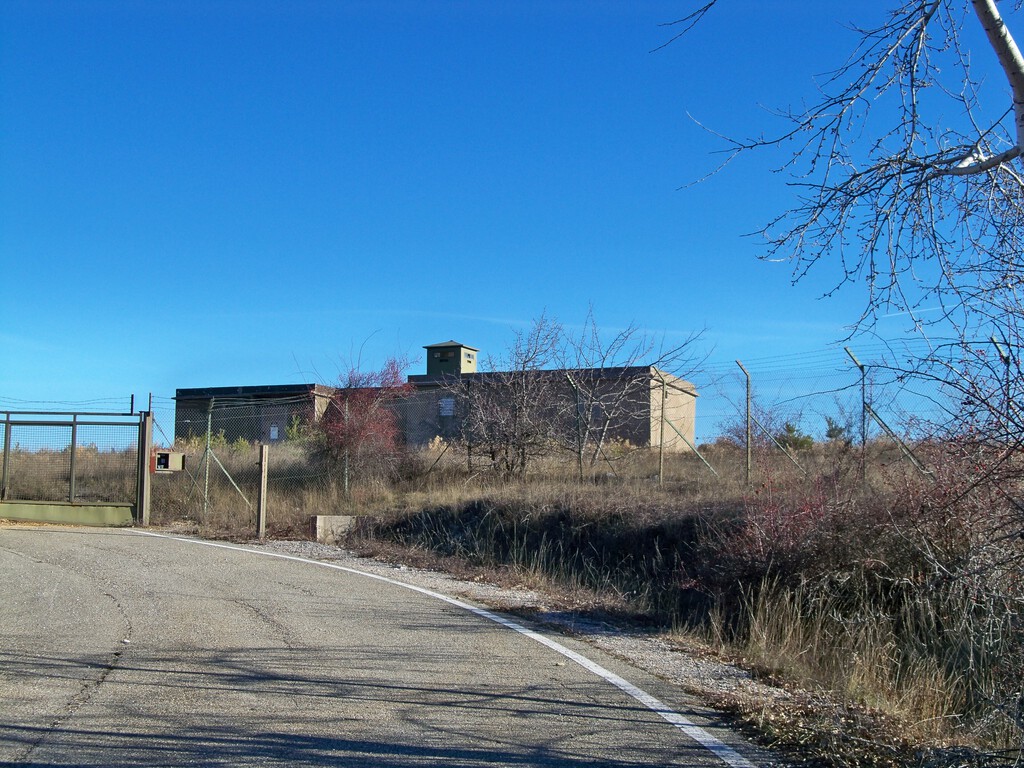
Some of the facilities have been repurposed for civilian use, while others remain off-limits. The legacy of the silos lives on in the landscape and in the memories of those who built and served there. A closer look at the same subject appears in Silo Cleaning: Hidden Pest Risks, Solutions & Safety Rules. Anyone following the wider picture can start with Trending: latest articles. The same theme surfaces in Russia's Giant Drone Launch Sites: What Satellite Images Reveal, which takes a different angle.
The story of these silos is a testament to the lengths nations went to during the Cold War. It also highlights the engineering prowess required to build such a complex in secret. Context on how this played out before sits in China Studies Falklands War Civilian Ship Mobilization Strategy. A companion piece, Granada Earthquakes: 400 Tremors and Families Camping in Parks, approaches the same subject from another angle.
FAQ
Where were the French nuclear missile silos located?
The silos were located on the Plateau d'Albion in Provence, spanning the departments of Vaucluse, Drôme, and Alpes-de-Haute-Provence. The site covered about 800 square kilometers.
How deep were the silos?
Each silo was excavated to a depth of 30 meters and had a diameter of about 9 meters. They were lined with concrete and protected by 145-ton doors.
When were the silos built and decommissioned?
Construction began in 1966 and the site was operational until the 1990s. It was decommissioned as France shifted its nuclear deterrent to submarine-launched missiles.
Why was the Plateau d'Albion chosen for the silos?
The limestone subsoil was easy to excavate but strong enough to withstand impacts, and the location was outside the Durance seismic zone, reducing earthquake risk.
Browse the Shop
 Acacia frida deluxe solid wood bed frame |
Bedroom bench |
Bed chest drawers |
Lingerie dresser |
Frame base |
Mirror with jewelry storage |
30 Bathroom Vanity |
Memory foam queen mattress |
Mattresses for back pain |
Nightstand set of 2 |
Grand Goldman Shop |
Civil Lawyer
Deutschland Trikot WM 2026







