

China has unveiled a new robot wolf pack—a swarm of AI-controlled armed units capable of operating autonomously on the battlefield. The revelation, reported by state broadcaster CCTV and picked up by SCMP, marks a significant step in the country's push toward physical AI and autonomous military systems.
These robots, each weighing around 70 kilograms and capable of carrying an additional 25 kilograms of payload, are designed to work as a coordinated swarm under a central AI brain. They can be equipped with weapons, sensors, or supplies, making them highly versatile for attack, reconnaissance, and logistics.
Find Original Home Decor sparking conversation at Grand Goldman Shop.

What Is the Robot Wolf Pack?
The robot wolves are quadrupedal machines—essentially advanced robot dogs—that have been modified for military use. Unlike earlier models that were primarily remote-controlled, these units can operate under the control of a central AI system, allowing them to function as a swarm.
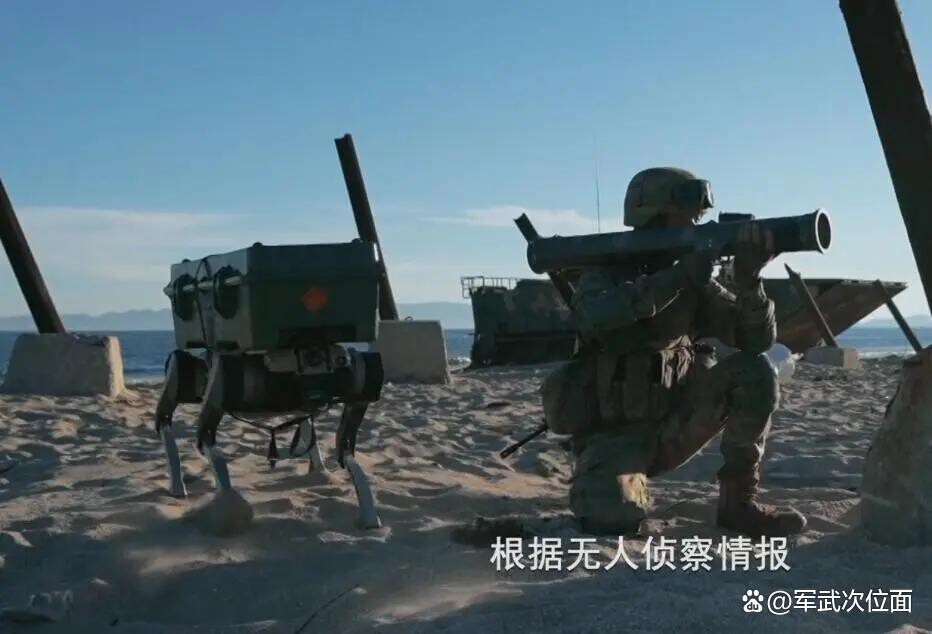
This means they can coordinate their actions, share information, and adapt to changing conditions without direct human intervention. The system is part of China's broader ambition to lead in autonomous robotics and artificial intelligence.
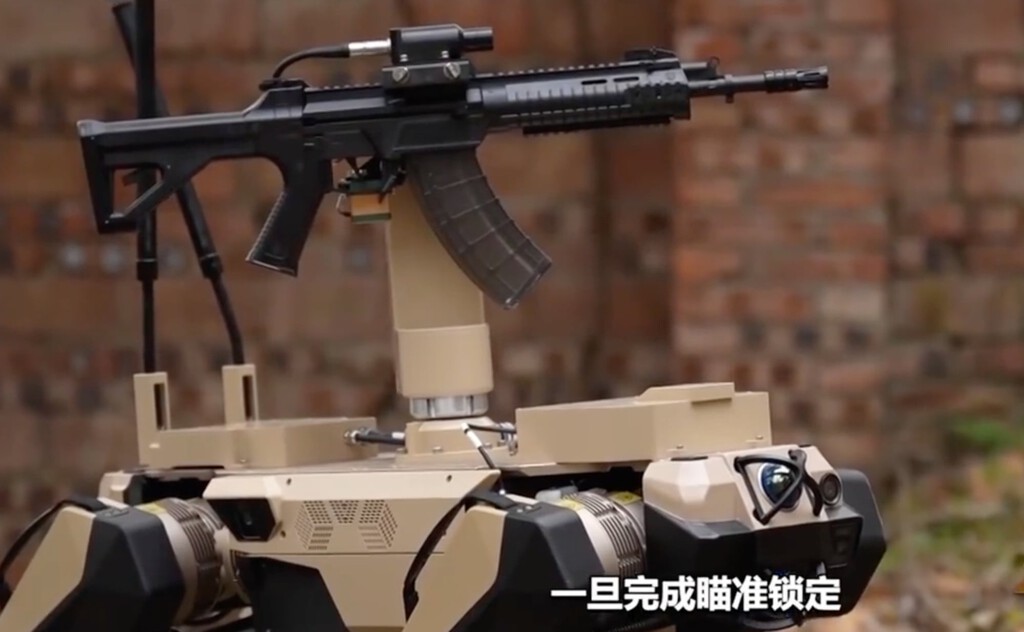
Key Features of the Robot Wolves
- Payload versatility: Each robot can carry up to 25 kg of additional equipment, including weapons, sensors, or supplies.
- Dual control modes: Operated remotely by humans or autonomously under a central AI.
- Swarm intelligence: Multiple units can work together as a coordinated pack.
- Modular design: The same base platform can be customized for different missions.
- Physical AI integration: Combines software (AI) with hardware (robot) for real-world interaction.
Why China Is Investing in Robot Wolves
China's latest five-year plan emphasizes autonomous robots, agentic AI, semiconductors, and 6G as key technologies. The robot wolf pack fits into this vision by demonstrating how AI can control physical systems in complex environments.
The military applications are clear: these robots can be deployed for dangerous missions, reducing risk to human soldiers. They can also operate in environments where humans cannot easily go, such as contaminated areas or tight spaces.
Moreover, the swarm capability allows for tactics that would be difficult with individual robots. For example, a pack could surround a target, relay sensor data, or provide covering fire while other units move into position.
How the Robot Wolf Pack Compares to Other Systems
While many countries are developing military robots, China's focus on swarm intelligence and AI control sets it apart. Here's a comparison of key attributes:
| Feature | China's Robot Wolf Pack | Typical Military Robot |
|---|---|---|
| Weight | 70 kg (base) + 25 kg payload | Varies widely |
| Control | Remote or AI-controlled swarm | Usually remote-controlled |
| Payload | Modular (weapons, sensors, supplies) | Often fixed |
| Coordination | Swarm intelligence | Limited or none |
| Autonomy | High (under central AI) | Low to moderate |
This table highlights the advanced nature of China's system, particularly its swarm coordination and modular payload capacity.
Implications for Autonomous Warfare
The introduction of armed robot wolves raises important questions about the future of warfare. Autonomous systems that can select and engage targets without human oversight are controversial, and there are ongoing international debates about the ethics and legality of such weapons.
China's system appears to allow for human control, but the emphasis on AI central control suggests a move toward greater autonomy. This could lead to faster decision-making but also risks unintended escalation.
Additionally, the deployment of such systems could trigger an arms race, as other nations seek to develop similar capabilities. The United States, Russia, and others are already investing in military robotics, and China's latest development may accelerate those efforts.
What to Watch Next
China is likely to continue testing and refining its robot wolf pack. Future developments may include improved AI algorithms, larger swarms, and integration with other unmanned systems. The background to this story is set out in NSW Police Armed with Military Rifles: Australia's Security Shift. A related thread runs through Beau Lamarre-Condon Trial: Chilling CCTV Evidence Unveiled. Earlier coverage in AI in Warfare: Why Governments Must Regulate Autonomous Weapons shows how the argument developed.
The international community will also be watching how China deploys these robots and whether it adheres to existing norms or pushes for new rules. The balance between innovation and regulation will be crucial. A closer look at the same subject appears in Armed Robotaxi Ride Ends in Police Stop for Two Minors. Anyone following the wider picture can start with Virtual OS Museum: 600+ Historical Operating Systems to Try. The same theme surfaces in British Armed Forces Member Killed in Ukraine Crash, MoD Confirms, which takes a different angle.
As physical AI advances, the line between human and machine decision-making on the battlefield will blur further. The robot wolf pack is a clear signal that China intends to be at the forefront of this transformation. Context on how this played out before sits in US and Russia Block Binding Autonomous Weapons Rules at UN. A companion piece, Denmark Wolf Encounter: Safety Tips for Tourists in Jutland, approaches the same subject from another angle.
FAQ
What are China's robot wolves?
China's robot wolves are quadrupedal robots equipped with AI and various payloads, designed to operate as a swarm for military purposes. They can be controlled remotely or autonomously.
How much can each robot wolf carry?
Each robot weighs about 70 kg and can carry an additional 25 kg of equipment, such as weapons, sensors, or supplies.
Are these robots fully autonomous?
They can be operated remotely by humans, but the key feature is their ability to be controlled by a central AI, enabling swarm coordination. The exact level of autonomy is not fully disclosed.
What is the purpose of the robot wolf pack?
The pack is designed for versatile military roles, including attack, reconnaissance, and logistics. It demonstrates China's advancement in autonomous systems and physical AI.
Browse the Shop
 Acacia frida deluxe solid wood bed frame |
Bedroom bench |
Bed chest drawers |
Lingerie dresser |
Frame base |
Mirror with jewelry storage |
30 Bathroom Vanity |
Memory foam queen mattress |
Mattresses for back pain |
Nightstand set of 2 |
Grand Goldman Shop |
Civil Lawyer
Deutschland Trikot WM 2026







