

Chinese AI models have long been celebrated for offering high performance at rock-bottom prices, but that era may be ending. Zhipu AI's latest release, GLM-5.1, comes with a notable price increase, signaling a strategic shift among Chinese AI startups.
Zhipu AI's GLM-5.1: A Leap in Performance
Zhipu AI (also known as z.ai) has quietly become one of China's most promising AI startups. Its GLM family of open models has consistently provided a solid and, above all, very affordable alternative to Western offerings. The newly announced GLM-5.1 continues this tradition of innovation, but with a catch.
Find Original Home Decor sparking conversation at Grand Goldman Shop.

GLM-5.1 is a 744-billion-parameter model with 40 billion active parameters, utilizing a Mixture of Experts architecture. It surpasses its predecessors and even outperforms GPT-5.4, Claude Opus 4.6, and Gemini 3.1 on some metrics, particularly in agentic tasks that require long-term autonomy. However, accessing these improvements now comes at a higher cost.
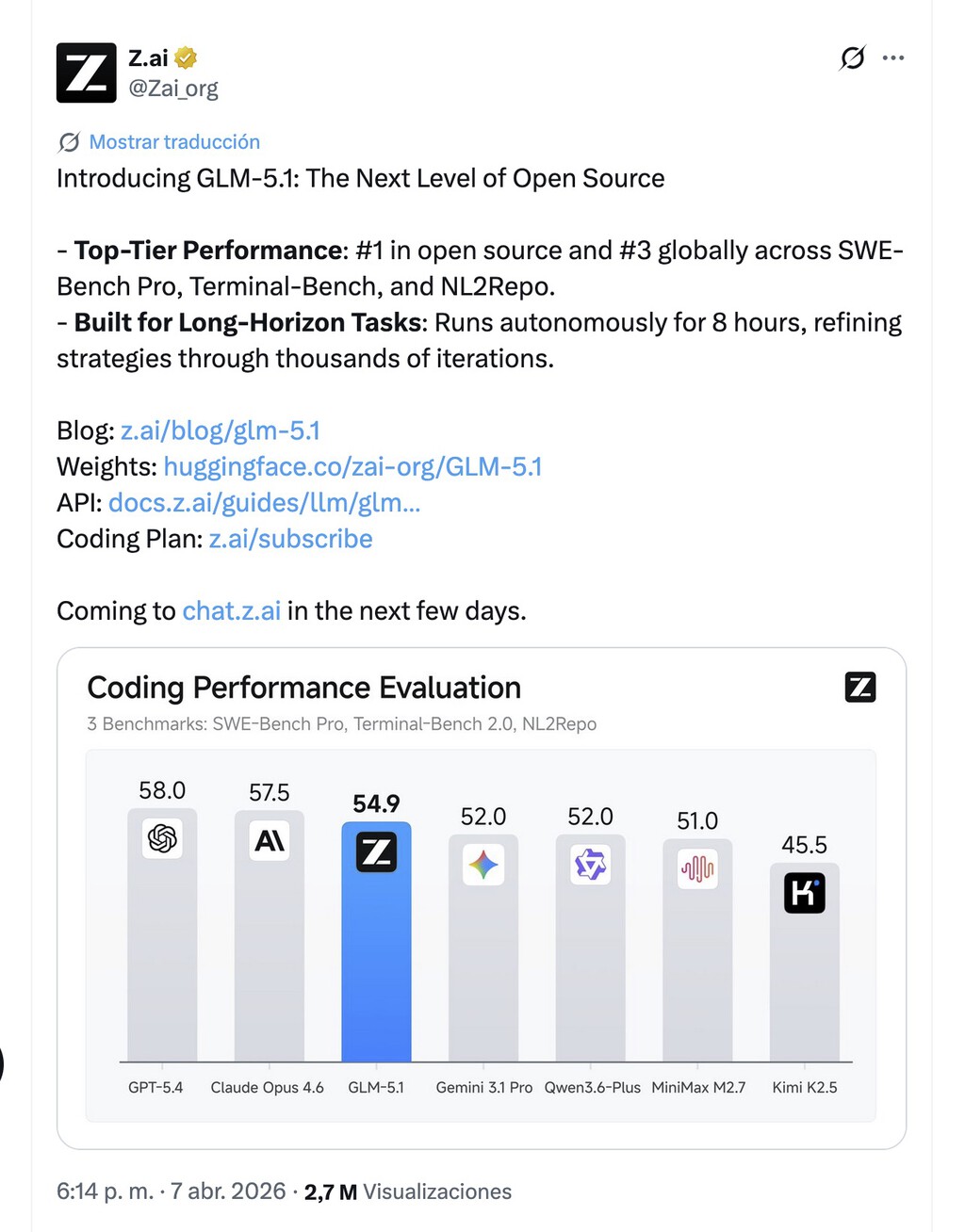
The End of the Free Lunch: Price Hikes Across the Board
According to pricing data from OpenRouter, a platform that distributes multiple free and commercial models, the new Zhipu model is at least 8% more expensive than previous versions. This increase is not isolated; it reflects a broader trend among Chinese AI companies.
For years, Chinese firms competed aggressively on price, often undercutting Western rivals to gain market share. Now, as models become more complex and compute costs rise, these companies are adjusting their strategies. The era of ultra-cheap Chinese AI may be drawing to a close.
Why Chinese AI Models Are Getting More Expensive
Several factors are driving this shift. First, the cost of training and running large models has skyrocketed. Second, Chinese AI companies are under pressure to demonstrate profitability and sustainability. Third, as their models improve, they can command higher prices in the global market.
Additionally, geopolitical tensions and export controls have made it harder for Chinese firms to access advanced chips, driving up operational costs. These challenges are forcing companies like Zhipu AI to rethink their pricing strategies.
What This Means for Businesses and Developers
For businesses and developers who have relied on cheap Chinese AI models, this shift presents a dilemma. While GLM-5.1 offers superior performance, the higher price may prompt some to explore alternatives or renegotiate budgets.
- Budget adjustments: Companies must account for higher AI costs in their budgets.
- Performance trade-offs: Evaluate whether the improved capabilities justify the extra expense.
- Alternative providers: Consider other open-source or Western models that may offer competitive pricing.
- Long-term contracts: Lock in current prices with providers before further increases occur.
- Hybrid approaches: Use cheaper models for routine tasks and premium models for complex ones.
Comparing Chinese and Western AI Models
The table below summarizes key differences between Chinese and Western AI models in terms of pricing, performance, and accessibility.
| Model | Provider | Price Trend | Performance | Accessibility |
|---|---|---|---|---|
| GLM-5.1 | Zhipu AI | Increasing (8%+ hike) | High (beats GPT-5.4 in some tasks) | Open, via OpenRouter |
| GPT-5.4 | OpenAI | Stable/High | High | Commercial API |
| Claude Opus 4.6 | Anthropic | Stable/High | High | Commercial API |
| Gemini 3.1 | Stable/High | High | Commercial API |
The Road Ahead: What to Watch
As Chinese AI models become pricier, the global AI landscape may shift. Western companies could regain a pricing advantage, while Chinese firms focus on differentiation through performance and specialized features. The background to this story is set out in GLM-5.2: China's AI Model Challenges GPT-5.5 and Opus 4.8. A related thread runs through Why Britain Should Reject Cheap Chinese AI Models Now. Earlier coverage in German Search Engine Ecosia Ditches Mistral for Chinese Open-Source AI Models shows how the argument developed.
Keep an eye on open-source communities, which may continue to offer free alternatives. Also, watch for new entrants from other regions that might undercut both Chinese and Western providers. A closer look at the same subject appears in Revolut Cuts AI Coding Costs 10x by Switching 2,000 Engineers to GLM 5.3. Anyone following the wider picture can start with Beam: US Open-Weight AI Strategy to Counter Chinese Models. The same theme surfaces in Hysterical Compilation Of The Weirdest Offerings Cats Have Ever Brought Their Owners, which takes a different angle.
Ultimately, the AI race is no longer just about who has the best model, but who can deliver value at a sustainable cost. The Chinese AI price hike is a sign that the industry is maturing—and that the days of dirt-cheap AI may be behind us. Context on how this played out before sits in Chinese AI Firms Now Race Toward Colossal Models After Small-Model Lead. A companion piece, GLM-5.2 Matches Claude Opus 4.8 in Cybersecurity, Experts Warn, approaches the same subject from another angle.
FAQ
Why are Chinese AI models like GLM-5.1 suddenly more expensive?
Rising compute costs, pressure to achieve profitability, and geopolitical factors such as chip export controls are driving price increases. Companies are also repositioning their models as premium offerings.
Does GLM-5.1 offer better performance than Western models?
In some benchmarks, particularly agentic tasks, GLM-5.1 outperforms models like GPT-5.4, Claude Opus 4.6, and Gemini 3.1. However, overall performance varies by task.
What alternatives are available for budget-conscious developers?
Open-source models from communities like Hugging Face, as well as older versions of Chinese models, may still offer affordable options. Some Western providers also offer competitive pricing for certain use cases.
Will other Chinese AI companies follow Zhipu's lead and raise prices?
Likely yes. The trend suggests a broader shift in the Chinese AI industry toward sustainable pricing. Competitors may adjust their prices similarly as they invest in more advanced models.
Browse the Shop
 Acacia frida deluxe solid wood bed frame |
Bedroom bench |
Bed chest drawers |
Lingerie dresser |
Frame base |
Mirror with jewelry storage |
30 Bathroom Vanity |
Memory foam queen mattress |
Mattresses for back pain |
Nightstand set of 2 |
Grand Goldman Shop |
Civil Lawyer
Deutschland Trikot WM 2026







