

The European Commission is pushing for AI companies to pay for copyrighted content used in training their models, ending the era of free access to protected works. This move aims to ensure that creators are fairly compensated when their books, articles, and other media are used to train artificial intelligence systems.
Recent revelations, such as the Washington Post's report on Anthropic's "Project Panama," have highlighted the massive scale of unauthorized scanning and destruction of books for AI training. The EU's stance signals a significant shift in how AI development will be regulated, forcing companies to license content properly.
Find Original Home Decor sparking conversation at Grand Goldman Shop.

Why the EU Is Taking a Stand on AI and Copyright
The European Union has been at the forefront of digital regulation, and its latest focus on AI training data is no exception. The core issue is that AI models, particularly large language models, rely on vast amounts of data—often scraped from the internet without permission—to learn patterns and generate human-like text.
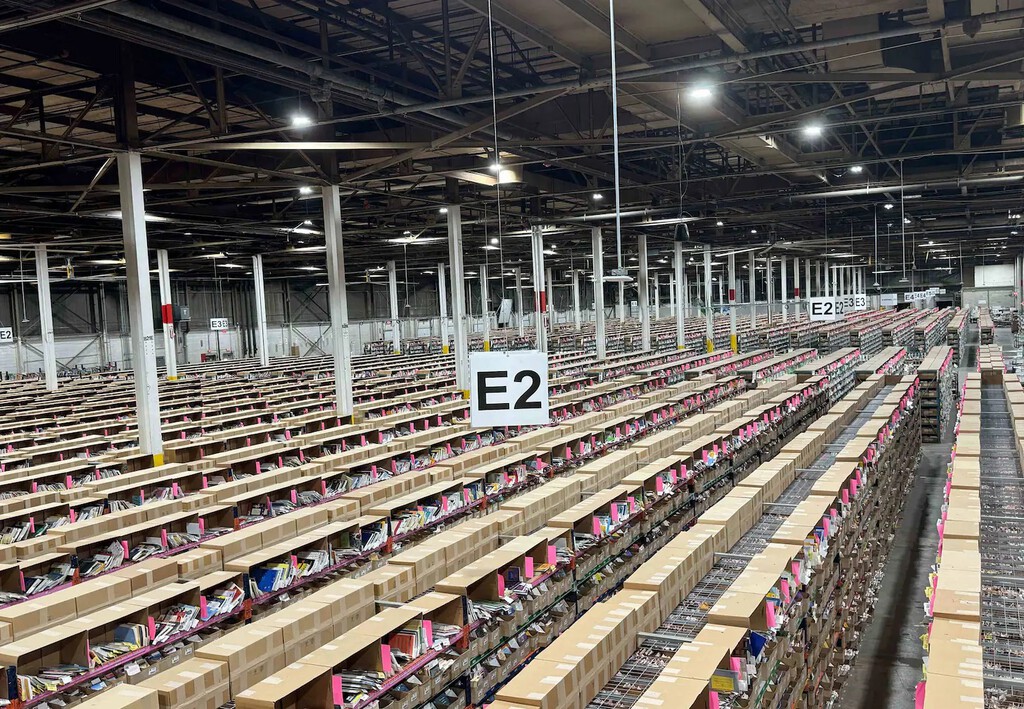
This practice has raised concerns among authors, publishers, and artists who see their work used to train systems that may eventually compete with them. The EU argues that such use should not be free; it should be subject to licensing agreements that compensate rights holders.
Moreover, the EU's approach aligns with its broader Digital Single Market strategy, which seeks to balance innovation with the protection of intellectual property. By requiring AI companies to pay for content, the EU hopes to foster a fairer ecosystem where creators can benefit from the AI revolution.
How AI Companies Have Been Using Copyrighted Content
AI companies have long argued that training on publicly available data constitutes fair use, but this defense is increasingly being challenged. The Washington Post's investigation revealed that Anthropic spent tens of millions of dollars to acquire and digitize books, many of which were destroyed in the process, without the authors' consent.
Other tech giants like Meta, Google, and OpenAI have also engaged in similar practices, scraping vast repositories of text, images, and code to build their models. While these companies claim that such use is transformative and benefits society, critics argue that it exploits creators without compensation.
The EU's proposed rules would require AI developers to obtain licenses for copyrighted material, similar to how music streaming services pay royalties to artists. This could significantly increase the cost of AI development, but proponents say it's necessary to ensure fairness.
What the EU's Proposal Means for AI Companies
If enacted, the EU's proposal would force AI companies to negotiate licensing deals with publishers, authors, and other rights holders. This could lead to a more structured market for training data, where content is bought and sold like any other commodity.
However, the transition may be challenging. Many AI companies have built their models on freely available data, and renegotiating those terms could be costly and time-consuming. Smaller AI startups might struggle to afford licensing fees, potentially stifling innovation.
To address this, the EU may consider exemptions for research or non-commercial use, but the details are still under discussion. The goal is to create a framework that rewards creators while allowing AI to thrive.
The Impact on Content Creators and Publishers
For content creators, the EU's move is a welcome development. Authors, journalists, and artists have long complained that AI companies profit from their work without permission or payment. A licensing regime would give them leverage to negotiate fair compensation.
Publishers, too, stand to benefit. News organizations, for example, have seen their articles scraped by AI chatbots that then provide answers without driving traffic back to the original source. Licensing deals could provide a new revenue stream and ensure that quality journalism is sustainable.
However, not all creators are united. Some argue that open access to data is essential for innovation and that restrictive licensing could entrench the dominance of big tech companies that can afford to pay.
Challenges and Criticisms of the EU's Approach
The EU's proposal faces several hurdles. First, defining what constitutes fair use in the context of AI training is complex. Different member states have varying interpretations of copyright law, which could lead to a fragmented approach.
Second, enforcing licensing requirements across borders is difficult. AI companies operate globally, and many are based outside the EU. The EU would need cooperation from other jurisdictions to make the rules effective.
Third, there are concerns that the EU's regulations could put European AI companies at a disadvantage compared to competitors in the US and China, where rules are more permissive. This could slow down AI innovation in Europe.
What to Watch Next in AI Regulation
The EU's proposal is still in its early stages and will likely face intense lobbying from both the tech industry and rights holders. The final text of the legislation could take years to negotiate and implement. The background to this story is set out in Anthropic Settles AI Copyright Case, Bloomsbury to Receive. A related thread runs through AI Firms Buy Old Books for Training Data, Then Destroy Them. Earlier coverage in AI Copyright Warning: Husic Fights for Fair Pay in Australia shows how the argument developed.
In the meantime, AI companies may voluntarily strike licensing deals to avoid regulatory scrutiny. Some have already begun to do so, recognizing that public pressure is mounting. A closer look at the same subject appears in AI Copyright Lawsuits: How 100+ Cases Shape Tech's Future. Anyone following the wider picture can start with AI CEOs Push to Slow Development: Will They Really. The same theme surfaces in Sony and Warner Sue Anthropic Over AI Music Copyright Infringement, which takes a different angle.
Ultimately, the debate over AI and copyright is just beginning. As AI systems become more advanced, the question of how to compensate creators fairly will only grow more urgent. The EU's actions could set a global precedent for how we balance innovation with intellectual property rights. Context on how this played out before sits in Australia Copyright Law: Will Labor Protect Citizens from AI. A companion piece, Consumer Rights Champion: How to Get Treated Fairly by Companies, approaches the same subject from another angle.
FAQ
What is the EU proposing regarding AI and copyrighted content?
The EU wants AI companies to obtain licenses and pay for copyrighted content used to train their models, ensuring creators are compensated.
Why is this important for content creators?
It would give creators leverage to negotiate fair payment for the use of their work, which is currently often used without permission.
How might this affect AI innovation?
While it could increase costs for AI companies, it may also foster a more sustainable and fair ecosystem for training data.
What are the main challenges in implementing this?
Defining fair use, enforcing cross-border rules, and avoiding disadvantages for European AI firms are key challenges.
Browse the Shop
 Acacia frida deluxe solid wood bed frame |
Bedroom bench |
Bed chest drawers |
Lingerie dresser |
Frame base |
Mirror with jewelry storage |
30 Bathroom Vanity |
Memory foam queen mattress |
Mattresses for back pain |
Nightstand set of 2 |
Grand Goldman Shop |
Civil Lawyer
Deutschland Trikot WM 2026







