

Apple's Siri delay has become a flashpoint for the company's credibility in the AI race. In June 2024, Apple announced Apple Intelligence and a reinvented Siri, promising a truly useful assistant that could understand context and act on personal information. The enthusiasm was immediate, but it evaporated when Apple confirmed in March 2025 that the new Siri would not arrive until 2026—and later revealed it would not reach Europe in 2026 either.
This article examines what happened, why it matters, and what to watch next as Apple navigates the high-stakes world of artificial intelligence.
Find Original Home Decor sparking conversation at Grand Goldman Shop.

What Happened: The Promise and the Postponement
At its June 2024 Worldwide Developers Conference, Apple positioned Apple Intelligence as a major transformation and a necessary step to catch up in the AI race accelerated by ChatGPT's launch in November 2022. The demo showed Siri handling concert tickets, hotel bookings, shared links, and calendar locations—all with contextual awareness.
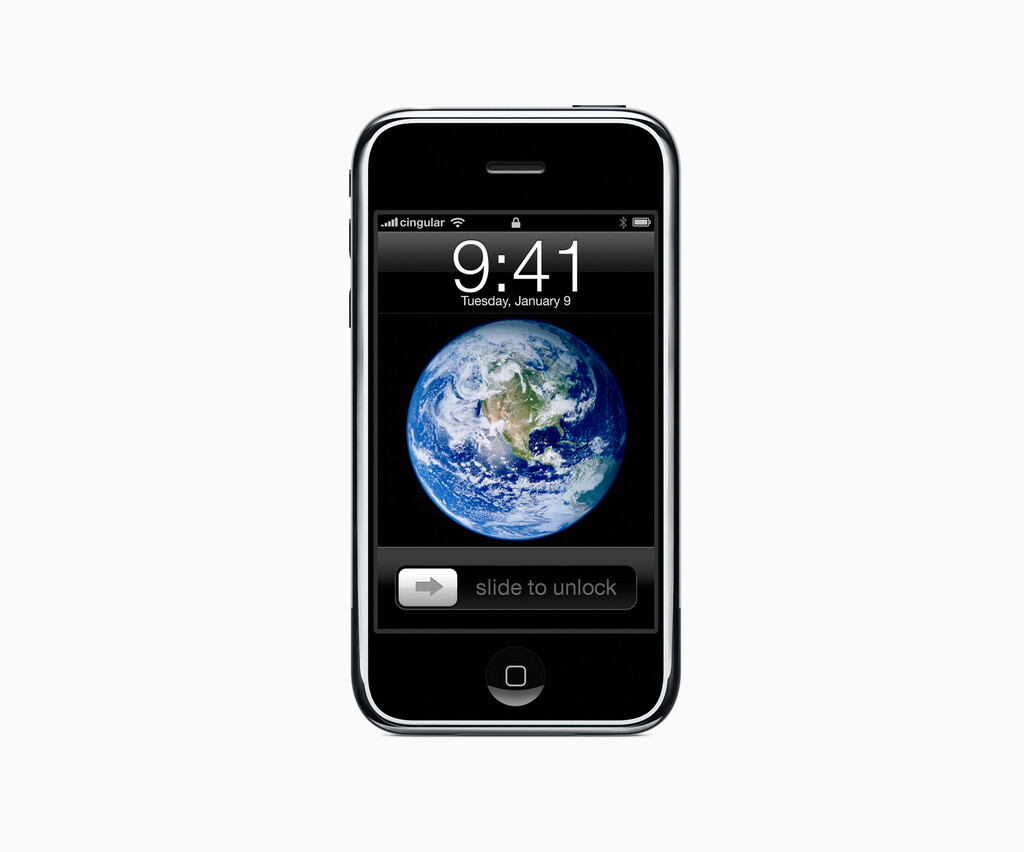
But the excitement was short-lived. In March 2025, Apple confirmed that the new Siri would not be available until 2026. When 2026 arrived, the company revealed that the update would still not reach Europe. These two announcements represented a sudden brake, and for many, it was not just a disappointment but a blow to the credibility Apple had cultivated for years.
Why It Matters: Credibility and the AI Race
Apple has long been known for under-promising and over-delivering. The Siri delay flips that narrative. In a market where Google, Microsoft, and OpenAI are shipping AI features rapidly, Apple's postponements suggest it is struggling to execute on its vision.
This matters because Siri is not just another feature—it is the primary interface for Apple's AI ambitions. A delayed, limited Siri undermines the entire Apple Intelligence story and raises questions about whether Apple can compete at the frontier of AI.
Moreover, the delay affects user trust. When Apple promises something and then pushes it back, customers and developers may become more skeptical of future announcements. That skepticism can slow adoption of new features and reduce the halo effect that Apple products traditionally enjoy.
The Steve Jobs Playbook: Lessons from the 2007 iPhone Launch
To understand Apple's current predicament, it is instructive to look back at the 2007 iPhone launch. Steve Jobs took the stage with an iPhone that barely worked, but a meticulously scripted demo saved the day. The lesson: Apple knows how to manage timing and stagecraft.
However, the Siri delay shows the limits of that playbook. A scripted demo can create excitement, but it cannot replace actual delivery. In the AI era, users expect continuous improvement and timely updates, not annual surprises.
Apple's challenge is to balance its traditional secrecy and showmanship with the need for transparency and rapid iteration in AI.
What to Watch Next: Apple's AI Roadmap
Despite the setbacks, Apple has significant assets: a massive user base, deep integration across devices, and a strong privacy stance. The company could still surprise with a compelling Siri update in 2026 or beyond.
Key things to watch include:
- Whether Apple provides a more detailed timeline for Siri's rollout in Europe and other regions.
- How Apple positions Apple Intelligence against competitors' AI features in marketing.
- Whether developers embrace or hesitate to build on Apple's AI frameworks.
- If Apple acquires or partners with AI startups to accelerate its capabilities.
- How Apple's privacy-focused approach resonates with users concerned about AI data usage.
These factors will determine whether the Siri delay is a temporary hiccup or a sign of deeper challenges. The longer history behind the story is traced in Over 65s Refusing to Retire: When Work Becomes a Lifeline.
Comparison: Apple's AI Timeline vs. Competitors
| Company | Key AI Announcement | Availability | Status |
|---|---|---|---|
| Apple | Apple Intelligence & new Siri | 2024 announced, Siri delayed to 2026 (not in Europe in 2026) | Delayed |
| OpenAI | ChatGPT | November 2022 | Widely available |
| Gemini | 2023 | Integrated across products | |
| Microsoft | Copilot | 2023 | Integrated into Office and Windows |
This table highlights how Apple's timeline lags behind competitors who have already shipped AI features to users. The background to this story is set out in Google and Samsung announced Smart Glasses with artificial intelligence. A related thread runs through AI Consciousness Debate: Why I Doubt Claude Is Truly Aware. Earlier coverage in Google Pixel Watch 4: Officially announced with big changes shows how the argument developed.
The Road Ahead for Apple
Apple's Siri delay is a cautionary tale about the challenges of AI development. The company must now navigate a landscape where credibility is hard-won and easily lost. By learning from its own history and focusing on execution, Apple can still become a major player in AI. A closer look at the same subject appears in Nvidia's $2.25B AI Investment: UK and Europe Strategy. Anyone following the wider picture can start with LG ThinQ Claw: AI Agent Makes Smart Homes Truly Intelligent. The same theme surfaces in China's STEM Engineer Strategy Gives It an AI Advantage, which takes a different angle.
For now, the world watches and waits to see if Apple can turn its promises into reality. Context on how this played out before sits in Siri AI: Apple's Slow But Ambitious Personal AI Assistant. A companion piece, Apple HomeView: Smart Home Hub with Upgraded Siri AI, approaches the same subject from another angle.
FAQ
When will the new Siri be available?
Apple confirmed in March 2025 that the new Siri would not be available until 2026. Later, the company revealed that it would not reach Europe in 2026 either, though no specific date has been announced.
Why is the Siri delay significant for Apple?
The delay undermines Apple's credibility, especially since the company promised a major AI transformation. It also highlights Apple's struggle to keep pace with competitors like Google and OpenAI in the AI race.
How does Apple's AI timeline compare to competitors?
Apple announced Apple Intelligence in 2024 but delayed Siri to 2026. In contrast, OpenAI launched ChatGPT in 2022, and Google and Microsoft have already integrated AI features into their products.
What can Apple do to regain credibility?
Apple can regain credibility by delivering on its promises, providing clear timelines, and demonstrating tangible AI improvements. Transparency and consistent updates will be key.
Browse the Shop
 Acacia frida deluxe solid wood bed frame |
Bedroom bench |
Bed chest drawers |
Lingerie dresser |
Frame base |
Mirror with jewelry storage |
30 Bathroom Vanity |
Memory foam queen mattress |
Mattresses for back pain |
Nightstand set of 2 |
Grand Goldman Shop |
Civil Lawyer
Deutschland Trikot WM 2026







