

For many, retirement is the golden goal after decades of work, but for a growing number of people over 65, it can feel like an existential abyss. Stories of seniors who continue working well past retirement age are capturing attention and sparking conversations about what retirement really means.
Take Leo, 79, who still runs the dried fruit and nut shop he opened 51 years ago with his husband. Or Amadeo, a 96-year-old tavern owner who may be Spain's oldest active hospitality worker. After a lifetime of work, he proudly says he's in love with the trade and that his work is a "game" that feeds him spiritually. These stories, shared by the social media account @comilonestv, have gone viral, resonating with thousands who see echoes of similar cases in their own communities.
Find Original Home Decor sparking conversation at Grand Goldman Shop.

Why Some Seniors Choose to Keep Working
The decision to work beyond retirement age is rarely just financial. For many, work provides a sense of identity, purpose, and social connection that retirement can't easily replace. Retirement can be a existential abyss for those whose lives have been defined by their profession. The loss of daily structure and social interaction can lead to feelings of emptiness and loss.
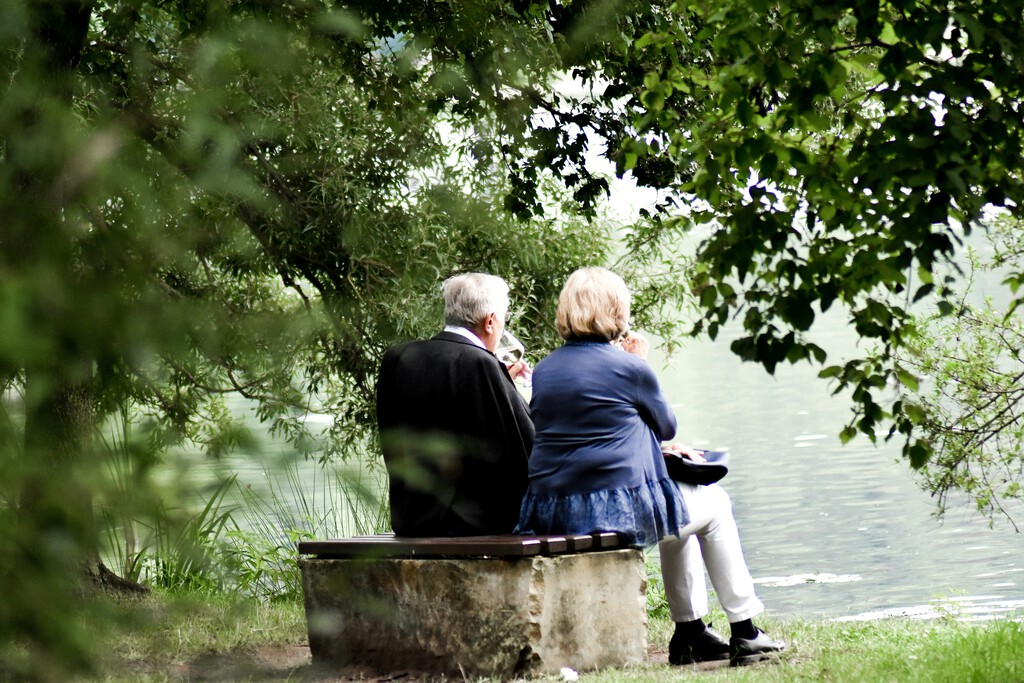
Moreover, advances in healthcare mean people are living longer and healthier lives. A 79-year-old today may have the energy and drive of someone much younger, making continued work a viable and desirable option. For entrepreneurs like Leo, the business is an extension of themselves—a legacy they've built over decades. Walking away isn't just about stopping work; it's about giving up a part of who they are.
The Impact on Businesses and the Economy
An aging workforce that chooses to stay active has significant implications for businesses. Older workers bring experience, wisdom, and a strong work ethic that are invaluable. They often serve as mentors to younger employees and provide stability in times of change. However, companies must also adapt to the needs of older workers, offering flexible schedules, age-friendly workplaces, and opportunities for gradual retirement.

From an economic perspective, seniors who continue working contribute to GDP and tax revenues, and they help fill labor shortages in certain sectors. But they also occupy positions that younger workers might otherwise fill, potentially slowing career progression for the next generation. It's a delicate balance that policymakers and business leaders must navigate.
Challenges Faced by Senior Workers
Despite their value, senior workers often face challenges. Ageism in hiring and promotion is still prevalent, and many older workers struggle to find new opportunities if they lose their jobs. Physical demands can also become a barrier, especially in manual labor or hospitality roles. Amadeo, at 96, is an exception; most people his age would find such work physically taxing.
Additionally, the decision to keep working may mask financial insecurity. Some seniors continue working not by choice but because they cannot afford to retire. This highlights the importance of robust pension systems and retirement savings to ensure that those who wish to stop working can do so with dignity.
The Psychological Benefits of Working Longer
For those who choose to continue working, the psychological benefits can be profound. Work provides a sense of purpose, keeps the mind sharp, and fosters social connections. Many seniors report feeling more fulfilled and engaged when they remain active in their professions. The routine and challenges of work can be a buffer against cognitive decline and loneliness.
However, it's crucial that this work is voluntary and fulfilling. When work becomes a burden or is driven by financial necessity, the benefits diminish. Society should support both those who wish to retire and those who wish to continue working, ensuring that the choice is truly free. The background to this story is set out in Japan's 5 Million Working Seniors Redefine Retirement. A related thread runs through France's Retirement Timebomb: Why Crisis Will Continue. Earlier coverage in Wife Refuses To Let Husband Take $14k From Her Account shows how the argument developed.
What to Watch Next
As populations age, the debate around retirement will only intensify. We can expect to see more stories like Leo's and Amadeo's, challenging our preconceptions about aging and work. Companies that embrace age diversity and create inclusive environments for older workers will be better positioned to thrive in this changing landscape. Policymakers must also adapt, designing systems that support flexible retirement and lifelong learning. A closer look at the same subject appears in Jimmy Anderson's Stubborn Refusal to Retire Fuels His Greatest. Anyone following the wider picture can start with Retirement Savings Crisis: Why Many Workers Can't Afford to Retir. The same theme surfaces in Business: latest articles, which takes a different angle.
Ultimately, the decision to retire or keep working is deeply personal. What matters is that people have the freedom to choose the path that brings them meaning and security, whether that's in the office, the shop, or the tavern. Context on how this played out before sits in Guaranteed Pension Income Revived for 17 Million Workers. A companion piece, Gen Z Workplace Challenges: 95% of Young Workers Bend the Rules, approaches the same subject from another angle.
FAQ
Why do some people over 65 refuse to retire?
Many continue working because they find purpose, identity, and social connection in their jobs. For entrepreneurs like Leo, the business is a lifelong passion. Others may keep working due to financial necessity or a desire to stay active and engaged.
What are the benefits of working past retirement age?
Working can provide mental stimulation, social interaction, and a sense of accomplishment. It can also help maintain cognitive health and financial stability. For society, older workers contribute experience and fill labor gaps.
What challenges do senior workers face?
Ageism, physical demands, and lack of opportunities for advancement are common challenges. Some seniors may also feel forced to work due to inadequate retirement savings.
How can businesses support older workers?
Businesses can offer flexible schedules, age-friendly workplaces, and opportunities for mentoring and gradual retirement. Creating an inclusive culture that values experience is key.
Browse the Shop
 Acacia frida deluxe solid wood bed frame |
Bedroom bench |
Bed chest drawers |
Lingerie dresser |
Frame base |
Mirror with jewelry storage |
30 Bathroom Vanity |
Memory foam queen mattress |
Mattresses for back pain |
Nightstand set of 2 |
Grand Goldman Shop |
Civil Lawyer
Deutschland Trikot WM 2026







