

China is signaling a strategic shift in its global trade approach after posting a historic $1.2 trillion trade surplus in 2025, a figure that has intensified tensions with major economic partners while reinforcing Beijing’s dominance in global manufacturing.
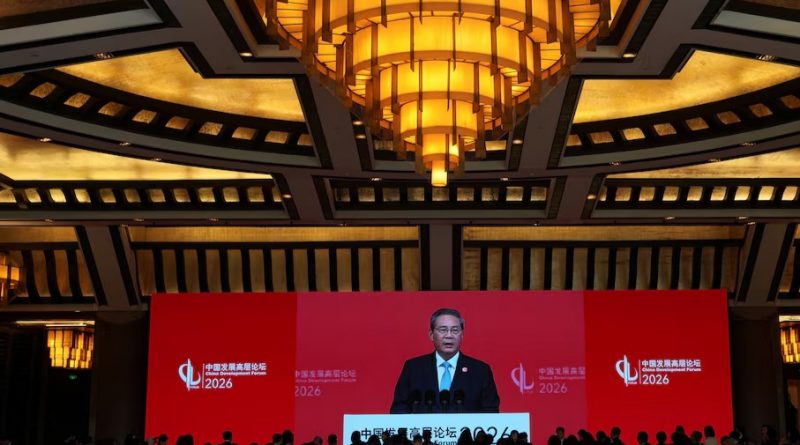
At a high-profile economic forum in Beijing, Premier Li Qiang outlined a new direction: more balanced trade, increased imports, and stronger protections for foreign businesses. The message is clear—China is responding to mounting global scrutiny while trying to stabilize its economic relationships.
Find Bleeding Edge Supplements at Scandalous Prices on iHerb.

A Record Surplus Raises Global Pressure
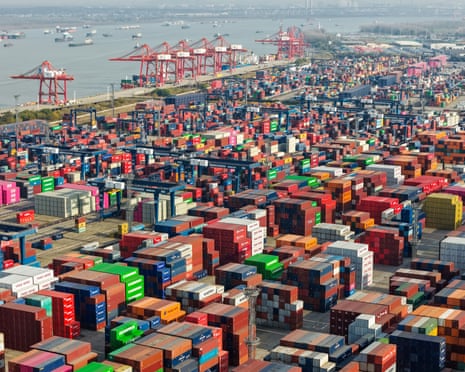
China’s trade surplus has surged to unprecedented levels, driven by resilient exports and relatively weaker import growth. In 2025 alone, exports reached nearly $3.77 trillion, while imports lagged behind, widening the gap significantly.
Early 2026 data suggests the trend is continuing. China posted a $213.6 billion surplus in just the first two months of the year, far exceeding expectations.
Key Drivers Behind the Surge
- Export strength in high-tech sectors: Electric vehicles, semiconductors, and solar products are leading growth
- Global demand shifts: Increased exports to Southeast Asia, Europe, and Africa offset U.S. tariff impacts
- Industrial scale advantage: China’s manufacturing ecosystem remains unmatched globally
Despite tariffs and geopolitical tensions, China has adapted by redirecting trade flows and expanding into emerging markets.
Beijing’s Strategic Pivot Toward “Balanced Trade”
Facing criticism from the United States and European Union over trade imbalances, Beijing is now signaling a recalibration.
At the China Development Forum, Li pledged that China would:
- Increase imports of “high-quality” foreign goods
- Promote more balanced global trade flows
- Ensure equal treatment for foreign companies operating in China
This marks a notable shift from an export-heavy growth model toward a more reciprocal trade framework.
Why the Shift Matters
The trade surplus has become a diplomatic flashpoint. Western economies argue that China’s overcapacity in manufacturing is distorting global markets and contributing to job losses abroad.
By emphasizing imports and openness, China aims to:
- Reduce political pressure from key trading partners
- Maintain access to foreign markets
- Reinforce its image as a stable global economic leader

Foreign Investment Concerns Drive Policy Changes
China’s pivot is also driven by weakening foreign investment.
Foreign direct investment (FDI) fell sharply in early 2026, including a 5.7% drop in January alone.
To reverse this trend, Beijing is rolling out new incentives:
- Expansion of investment-friendly sectors (over 200 added)
- Focus on advanced manufacturing and green technology
- Promises of improved intellectual property protection
Commerce officials have also pledged greater policy transparency to rebuild trust among multinational corporations.
Major Global Firms Watching Closely
Executives from leading companies—including Apple, Samsung, Volkswagen, HSBC, and UBS—attended the Beijing forum, signaling continued interest despite rising risks.
China’s pitch is straightforward: it remains one of the world’s largest and most dynamic consumer and industrial markets.

Trade Tensions Still Loom Large
Even as China promotes openness, geopolitical risks remain high.
Recent trade talks between Washington and Beijing have been described as “constructive,” with discussions covering agriculture, energy, and critical minerals.
However, underlying issues persist:
- U.S. tariffs on Chinese goods
- European concerns over industrial overcapacity
- Supply chain dependencies on Chinese manufacturing
The U.S.-China Factor
The relationship between the world’s two largest economies remains the biggest variable.
China has shown willingness to increase imports of U.S. agricultural goods and cooperate on trade frameworks, but both sides remain cautious.
Any escalation could quickly derail China’s push for a more balanced trade model.
Domestic Challenges Add Pressure
China’s trade shift is also influenced by internal economic concerns.
While exports remain strong, domestic demand is still fragile:
- Retail sales growth remains modest
- Youth unemployment is elevated
- The property sector continues to struggle
This imbalance has forced policymakers to rely heavily on external demand—making trade tensions even more consequential.
Economic Rebalancing Goals
China’s long-term strategy includes:
- Boosting domestic consumption
- Reducing reliance on exports
- Advancing high-tech industries and AI integration
These goals align with its broader economic plan through 2030.
A Global Messaging Campaign
China is also reshaping its global narrative.
At the Beijing forum, officials positioned the country as a “harbour of stability” amid global uncertainty, highlighting its role as a reliable supply chain hub.
This messaging is aimed at:
- Multinational corporations seeking predictable markets
- Countries navigating geopolitical instability
- Investors wary of global economic volatility
What Comes Next
China’s trade shift is still in its early stages, but several trends are emerging:
Short-Term Outlook
- Continued strong export performance in 2026
- Gradual increase in imports to ease tensions
- Ongoing negotiations with major trade partners
Long-Term Implications
- Potential reshaping of global trade balances
- Increased competition in high-tech industries
- Greater scrutiny of China’s economic policies
Key Takeaways
| Factor | Impact |
|---|---|
| Record trade surplus | Heightened global tensions |
| Policy shift toward imports | Attempt to rebalance trade |
| Declining foreign investment | Driving pro-business reforms |
| Strong exports | Sustaining economic growth |
| Weak domestic demand | Limiting internal recovery |
Conclusion
China’s record-breaking trade surplus has become both a strength and a liability. While it underscores the country’s manufacturing dominance, it has also triggered international backlash and exposed structural imbalances.
By pledging greater openness and more balanced trade, Beijing is attempting to recalibrate its economic strategy without sacrificing growth. Whether this shift succeeds will depend on global cooperation, domestic reforms, and the fragile balance of geopolitical forces shaping the world economy.
Read next - Business
Musk Offers TSA Payment | Powell on Inflation | China Trade Shift | Pinterest Under-16 Ban | Iran Energy Shock
Browse the Shop
 Acacia frida deluxe solid wood bed frame |
Bedroom bench |
Bed chest drawers |
Lingerie dresser |
Frame base |
Mirror with jewelry storage |
30 Bathroom Vanity |
Memory foam queen mattress |
Mattresses for back pain |
Nightstand set of 2 |
Grand Goldman Shop |
Civil Lawyer
Deutschland Trikot WM 2026
Acacia frida deluxe solid wood bed frame |
Bedroom bench |
Bed chest drawers |
Lingerie dresser |
Frame base |
Mirror with jewelry storage |
30 Bathroom Vanity |
Memory foam queen mattress |
Mattresses for back pain |
Nightstand set of 2 |
Grand Goldman Shop |
Civil Lawyer
Deutschland Trikot WM 2026










