

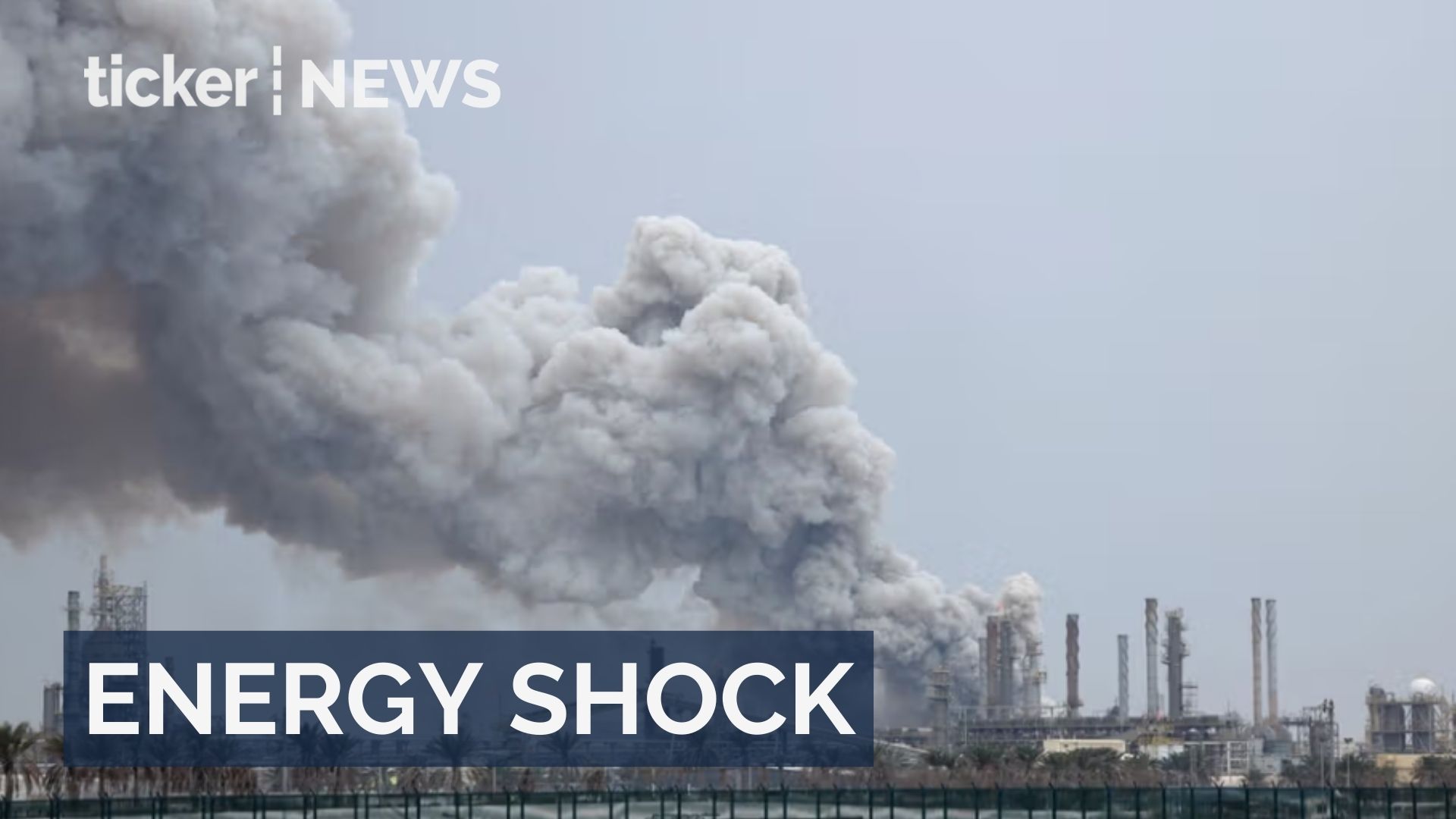
The ongoing conflict involving the United States, Israel, and Iran has rapidly transformed into one of the most significant disruptions in global energy markets in recent decades.
What began as a targeted military escalation has rippled through supply chains, triggered historic price spikes, and reshaped government energy strategies worldwide. This article distills the latest developments in how the Iran war is generating a global energy shock and pushing prices sharply higher.
Find Original, High-end Home Decor that spark conversation at Grand Goldman Shop.


A Historic Disruption to Global Energy Flows
The conflict escalated significantly in late February 2026 when U.S. and Israeli forces launched attacks on Iranian military infrastructure, provoking broad retaliation and heightened tensions across the Persian Gulf. In response to mounting hostilities, Iran effectively closed or severely restricted shipping through the Strait of Hormuz — the narrow sea passage through which roughly 20 % of the world’s oil and liquefied natural gas (LNG) exports transit.
This strategic chokepoint’s disruption has reverberated through oil and gas markets, leading to:
- Immediate spikes in crude oil prices, with Brent crude surpassing $100 per barrel, its highest level in four years.
- Natural gas and LNG prices surging in Europe and Asia as supply routes falter.
- Shipping disruptions and tanker traffic declines, with hundreds of cargoes anchored outside the Gulf amid safety concerns and insurance cost hikes.
Oil markets experienced perhaps the largest price reaction to Middle East conflict since the 1970s oil crises, prompting emergency measures from energy authorities around the world.
Why the Strait of Hormuz Matters
The Strait of Hormuz is a lifeline for global energy supplies. It sits between Iran and Oman and connects Persian Gulf oil producers with global markets. Nearly one-fifth of the world’s crude and LNG flows through this narrow channel every day. Blockades or restrictions here immediately reduce available supply, sending price signals across markets.
Key facts about the Strait and its role:
| Statistic | Detail |
|---|---|
| Daily crude & LNG flow | ~20 % of global exports |
| Primary recipients | Asia (China, India, Japan, South Korea) |
| Price sensitivity | Oil could exceed $100 per barrel if disruptions persist |
Analysts warn that sustained blockage — even partial — could have lasting effects on inflation, economic growth, and consumer energy costs.

Price Surge: Oil, Gas and Inflation
Energy markets reacted immediately as conflict intensified:
- Crude oil prices surged over 10–13 % early in the crisis, with some benchmarks reaching near-record levels.
- European natural gas futures jumped sharply, in some sessions up 30 % or more, reflecting tighter LNG supply.
- Central banks face mounting inflationary pressures as fuel costs contribute to broader price increases across sectors like transportation, manufacturing, and food production.
These shifts are influencing not just energy markets but broader macroeconomic indicators. Central banks already navigating high inflation now face added complexity with energy costs rising due to supply disruptions rather than domestic demand.
Government and Policy Responses
Governments worldwide are deploying a mix of immediate and strategic responses to cushion the shock:
Strategic Reserve Releases
- International Energy Agency members agreed to release hundreds of millions of barrels from emergency reserves to stabilize markets.
- The U.S. also tapped its own strategic petroleum reserves in an effort to dampen price spikes and ease inflation.
Diversification and Security Measures
Countries are accelerating efforts to reduce reliance on volatile Middle East supplies:
- Europe is revisiting nuclear energy and boosting renewables to reduce import dependency.
- Asia Pacific nations are expanding renewable energy rollouts and LNG storage capacity to strengthen energy security.
Military Protection of Shipping Routes
Efforts are under discussion among global powers to protect shipping lanes. U.S. officials have called on allied navies to help keep the Strait of Hormuz open for commercial traffic.
Broader Economic and Strategic Consequences
The conflict’s energy impact is tightly interwoven with global geopolitics and economic stability:
- Inflation and cost-of-living pressures are rising as fuel costs feed into consumer prices worldwide.
- Stock markets drift lower in major European and Asian indices amid energy uncertainty.
- Global supply chains are strained, with energy-intensive industries like chemicals, agriculture, and transportation feeling the effects.
Economists warn that prolonged instability could push some sectors toward recession if energy costs climb uncontrollably. Some forecasts suggest oil could reach $150–$200 per barrel in extreme scenarios, though these remain contingent on the duration and geographical spread of the conflict.
Long-Term Implications: Energy Transition and Security
One lasting outcome of the energy shock may be a renewed push toward cleaner energy systems. Policymakers and analysts increasingly argue that renewable energy and diversified energy sources are crucial for economic resilience against geopolitical shocks.
Countries heavily reliant on imported fossil fuels are accelerating investment into wind, solar, and nuclear technologies — not just for climate goals but for economic stability and energy independence.
Conclusion
The Iran conflict has triggered one of the most profound disruptions to global energy markets in decades, highlighting how geopolitical conflicts can instantly ripple through interconnected energy supply chains.
With oil and gas prices surging and strategic reserve releases underway, nations are reassessing how to secure energy in a volatile world. Beyond short-term responses, the shock may catalyze deeper shifts toward diversified and cleaner energy systems — a structural transformation long discussed but rarely so urgently demanded by market realities.
Read next - Business
Musk Offers TSA Payment | Powell on Inflation | China Trade Shift | Pinterest Under-16 Ban | Iran Energy Shock
Browse the Shop
 Acacia frida deluxe solid wood bed frame |
Bedroom bench |
Bed chest drawers |
Lingerie dresser |
Frame base |
Mirror with jewelry storage |
30 Bathroom Vanity |
Memory foam queen mattress |
Mattresses for back pain |
Nightstand set of 2 |
Grand Goldman Shop |
Civil Lawyer
Deutschland Trikot WM 2026
Acacia frida deluxe solid wood bed frame |
Bedroom bench |
Bed chest drawers |
Lingerie dresser |
Frame base |
Mirror with jewelry storage |
30 Bathroom Vanity |
Memory foam queen mattress |
Mattresses for back pain |
Nightstand set of 2 |
Grand Goldman Shop |
Civil Lawyer
Deutschland Trikot WM 2026










