

One in every five induction hobs sold worldwide is manufactured in Zaragoza, Spain, at a BSH factory that has been the epicenter of induction cooking technology for over 36 years. The Montañana plant, located on the outskirts of the city, is the largest production center for this technology globally, and a recent visit shed light on the magic behind induction heating.
Induction hobs use electromagnetic fields to heat cookware directly, leaving the surface cooler than traditional electric or gas stoves. This technology, once considered futuristic, is now a staple in modern kitchens, and the Zaragoza factory has played a pivotal role in its evolution.
Find Original Home Decor sparking conversation at Grand Goldman Shop.

The Birthplace of Induction Cooking Innovation
The Montañana factory developed the first induction hob for the consumer market more than three decades ago. Since then, it has become a symbol of technological prowess and local pride, deeply intertwined with the city of Zaragoza.
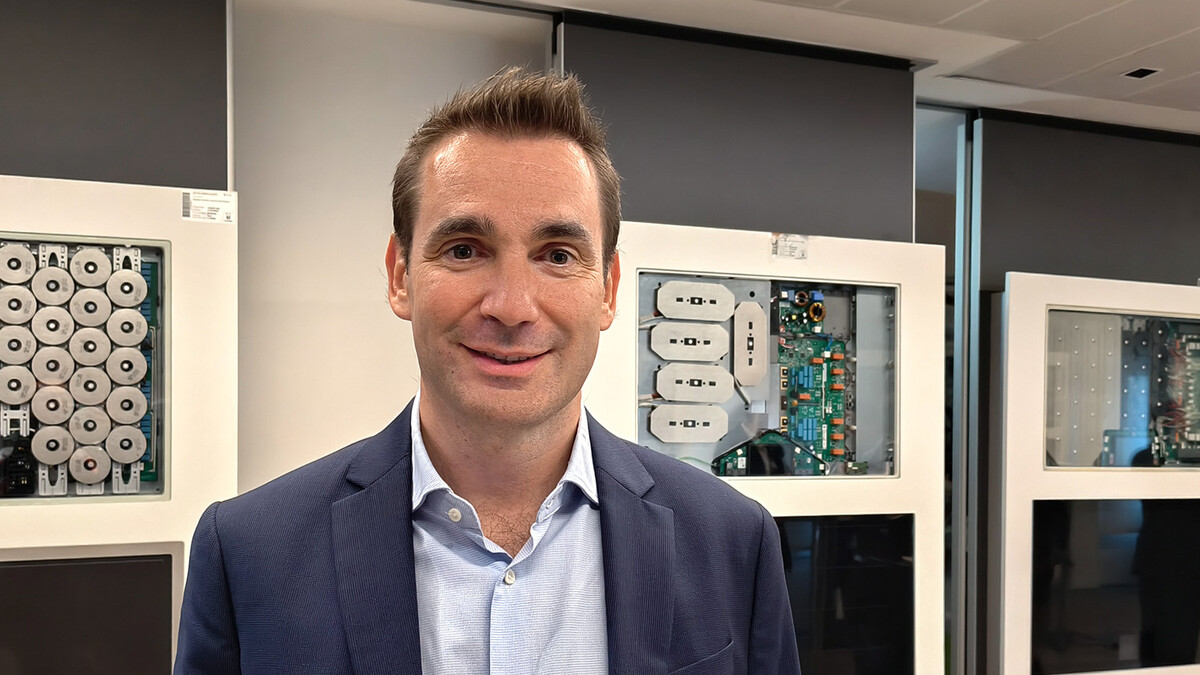
Nacho Esteras, production manager at BSH, has been with the factory since 1988. He witnessed firsthand the transformations that have shaped the industry. "I've lived through many of the changes we see today," he said during the tour. His story reflects the factory's enduring connection to its workforce and community.
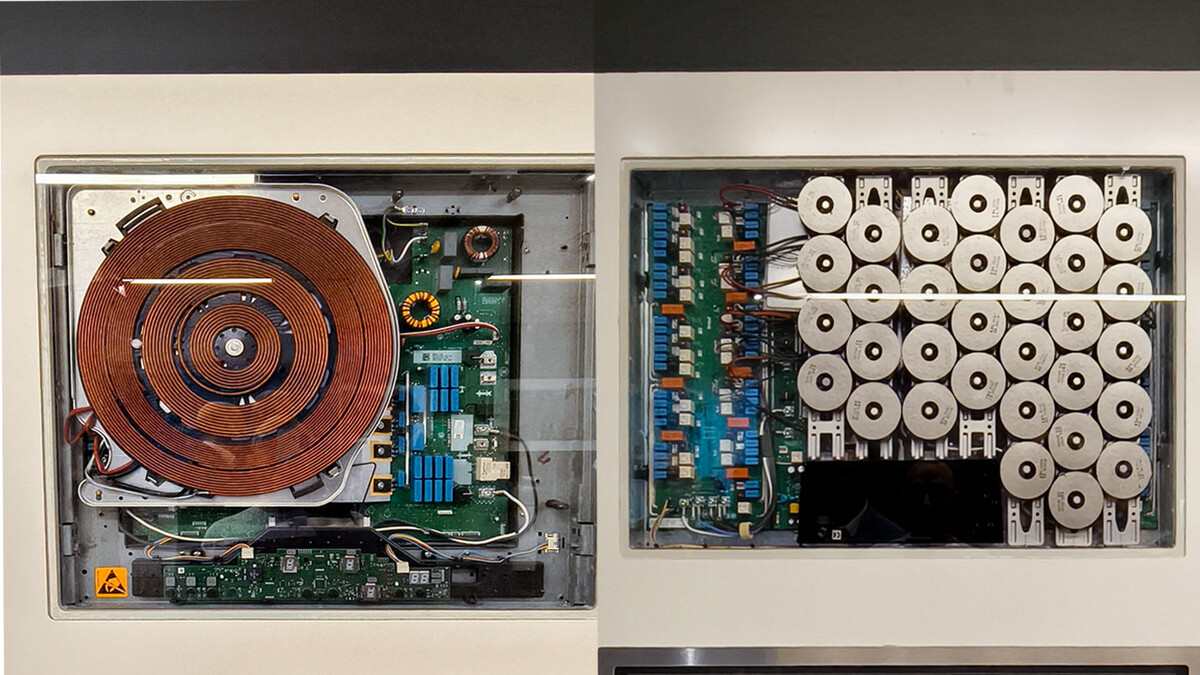
BSH, the parent company of brands like Bosch, Siemens, Balay, Neff, Gaggenau, and Thermador, has leveraged the Zaragoza plant to drive innovation in induction technology. The factory not only produces hobs but also serves as a research and development hub for future advancements.
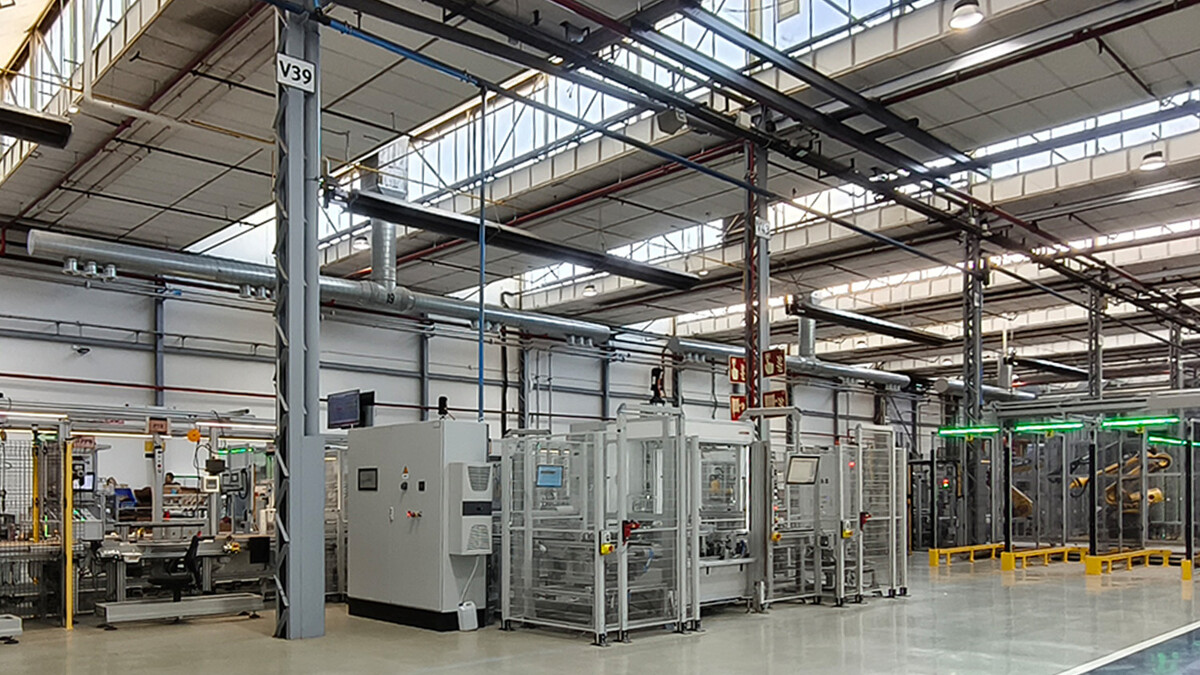
Inside the Production Process
Safety is paramount during any factory visit, and donning a vest is mandatory. The tour begins with an overview of the production line, where raw materials are transformed into sleek, high-tech cooking surfaces.
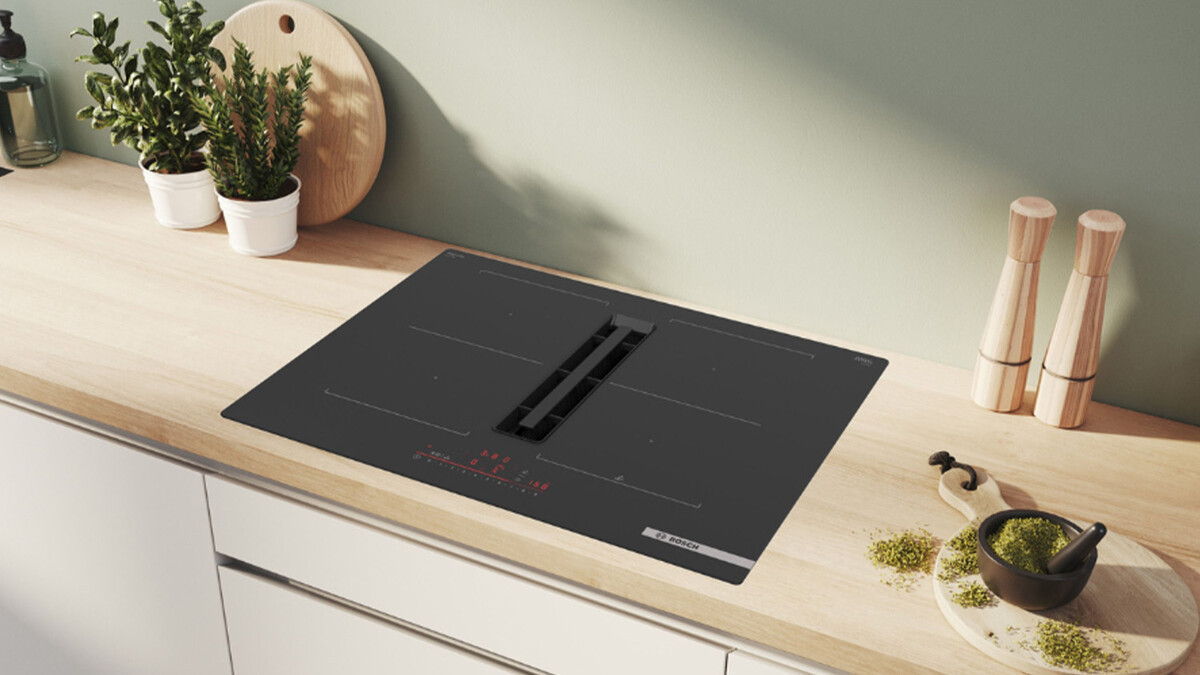
Each induction hob undergoes rigorous testing to ensure quality and performance. The process combines automated machinery with skilled manual labor, reflecting the precision required for such advanced appliances.
- Automated assembly: Robotic arms handle delicate components with high accuracy.
- Quality control: Every unit is tested for electrical safety and heating efficiency.
- Customization: Production lines adapt to different brands and models, from budget-friendly to premium.
- Sustainability: The factory emphasizes energy efficiency and waste reduction in its operations.
- Innovation: R&D teams continuously work on next-generation features like smart connectivity.
Why Induction Technology Matters
Induction cooking is more than a trend; it's a shift toward safer, more efficient kitchens. Unlike gas stoves, induction hobs don't produce open flames, reducing the risk of burns and indoor air pollution. They also heat up faster and offer precise temperature control.
As energy costs rise and environmental concerns grow, induction hobs are becoming a preferred choice for eco-conscious consumers. The Zaragoza factory's output helps meet this global demand, making advanced cooking technology accessible to more households.
Comparing Induction Hobs: Key Features
When choosing an induction hob, consumers should consider several factors. The table below outlines typical specifications across different models produced at the Zaragoza plant. The background to this story is set out in Lagarto Soap Factory in Zaragoza Closes After 50 Years. A related thread runs through Australian Manufacturing Future: Innovation and Advanced Technology. Earlier coverage in Germany's Auto Industry: Why Manufacturers Now Avoid shows how the argument developed.
| Feature | Entry-Level | Mid-Range | Premium |
|---|---|---|---|
| Number of Zones | 2-4 | 4 | 4-5 with flex zones |
| Power (Watts) | 2,800-3,600 | 3,600-7,200 | 7,200+ with boost |
| Smart Features | Basic touch controls | Timer, child lock | Wi-Fi, app control, auto-pan detection |
| Price Range | $300-$600 | $600-$1,200 | $1,200-$2,500+ |
The Future of Induction Manufacturing
The Zaragoza factory is not resting on its laurels. With a focus on smart home integration and energy efficiency, BSH aims to maintain its lead in the induction market. The plant is also a testament to European manufacturing resilience, competing with lower-cost producers through innovation and quality. A closer look at the same subject appears in Chinese Car Manufacturing Cost Advantage: A Threat to Traditional Automakers. Anyone following the wider picture can start with Microsoft Data Center in Zaragoza Faces Neighborhood Backlash. The same theme surfaces in Zaragoza Launches 39 Data Center Courses to Fill Staffing Gap, which takes a different angle.
As the world transitions to cleaner energy, induction technology is poised to play a larger role in residential kitchens. The Montañana factory, with its decades of expertise, is well-positioned to meet that demand. Context on how this played out before sits in Hiut Denim Revives Welsh Jeans Manufacturing and Jobs. A companion piece, Wild Boar Crashes Zaragoza Pilares Festival Bar Crawl, approaches the same subject from another angle.
FAQ
What is an induction hob and how does it work?
An induction hob uses electromagnetic fields to heat pots and pans directly, rather than heating the surface. This makes it faster, safer, and more energy-efficient than traditional electric or gas stoves.
Why is the Zaragoza factory significant in induction manufacturing?
The Zaragoza factory is the world's largest production center for induction hobs, producing one in five units globally. It developed the first consumer induction hob over 36 years ago and continues to lead in innovation.
What brands are produced at the Zaragoza BSH factory?
The factory produces induction hobs for BSH brands including Bosch, Siemens, Balay, Neff, Gaggenau, and Thermador, catering to various market segments.
How does induction cooking benefit the environment?
Induction cooking is more energy-efficient than gas or traditional electric, reducing greenhouse gas emissions. It also improves indoor air quality by eliminating combustion byproducts.
Browse the Shop
 Acacia frida deluxe solid wood bed frame |
Bedroom bench |
Bed chest drawers |
Lingerie dresser |
Frame base |
Mirror with jewelry storage |
30 Bathroom Vanity |
Memory foam queen mattress |
Mattresses for back pain |
Nightstand set of 2 |
Grand Goldman Shop |
Civil Lawyer
Deutschland Trikot WM 2026







