

Japan's equal pay push is emerging as a strategic response to a severe labor shortage, marking a significant shift in the country's corporate landscape. With a declining birthrate and an aging population, Japanese companies are facing an unprecedented challenge: they need workers, and they can no longer afford to overlook the female half of the workforce.
This demographic crunch has forced firms to consider a measure not seen in two decades: equalizing salaries between men and women. The move is both a practical necessity and a signal of changing times.
Find Original Home Decor sparking conversation at Grand Goldman Shop.

Why Japan's Labor Shortage Is a Ticking Time Bomb
Japan's labor force is shrinking at an alarming rate. The country's low birthrate means fewer young people entering the workforce each year, while the elderly population continues to grow. This creates a double-edged sword: companies need more workers to sustain economic growth, but the pool of available talent is drying up.
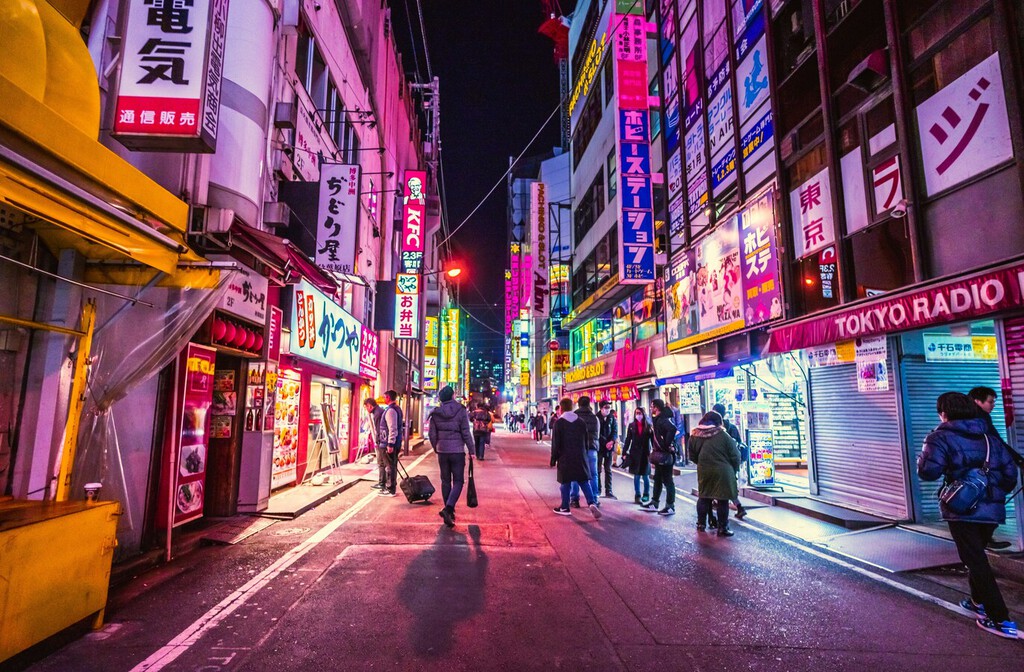
As a result, businesses are being forced to rethink their hiring and retention strategies. The equal pay initiative is not just about fairness—it's about survival. By attracting and retaining female talent, companies can fill critical gaps and maintain productivity.
The Equal Pay Shift: A Radical Departure from the Past
For decades, Japan's gender pay gap has been one of the widest among developed nations. Women were often relegated to non-regular positions with lower pay and fewer opportunities for advancement. But the current labor shortage has upended this dynamic.
Major financial firms like Nippon Life Insurance and MUFG have taken the lead by eliminating professional categories that historically underpaid women. This move is unprecedented in recent history and signals a broader shift in corporate attitudes.
What's Driving the Change?
Beyond the practical need to attract talent, there's a strong economic incentive. Japan is increasingly capturing ESG (Environmental, Social, and Governance) investments flowing out of the US, especially as diversity, equity, and inclusion (DEI) policies face pushback there. By promoting gender equality, Japanese firms position themselves as attractive destinations for ESG-focused capital.
How Equal Pay Helps Attract Female Talent
Equal pay is a powerful tool for attracting women who might otherwise opt out of the workforce or choose employers with better compensation. In a tight labor market, companies that offer fair wages and clear career paths stand out.
Moreover, equal pay sends a message that women are valued and can aspire to leadership roles. This can help change Japan's corporate culture, which has long been criticized for being male-dominated.
The ESG Investment Angle
ESG investing has become a major force in global finance, and Japan is eager to attract these funds. With the US retreating from some ESG commitments, Japan sees an opportunity to lead.
By closing the gender pay gap, Japanese companies can improve their ESG ratings and appeal to investors who prioritize social responsibility. This, in turn, can drive more investment into Japan's economy. The background to this story is set out in Japan's 100,000 Centenarians Reveal a Growing Labor Shortage Crisis. A related thread runs through Japan's 10 Million Robot Plan to Solve Its Labor Shortage by 2040. Earlier coverage in Would Equal Pay Create a Better Society? Exploring the Impact shows how the argument developed.
Challenges and What to Watch Next
Despite the progress, challenges remain. Implementing equal pay across all industries will take time and face resistance. Smaller companies may struggle to afford higher wages, and cultural norms may be slow to change. A closer look at the same subject appears in Boxer Chantelle Cameron on Equal Pay and Three-Minute Rounds. Anyone following the wider picture can start with Equal Pay Impact: Would It Create a Better Society. The same theme surfaces in Next Overturns Equal Pay Ruling: Impact on UK Retail Wages, which takes a different angle.
However, the momentum is clear. As more firms follow the lead of Nippon Life and MUFG, pressure will mount on others to do the same. The coming years will reveal whether this shift becomes a permanent fixture of Japan's labor market. Context on how this played out before sits in TSMC's Chip Factory Expansion Hits a Labor Shortage Wall. A companion piece, Japan Tourist Boom: Only 17% of Japanese Hold a Passport, approaches the same subject from another angle.
Key Takeaways
- Japan's labor shortage is forcing companies to equalize pay between men and women.
- Major firms like Nippon Life and MUFG have eliminated pay categories that disadvantaged women.
- Equal pay helps attract female talent and boosts ESG investment appeal.
- Challenges remain, but the trend is gaining momentum.
Comparison of Gender Pay Gap Policies
| Country | Gender Pay Gap (2023) | Recent Policy Changes |
|---|---|---|
| Japan | 21.3% | Equal pay initiatives in finance sector |
| USA | 17% | DEI rollbacks in some states |
| Germany | 14% | Pay transparency laws |
FAQ
Why is Japan equalizing pay between men and women?
Japan is facing a severe labor shortage due to its low birthrate and aging population. To attract and retain female talent, companies are equalizing pay as a practical solution.
Which companies have implemented equal pay?
Major financial firms like Nippon Life Insurance and MUFG have eliminated professional categories that historically underpaid women.
How does equal pay relate to ESG investing?
Japan is attracting ESG investments by improving social metrics, including gender equality. This positions Japanese firms favorably as ESG funds flow out of the US.
What challenges remain for equal pay in Japan?
Smaller companies may struggle with higher wage costs, and cultural norms may resist change. However, momentum is building as more firms adopt equal pay.
Browse the Shop
 Acacia frida deluxe solid wood bed frame |
Bedroom bench |
Bed chest drawers |
Lingerie dresser |
Frame base |
Mirror with jewelry storage |
30 Bathroom Vanity |
Memory foam queen mattress |
Mattresses for back pain |
Nightstand set of 2 |
Grand Goldman Shop |
Civil Lawyer
Deutschland Trikot WM 2026







