

Microsoft has published a draft Code of Conduct for AI models, marking a significant shift in how the tech giant approaches artificial intelligence development. The move comes as several leading AI companies begin to openly discuss the need for limits on their most powerful systems.
For years, the industry mantra was simple: more. Faster, bigger, more powerful, and more pervasive. Now, some of the biggest players in the United States are pumping the brakes and asking whether unchecked acceleration is wise.
Find Original, High-end Home Decor that spark conversation at Grand Goldman Shop.
Why Microsoft's Code of Conduct Matters
Microsoft's draft code is being described as an ethical instruction manual for future models—almost like a modern set of commandments. It signals that the company wants to formalize its commitment to responsible AI development.
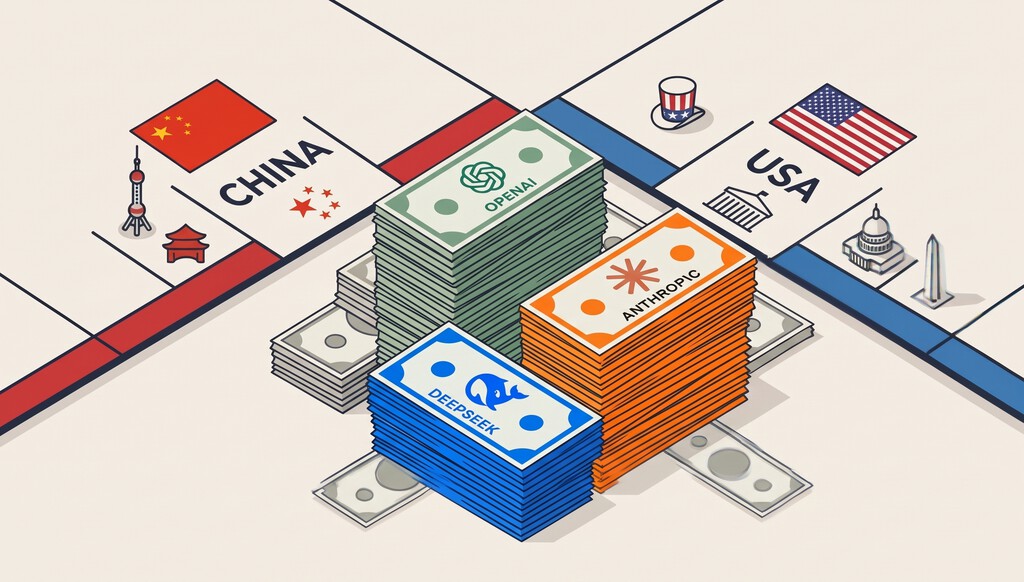
The code arrives amid growing scrutiny of AI's rapid advancement. Companies face pressure from regulators, researchers, and the public to ensure their systems are safe before deployment.
Other AI Giants Have Already Set Limits
Microsoft is not the first to adopt such guidelines. Anthropic introduced its Responsible Scaling Policy in 2023, pledging not to train powerful models without first ensuring they can be safely controlled.
OpenAI also implemented rules after an internal crisis in which employees signed a letter warning about the dangers of scaling technology too quickly. Google DeepMind followed suit in 2024 with its Frontier Safety Framework.
These moves suggest a broader industry trend: companies are recognizing that responsible scaling is essential for long-term success and public trust.
Key Elements of AI Codes of Conduct
While details of Microsoft's code are still emerging, similar frameworks typically include commitments to safety testing, transparency, and third-party oversight. Here are the common threads:
- Safety evaluations before training or deploying powerful models.
- Transparency reports on capabilities and risks.
- External audits by independent researchers.
- Red lines on applications deemed too dangerous.
- Ethical guidelines for model behavior and use cases.
These elements aim to balance innovation with precaution, ensuring that progress does not come at the expense of safety.
What This Means for the AI Industry
The shift toward formal codes of conduct could reshape how AI companies operate. It may lead to more collaboration on safety standards and greater accountability.
However, critics argue that voluntary codes lack enforcement. Without regulation, companies could still prioritize speed over safety. The industry's next challenge will be turning these principles into practice.
| Company | Initiative | Year |
|---|---|---|
| Anthropic | Responsible Scaling Policy | 2023 |
| OpenAI | Internal safety rules | 2023 |
| Google DeepMind | Frontier Safety Framework | 2024 |
| Microsoft | Code of Conduct (draft) | 2025 |
As more companies adopt such codes, the AI landscape may become more standardized and safety-focused. But the real test will be in implementation and transparency. Context on how this played out before sits in Microsoft Sets AI Limits: New Code of Conduct for Models.
What to Watch Next
Microsoft's final code, expected after the draft period, will be closely watched. How it enforces the code and whether it influences competitors could set a precedent. The background to this story is set out in Microsoft AI Code of Conduct Sets New Limits on Model Training. A related thread runs through Business: latest articles.
Meanwhile, regulators in the US and Europe are developing their own AI rules. The interplay between voluntary industry codes and government regulation will shape the future of AI governance. Earlier coverage in Atresmedia's Best Investment: Selling Fever Stake for €227M shows how the argument developed. A closer look at the same subject appears in Oxford Street Pedestrianisation: What It Means for London.
For now, Microsoft's move is a clear signal: even the biggest accelerators are acknowledging that limits are necessary. Anyone following the wider picture can start with Leaked AfD Files Reveal Decade-Long Courtship of Trump and MAGA. The same theme surfaces in AI Fear Comes From Not Understanding How It Works, which takes a different angle.
FAQ
What is Microsoft's Code of Conduct for AI?
It is a draft set of ethical guidelines that Microsoft plans to apply to its future AI models, covering safety, transparency, and responsible development.
Why are AI companies suddenly talking about limits?
Companies face growing pressure to ensure AI safety and maintain public trust. Internal warnings and external scrutiny have prompted a shift toward responsible scaling.
How does Microsoft's code compare to others?
It is similar in spirit to Anthropic's Responsible Scaling Policy and Google DeepMind's Frontier Safety Framework, focusing on pre-deployment safety evaluations and transparency.
Will these codes be enforceable?
Voluntary codes lack legal enforcement, but they can set industry norms and influence future regulation. The effectiveness depends on companies' commitment to transparency and third-party oversight.
Browse the Shop
 Acacia frida deluxe solid wood bed frame |
Bedroom bench |
Bed chest drawers |
Lingerie dresser |
Frame base |
Mirror with jewelry storage |
30 Bathroom Vanity |
Memory foam queen mattress |
Mattresses for back pain |
Nightstand set of 2 |
Grand Goldman Shop |
Civil Lawyer
Deutschland Trikot WM 2026










