

In 1989, New York launched an ambitious experiment to build asphalt rubber roads using crumb rubber from old tires. The goal was to create more durable pavements while reducing a growing waste problem. Three years later, engineers concluded the idea was neither satisfactory nor cost-effective.
The story begins with a 1987 state law that required the New York State Department of Transportation to study rubber-modified asphalt. In the summer of 1989, the department set up two experimental projects to test whether tire rubber could improve road performance.
Find Original Home Decor sparking conversation at Grand Goldman Shop.

What Were the Asphalt Rubber Road Projects?
Each project included five sections of 2,000 feet (about 610 meters), totaling roughly 6.1 kilometers of test pavement. The design aimed to use a difficult-to-dispose waste material to create potentially longer-lasting and more economical roads.
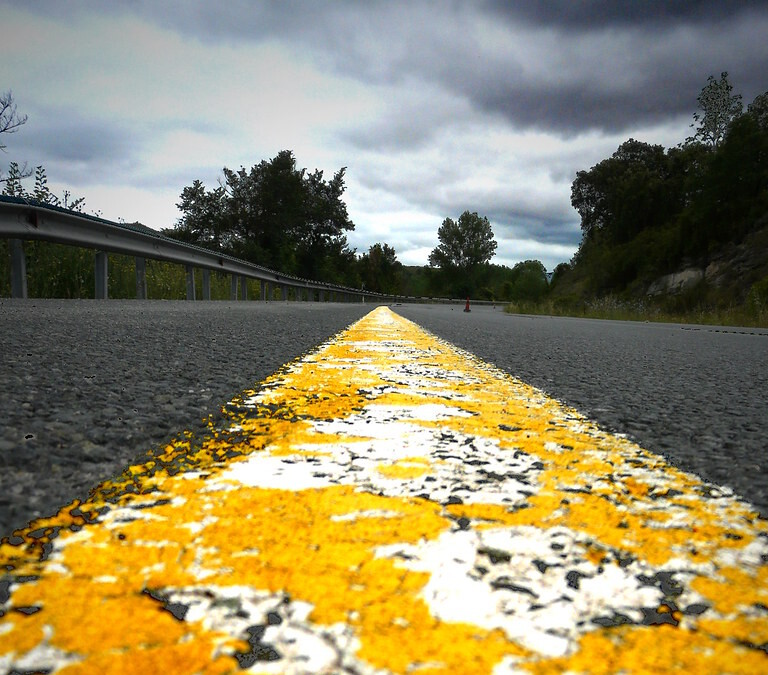
The initiative was part of a broader push to address the mounting problem of scrap tires. At the time, the United States faced a stockpile of billions of tires, and finding sustainable uses for them was a priority.
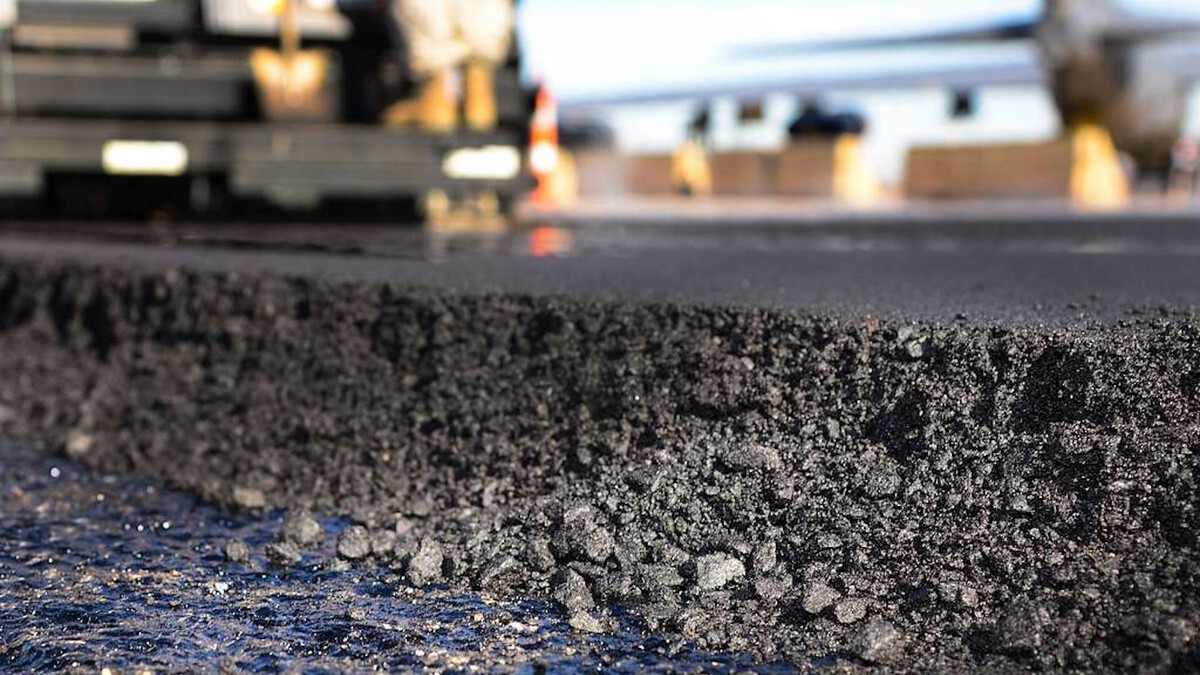
Why Did the Experiment Fail?
After three years of inspections, the New York State Department of Transportation concluded that neither project had been satisfactory or economically viable. The rubber-modified asphalt did not deliver the expected durability or cost savings.
While the exact technical reasons are not detailed in the source, the outcome highlighted the challenges of translating a promising laboratory concept into real-world road conditions. Factors such as material compatibility, construction methods, and long-term performance likely played a role.
What Happened to the 3 Billion Tires?
The failure of the asphalt rubber experiment did not solve the tire waste problem. At the time, billions of tires were stockpiled or landfilled, posing environmental and health risks. The longer history behind the story is traced in Asphalt Rubber Roads: Why New York's 1989 Tire Experiment Failed.
Despite this setback, the search for viable uses for scrap tires continued. Today, crumb rubber is used in various applications, from playground surfaces to modified asphalt in some regions, though challenges remain. The background to this story is set out in Ideas for Recycling Old Tires. A related thread runs through DIY Iron Log Cart: Build a Durable Firewood Carrier. Earlier coverage in How to Build a Planter with Recycled Tire shows how the argument developed.
Key Takeaways from the Asphalt Rubber Road Experiment
- New York's 1989 experiment tested rubber-modified asphalt on 6.1 km of road.
- The project was mandated by a 1987 state law to explore tire recycling in roads.
- After three years, engineers found the pavement unsatisfactory and not cost-effective.
- The failure underscored the gap between lab promises and field performance.
- The tire waste problem persisted, requiring other solutions.
Comparison of Asphalt Rubber vs. Conventional Asphalt
| Factor | Asphalt Rubber | Conventional Asphalt |
|---|---|---|
| Material source | Crumb rubber from scrap tires | Petroleum-based binder |
| Initial cost | Higher (due to processing) | Lower |
| Durability in NY test | Unsatisfactory | Standard performance |
| Environmental benefit | Recycles tires | No tire recycling |
| Long-term cost | Not economically viable in test | Proven |
What Can We Learn from This Failure?
The New York experiment serves as a cautionary tale about the complexities of sustainable infrastructure. Even well-intentioned ideas can stumble when faced with real-world engineering and economic constraints. A closer look at the same subject appears in How you can recycle old tires and turn them into incredible furniture!. Anyone following the wider picture can start with China's Mountain-Cutting Technique for Road Construction. The same theme surfaces in Car: latest articles, which takes a different angle.
It also highlights the importance of rigorous field testing before widespread adoption. While the asphalt rubber roads failed in this instance, the pursuit of greener road materials continues with newer technologies and better understanding. Context on how this played out before sits in Wind Turbine Blade Recycling Breakthrough: Blades Turned Into Asphalt. A companion piece, Barcelona's Olive-Based Biochar Asphalt Cuts CO2 Emissions, approaches the same subject from another angle.
FAQ
What was the New York asphalt rubber road experiment?
It was a 1989 initiative by the New York State Department of Transportation to test asphalt mixed with crumb rubber from old tires on 6.1 kilometers of road.
Why did the asphalt rubber roads fail?
After three years, the department concluded that the rubber-modified pavement was neither satisfactory nor economically viable compared to conventional asphalt.
How many tires were a problem at the time?
The source mentions a problem of 3 billion tires, highlighting the massive scale of tire waste that the experiment aimed to address.
Are asphalt rubber roads used today?
Yes, in some regions, but with mixed results. The New York failure showed that widespread adoption requires careful engineering and economic analysis.
Browse the Shop
 Acacia frida deluxe solid wood bed frame |
Bedroom bench |
Bed chest drawers |
Lingerie dresser |
Frame base |
Mirror with jewelry storage |
30 Bathroom Vanity |
Memory foam queen mattress |
Mattresses for back pain |
Nightstand set of 2 |
Grand Goldman Shop |
Civil Lawyer
Deutschland Trikot WM 2026







