

Mercedes-Benz CEO Ola Källenius has acknowledged that the auto industry may have gone too far in replacing physical buttons with touchscreens. In an interview with Autocar, Källenius said the shift toward digital controls might have been overdone, signaling a potential return to tactile interfaces.
This admission is notable because Mercedes itself has been a leading proponent of massive screens, most prominently with its MBUX Hyperscreen—a triple-display unit stretching nearly 1.5 meters across the dashboard. The CEO's comment suggests a course correction for the brand and possibly the wider industry.
Find Original Home Decor sparking conversation at Grand Goldman Shop.

Mercedes and the Screen Race
Over the past decade, automakers have engaged in a screen-size arms race, removing physical knobs and buttons in favor of sleek, minimalist interiors dominated by touch displays. Mercedes pushed this trend aggressively with the Hyperscreen, which debuted in the EQS electric sedan and has since spread to other models.
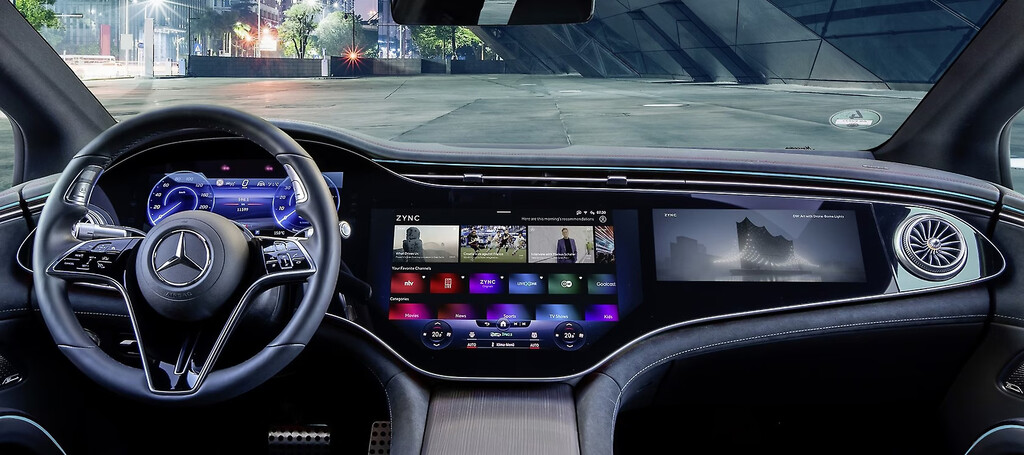
The rationale was simple: screens offer flexibility, allow over-the-air updates, and reduce manufacturing complexity. But as Källenius now concedes, the industry may have overlooked the ergonomic downsides of burying essential functions in digital menus.
The Problem with Touch Controls
While touchscreens are familiar from smartphones, using them while driving is fundamentally different. In a car, drivers must keep their eyes on the road, and physical buttons provide tactile feedback that allows operation without looking. Removing them can increase distraction and frustration.
Studies have shown that touchscreen interfaces can demand more attention than physical controls, leading to longer glances away from the road. This is why some automakers, like Mazda, have publicly resisted the all-screen trend, while others are now reintroducing buttons for critical functions.
Industry-Wide Reassessment
Källenius's remarks reflect a broader reevaluation across the auto industry. Several brands have announced plans to bring back physical controls for climate, volume, and other frequently used features. Regulatory pressure is also mounting; Euro NCAP, for instance, has proposed that cars without physical controls for certain functions should not receive top safety ratings.
The shift doesn't mean screens will disappear—they remain central to infotainment and navigation—but the goal is now a balanced approach. “The industry as a whole might have gone a little too far,” Källenius said, hinting that future Mercedes models will offer a mix of digital and tactile controls.
What This Means for Drivers
For consumers, this is likely good news. A balanced interface combines the visual richness of screens with the safety and simplicity of physical buttons. Automakers are realizing that not every function needs to be digitized, especially those used frequently while driving.
Mercedes has already begun integrating this philosophy. The new E-Class, for example, retains some physical controls for climate and volume, even as it adds more screen real estate. This suggests that the company is listening to feedback and adjusting its design strategy. The background to this story is set out in Apple's First Touchscreen MacBook Pro: OLED and Illuminated Logo Return. A related thread runs through Car: latest articles. Earlier coverage in German Car Sales in China Plunge: BMW, Audi, Mercedes Struggle shows how the argument developed.
Key Takeaways
- Mercedes CEO Ola Källenius admits the industry may have gone too far with touchscreens.
- Mercedes led the screen race with the MBUX Hyperscreen, a triple-display unit spanning nearly 1.5 meters.
- Physical buttons offer tactile feedback that reduces distraction compared to touchscreens.
- Regulators and safety organizations are pushing for the return of physical controls.
- Future interiors will likely blend screens with tactile controls for a balanced approach.
Comparing Control Interfaces
| Interface Type | Advantages | Disadvantages | Examples |
|---|---|---|---|
| Touchscreen only | Flexible, updatable, minimalist design | Requires visual attention, can be distracting | Mercedes Hyperscreen, Tesla Model 3 |
| Physical buttons | Tactile feedback, easy to use without looking | Less flexible, more complex manufacturing | Mazda MX-5, many older cars |
| Hybrid (screens + buttons) | Combines safety and functionality | Can be cluttered if not well designed | New Mercedes E-Class, BMW iX |
What to Watch Next
As automakers rethink their interiors, the focus will be on finding the right balance. Expect to see more models with physical controls for climate, volume, and driving modes, while screens handle infotainment and navigation. Mercedes's next-generation models will be telling: will the Hyperscreen shrink, or will buttons return? A closer look at the same subject appears in Windshield Cleaning Mistake: Why Inside Glass Smears and How to Fix. Anyone following the wider picture can start with China's Car Market: Domestic Sales Drop 20.9% as Exports Soar. The same theme surfaces in Germany Debates 40-Hour Week Without Extra Pay to Boost Industry, which takes a different angle.
The industry's shift is a reminder that not all innovation is an improvement. Sometimes, the old ways—like a simple knob—are still the best for certain tasks. As Källenius's admission shows, even the biggest advocates of screens are willing to admit they might have been wrong. Context on how this played out before sits in 21 Times When Disney Went Way Too Freaking Far In Their Movies. A companion piece, Mercedes CEO Admits Touchscreen Overload Went Too Far, approaches the same subject from another angle.
FAQ
What did Mercedes CEO Ola Källenius say about touchscreens?
He admitted that the auto industry might have gone too far in replacing physical buttons with touchscreens, suggesting a need for a more balanced approach.
Why are physical buttons considered safer than touchscreens?
Physical buttons provide tactile feedback, allowing drivers to operate them without looking, which reduces distraction and keeps their eyes on the road.
Will Mercedes bring back physical buttons?
While no specific plans have been announced, Källenius's comments indicate that future Mercedes models will likely offer a mix of digital and tactile controls.
What is the MBUX Hyperscreen?
It's a triple-screen display unit that spans nearly 1.5 meters across the dashboard, introduced by Mercedes to showcase its digital prowess.
Browse the Shop
 Acacia frida deluxe solid wood bed frame |
Bedroom bench |
Bed chest drawers |
Lingerie dresser |
Frame base |
Mirror with jewelry storage |
30 Bathroom Vanity |
Memory foam queen mattress |
Mattresses for back pain |
Nightstand set of 2 |
Grand Goldman Shop |
Civil Lawyer
Deutschland Trikot WM 2026







