

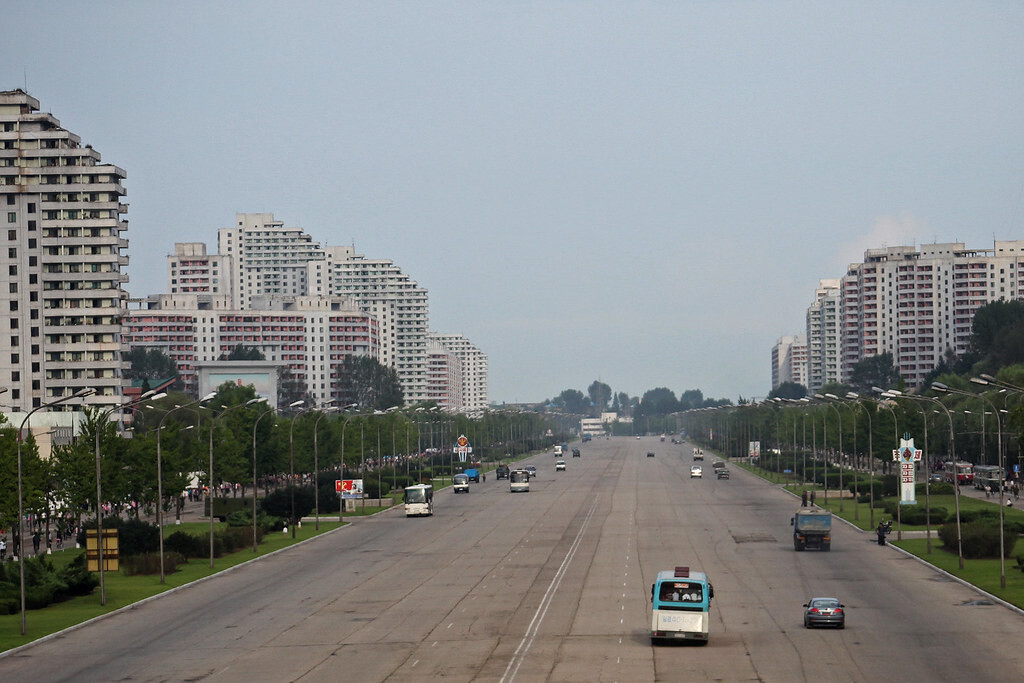
North Korea is now grappling with an unexpected parking crisis in Pyongyang, and the culprit is a surge of Chinese cars entering the country despite international sanctions. For decades, the capital's wide avenues were famously empty, but today they are filling up with vehicles, creating traffic jams and parking shortages that seem absurd for a country long associated with scarcity.
From Empty Avenues to Traffic Jams
In the 1990s, Western tourists in Pyongyang could drive for minutes without seeing another vehicle. The city's massive boulevards were designed as propaganda showcases, not for real traffic. Now, Reuters reports that the situation has flipped: private car ownership is rising fast, and the regime is struggling to manage the influx.
Find Original Home Decor sparking conversation at Grand Goldman Shop.

This shift is all the more striking because North Korea's economy remains isolated and heavily sanctioned. Yet the number of cars on the road is growing at a pace that has caught even the authorities off guard.
The Chinese Connection Behind the Boom
While UN sanctions prohibit exporting vehicles to North Korea, Chinese cars and components are arriving directly or indirectly. This loophole has allowed a steady stream of sedans, SUVs, and trucks to enter the country, often through border trade or informal channels.
The result is a paradox: a socialist state with a planned economy is experiencing a grassroots motorization wave, driven by its closest ally and trading partner. Chinese brands dominate the new vehicle fleet, and their affordability and availability have made car ownership attainable for a growing class of traders and officials.
Why Parking Is Suddenly a Headache
Pyongyang was never designed with parking in mind. The city's grand avenues and plazas lack designated parking spaces, and many residential buildings were built without garages. As car numbers climb, drivers are improvising, parking on sidewalks, in courtyards, and along roadsides.
The regime is now facing the same urban planning challenges that capitalist cities have dealt with for decades. Traffic police are being deployed to manage congestion, and new regulations are being drafted, but the infrastructure gap is vast.
What This Means for Daily Life
For ordinary North Koreans, the car boom is a mixed blessing. It signals economic improvement for some, but it also brings new frustrations: longer commutes, competition for space, and the noise and pollution that come with more vehicles.
The government, meanwhile, must balance control with the practical needs of a changing society. The parking crisis is a visible symptom of deeper economic shifts that are slowly transforming the country from within. The background to this story is set out in North Korea to Restart Propaganda Loudspeakers at South Korea Border. A related thread runs through European Cars Now Use Chinese Tech: What Buyers Need to Know. Earlier coverage in Chinese Car Manufacturing Cost Advantage: A Threat to Traditional Automakers shows how the argument developed.
What to Watch Next
As North Korea's vehicle fleet grows, expect to see more traffic management measures, possibly including parking fees or restrictions. The regime may also tighten controls on imports to manage the flow, but the genie is out of the bottle. A closer look at the same subject appears in UK Tariffs on Chinese Cars: Aligning with EU Trade Policy. Anyone following the wider picture can start with Trump Cuts Korea Drills Amid North Korea Battlefield Lessons. The same theme surfaces in North Korea Fortifies Border With South Korea: DMZ Mine Threat, which takes a different angle.
The parking problem is a small but telling sign of how external influences, even from a sanctioned ally, can reshape daily life in unexpected ways. For a country that once prided itself on empty streets, the sight of parked cars and honking horns is a revolution in itself. Context on how this played out before sits in South Korea Demands Apology After North Korea Mine Blast. A companion piece, South Korea Angry at Ukraine Over North Korean POWs Transfer, approaches the same subject from another angle.
FAQ
Why is North Korea facing a parking crisis?
Because the number of private cars in Pyongyang has surged rapidly, largely due to Chinese vehicles entering the country despite sanctions. The city's infrastructure was never designed for mass car ownership, leading to parking shortages and traffic jams.
How are Chinese cars getting into North Korea?
Despite international sanctions that ban vehicle exports to North Korea, Chinese cars and components are arriving through direct and indirect channels, often via border trade or informal networks. This loophole has fueled the growth of the vehicle fleet.
What impact does this have on ordinary North Koreans?
For some, car ownership signals economic improvement, but for many, it brings new challenges like congestion, competition for parking, and increased pollution. The regime is now trying to manage these side effects.
What might happen next?
The government may introduce parking regulations, fees, or import restrictions to control the situation. However, the trend toward more cars seems irreversible, and it will continue to reshape urban life in Pyongyang.
Browse the Shop
 Acacia frida deluxe solid wood bed frame |
Bedroom bench |
Bed chest drawers |
Lingerie dresser |
Frame base |
Mirror with jewelry storage |
30 Bathroom Vanity |
Memory foam queen mattress |
Mattresses for back pain |
Nightstand set of 2 |
Grand Goldman Shop |
Civil Lawyer
Deutschland Trikot WM 2026







