

The Katy Freeway in Texas holds the record for the widest highway in the world, with 26 lanes at its peak. Despite this massive expansion, traffic jams persist, challenging the assumption that more lanes solve congestion.
Stretching approximately 37 kilometers west of Houston, the Katy Freeway is part of Interstate 10, which runs from Santa Monica, California, to Jacksonville, Florida. Originally a six-lane highway built in the 1960s, it underwent a colossal expansion to accommodate growing traffic. At its widest point near Gessner Road, the freeway boasts 26 lanes total: 12 main lanes, 8 feeder lanes, and 6 managed lanes (including toll lanes and HOV lanes). This makes it the widest highway globally, surpassing even China's G4 Beijing-Hong Kong-Macao expressway, which is often cited as having 50 lanes but is actually a series of parallel roadways.
Find Original Home Decor sparking conversation at Grand Goldman Shop.

The Expansion of Katy Freeway: A Record-Breaking Project
The Katy Freeway expansion was a massive infrastructure project that aimed to reduce congestion by adding lanes. Completed in stages, the project widened the freeway from six to 26 lanes, incorporating innovative features like managed lanes and extensive feeder roads. The expansion cost billions of dollars and took years to complete, reflecting the belief that more capacity would alleviate traffic.
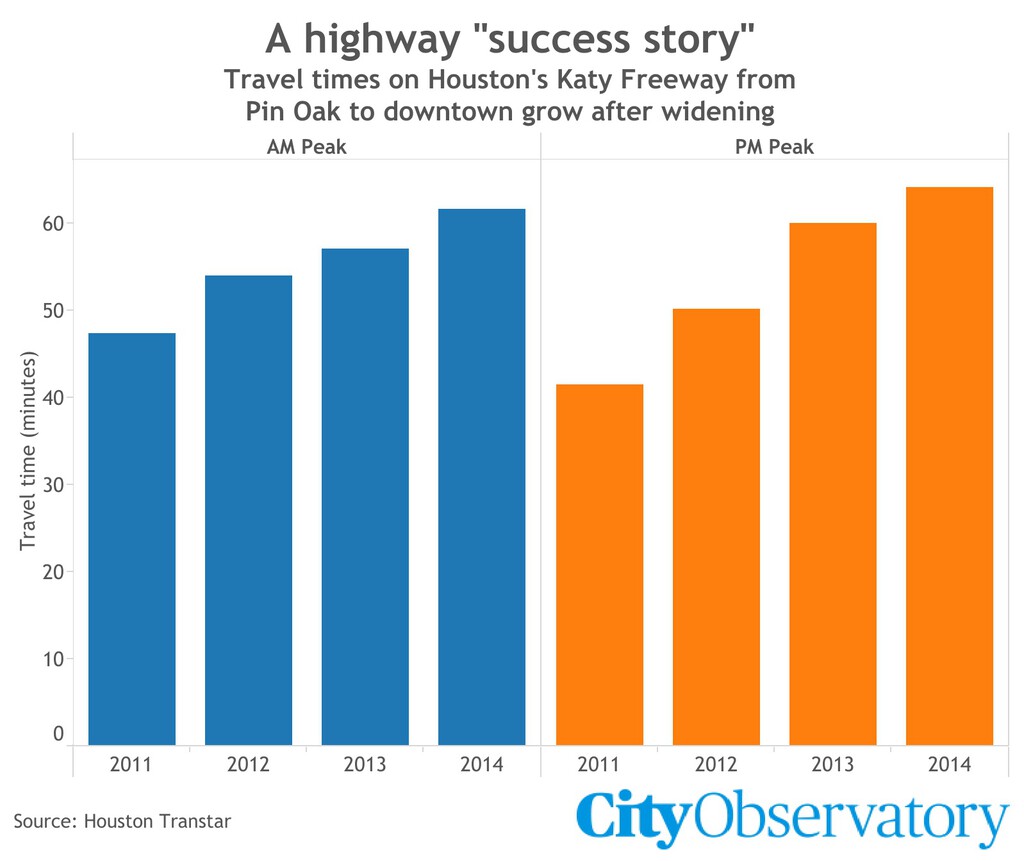
However, the results have been mixed. While the additional lanes initially improved traffic flow, congestion returned as more drivers took to the road. This phenomenon, known as induced demand, occurs when increased road capacity encourages more people to drive, ultimately leading to similar or worse congestion levels. The Katy Freeway is often cited as a classic example of this effect.

Why More Lanes Don't Always Reduce Traffic
The Katy Freeway's experience highlights a fundamental challenge in transportation planning: building more roads can be counterproductive. When a highway is expanded, it becomes more attractive to drivers, leading to more trips and longer distances traveled. This can quickly consume the added capacity, leaving congestion unchanged.
Moreover, the expansion of highways can encourage urban sprawl, as people move further from city centers, increasing their reliance on cars. This creates a cycle where more roads lead to more driving, which in turn leads to demands for even more roads. The Katy Freeway exemplifies this cycle, as Houston's population and urban footprint have grown alongside the freeway.
The Impact on Houston and Beyond
The Katy Freeway serves as a critical artery for Houston, one of the fastest-growing metropolitan areas in the United States. The region's population has surged, driven by economic opportunities and a relatively low cost of living. This growth has placed immense pressure on the transportation network, with the freeway struggling to keep up.
Beyond Houston, the Katy Freeway's story resonates with cities worldwide facing similar challenges. As urban populations grow, the debate over how to manage traffic intensifies. Some argue for continued highway expansion, while others advocate for alternative solutions like public transit, congestion pricing, and land-use policies that reduce car dependency. Context on how this played out before sits in Katy Freeway: The 26-Lane Texas Highway That Still Has Traffic.
- Induced demand means more lanes can lead to more traffic, not less.
- The Katy Freeway is the world's widest highway at 26 lanes.
- Expansion projects often cost billions but may not deliver long-term congestion relief.
- Houston's rapid growth has outpaced even massive infrastructure investments.
- Alternative solutions like public transit and smart growth are gaining traction.
Comparing Highway Widths: Katy Freeway vs. Others
To put the Katy Freeway's size into perspective, here's how it stacks up against other wide highways: The background to this story is set out in Madrid Traffic Congestion: Why the City Is Becoming the New Los Angeles. A related thread runs through Car: latest articles.
| Highway | Location | Maximum Lanes | Notes |
|---|---|---|---|
| Katy Freeway (I-10) | Houston, Texas, USA | 26 | Includes main lanes, feeder lanes, and managed lanes |
| G4 Beijing-Hong Kong-Macao Expressway | China | 50 (in some sections) | Often cited as widest, but actually multiple parallel roadways |
| Highway 401 | Ontario, Canada | 18 | One of the busiest highways in North America |
| I-405 | Los Angeles, California, USA | 14 | Known for severe congestion |
What the Katy Freeway Teaches Us
The Katy Freeway is a testament to the limits of highway expansion. It shows that simply adding lanes is not a sustainable solution to traffic congestion. Instead, cities must adopt a multi-faceted approach that includes public transit, smart land-use planning, and demand management strategies like congestion pricing. Earlier coverage in Genoa's 16-Meter Tunnel Boring Machine: A Subsea Solution to Traffic shows how the argument developed. A closer look at the same subject appears in North Korea's Parking Crisis: How Chinese Cars Changed Pyongyang.
As Houston continues to grow, the Katy Freeway will remain a vital but congested corridor. The lessons learned here can inform future transportation projects in Texas and beyond, emphasizing the need for balanced and forward-thinking urban mobility solutions. Anyone following the wider picture can start with Bilbao's 45-Meter Tunnel Under the Nervión to End Rontegi Gridlock. The same theme surfaces in FAA Launches First Digital Air Traffic Control Towers in US, which takes a different angle.
FAQ
How many lanes does the Katy Freeway have?
The Katy Freeway has a maximum of 26 lanes at its widest point near Gessner Road, including 12 main lanes, 8 feeder lanes, and 6 managed lanes.
Why does the Katy Freeway still have traffic jams despite having 26 lanes?
Due to induced demand, the expanded capacity attracts more drivers, leading to congestion levels similar to before the expansion. This phenomenon is common in highway expansions.
Is the Katy Freeway the widest highway in the world?
Yes, the Katy Freeway is recognized as the widest highway in the world with 26 lanes. China's G4 expressway is often cited as wider, but its 50 lanes are actually multiple parallel roadways.
What are some alternatives to highway expansion for reducing traffic?
Alternatives include investing in public transit, implementing congestion pricing, promoting telecommuting, and adopting smart growth policies that reduce car dependency.
Browse the Shop
 Acacia frida deluxe solid wood bed frame |
Bedroom bench |
Bed chest drawers |
Lingerie dresser |
Frame base |
Mirror with jewelry storage |
30 Bathroom Vanity |
Memory foam queen mattress |
Mattresses for back pain |
Nightstand set of 2 |
Grand Goldman Shop |
Civil Lawyer
Deutschland Trikot WM 2026







