

The Volkswagen ID. Polo has finally arrived, and its €35,000 price tag (before incentives) raises a critical question: can it justify the premium over cheaper Chinese electric vehicles? After more than three years since the ID. 2all concept debuted, Volkswagen has renamed the production model ID. Polo—a subtle nod to its combustion heritage—and revealed full specs. Built in Martorell, Spain, the ID. Polo aims to be a “typically Volkswagen” car for the masses. But in a market flooded with affordable Chinese EVs, does it deliver enough value?
Volkswagen ID. Polo specs and pricing
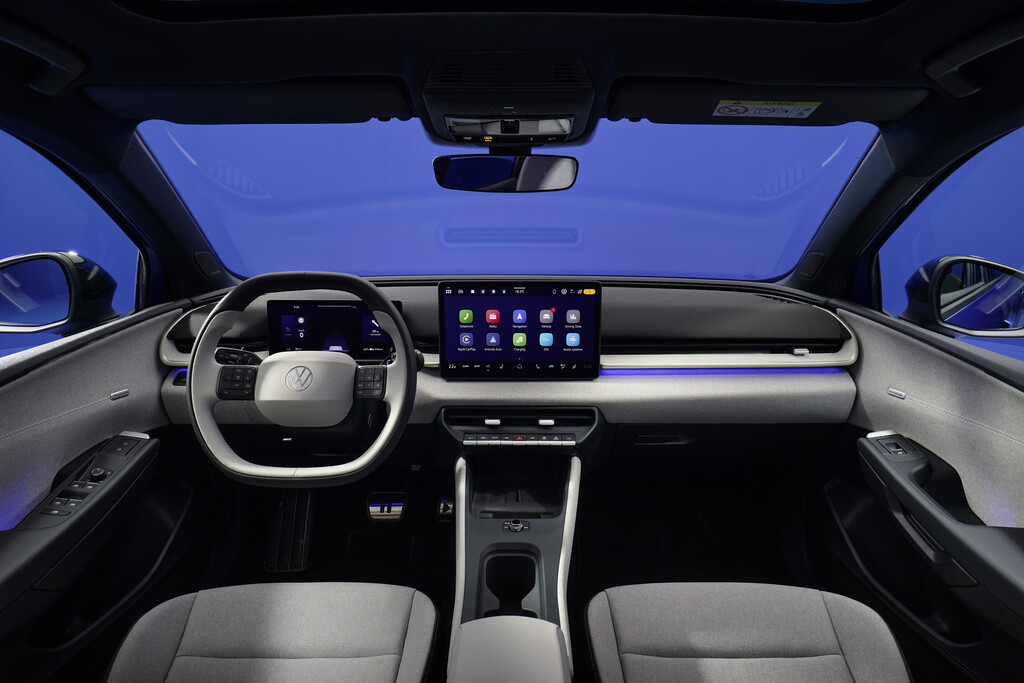
The ID. Polo measures 4,053 mm long, 1,816 mm wide, and 1,530 mm tall, with a 2,600 mm wheelbase. It offers two battery options: a 37 kWh LFP pack (net) with 85 kW (116 hp) or 99 kW (135 hp), and a 52 kWh NCM pack with 155 kW (211 hp) and 449 km of range. The 52 kWh version is available now. Standard features include adaptive cruise control with parking assist, a 10-inch digital cockpit, and a 13-inch infotainment screen. Optional highlights: matrix LED lights, a 480-watt Harman Kardon sound system with 10 speakers, and massaging electric seats.
Find Original Home Decor sparking conversation at Grand Goldman Shop.

Why the ID. Polo matters for Volkswagen
The ID. Polo represents Volkswagen’s push into the affordable EV segment, a space where Chinese brands like BYD and MG are gaining ground. The €35,000 price point (without incentives) positions it above many Chinese rivals, which often undercut €30,000. Volkswagen hopes the ID. Polo’s brand heritage, build quality, and dealer network will sway buyers. But with EV incentives shrinking in some markets, the sticker price becomes even more critical.
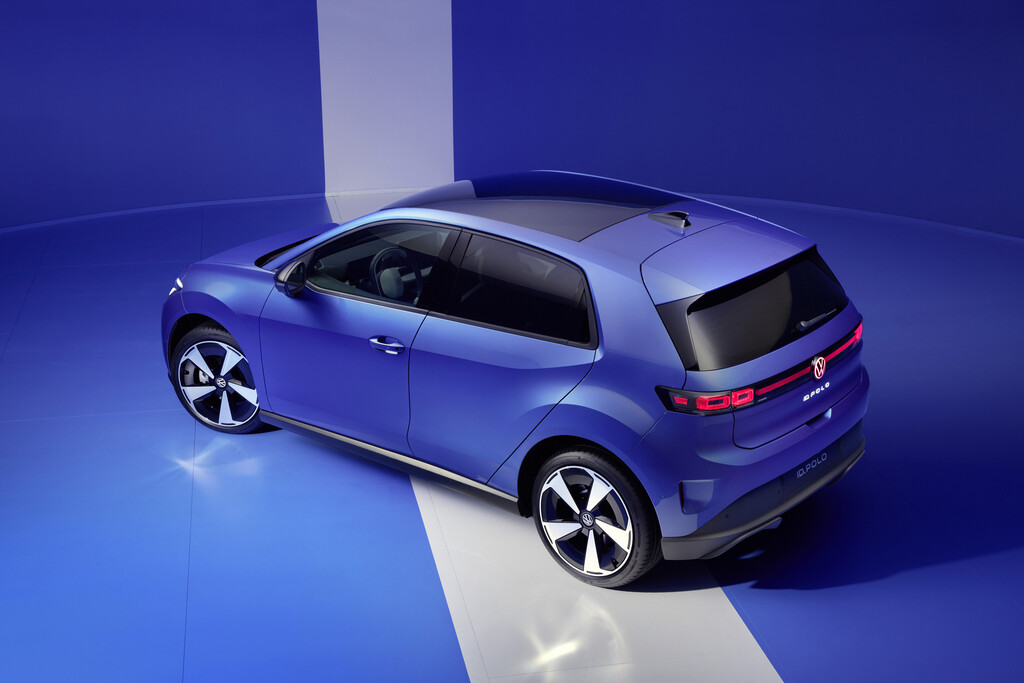
Moreover, the ID. Polo is a strategic model: it’s the first VW EV built on the MEB Entry platform, designed for cost efficiency. Production in Martorell signals VW’s commitment to European manufacturing, but that also means higher labor costs compared to Chinese-made EVs.
How the ID. Polo compares to Chinese EVs
Chinese EVs like the BYD Dolphin and MG4 Electric offer competitive specs at lower prices. The Dolphin starts around €30,000 with a 60 kWh battery and 427 km range. The MG4 undercuts €30,000 for a 51 kWh model. The ID. Polo’s 52 kWh version delivers 449 km, but at €35,000, it’s pricier. However, VW counters with superior interior quality, advanced driver assistance, and stronger resale value.
| Model | Price (approx.) | Battery (net) | Range | Power |
|---|---|---|---|---|
| Volkswagen ID. Polo 52 kWh | €35,000 | 52 kWh | 449 km | 155 kW (211 hp) |
| BYD Dolphin | €30,000 | 60 kWh | 427 km | 150 kW (204 hp) |
| MG4 Electric | €28,000 | 51 kWh | 350 km | 125 kW (170 hp) |
Key takeaways for buyers
- Price premium: ID. Polo costs €5,000–€7,000 more than Chinese rivals, but offers brand prestige and dealer support.
- Range advantage: The 52 kWh version’s 449 km beats many Chinese EVs in the same class.
- Features: Optional matrix LEDs and Harman Kardon sound are rare in Chinese budget EVs.
- Production location: Built in Spain, potentially appealing to European buyers wary of Chinese imports.
- Incentives: Without EV subsidies, the ID. Polo’s price gap widens—check local incentives.
The real question: is the ID. Polo worth it?
For loyal Volkswagen customers, the ID. Polo offers a familiar experience with modern EV tech. But for budget-conscious buyers, Chinese EVs present a compelling alternative. The ID. Polo’s success hinges on whether consumers value German engineering and quality enough to pay the premium. Volkswagen’s reputation for reliability and service might tip the scales, especially for families replacing a combustion car. A companion piece, Volkswagen ID. Polo: Can a €35,000 Hatchback Beat Chinese EVs, approaches the same subject from another angle.
However, the ID. Polo’s 37 kWh base version, with only 85 kW, may feel underpowered and has unconfirmed range—likely around 300 km. That could be a hard sell against cheaper Chinese models with larger batteries. The background to this story is set out in EV and Hybrid Sales Surge as Fuel Prices Rise in Australia. A related thread runs through Jensen Huang Says AGI Has Arrived With GPT-6 Astra. Earlier coverage in Google Pixel Tag: The AirTag for Android Finally Arrives shows how the argument developed.
What to watch next
Volkswagen’s pricing strategy will be tested as more Chinese brands enter Europe. The ID. Polo’s real-world efficiency and charging speed (not yet disclosed) will also matter. Keep an eye on incentive changes and VW’s potential price adjustments. If sales lag, we might see discounts or a lower-priced trim. A closer look at the same subject appears in Car: latest articles. Anyone following the wider picture can start with Real Range Test of 27 Electric Cars: China Wins Clearly. The same theme surfaces in Volkswagen Battery Plant in Sagunto Delayed: What It Means for EVs, which takes a different angle.
For those interested in how Volkswagen has played with heritage before, the 1995 VW Polo Harlequin story shows the brand’s quirky side. But the ID. Polo is a serious bet on the future. Context on how this played out before sits in Electric Supercars: The Last Hurdle for EVs to Overcome.
FAQ
What is the price of the Volkswagen ID. Polo?
The ID. Polo starts at around €35,000 before incentives for the 52 kWh version. The 37 kWh version’s price is yet to be announced.
How does the ID. Polo compare to Chinese EVs?
The ID. Polo is €5,000–€7,000 more expensive than models like the BYD Dolphin and MG4, but offers longer range and premium features.
When will the ID. Polo be available?
The 52 kWh version is available now. The 37 kWh version will follow later.
Is the ID. Polo built in Europe?
Yes, it is manufactured in Martorell, Spain.
Browse the Shop
 Acacia frida deluxe solid wood bed frame |
Bedroom bench |
Bed chest drawers |
Lingerie dresser |
Frame base |
Mirror with jewelry storage |
30 Bathroom Vanity |
Memory foam queen mattress |
Mattresses for back pain |
Nightstand set of 2 |
Grand Goldman Shop |
Civil Lawyer
Deutschland Trikot WM 2026







