

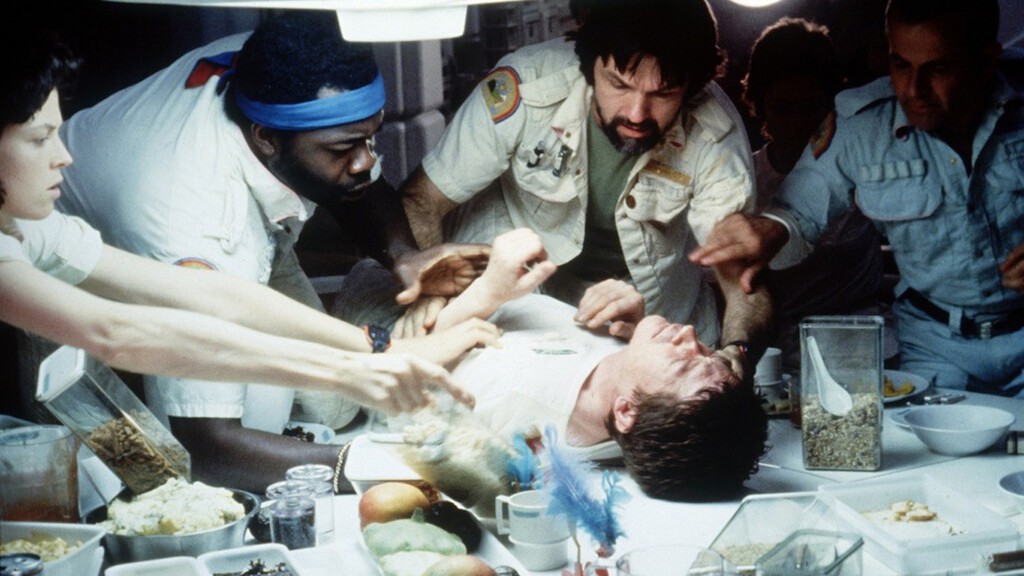
The Alien chestburster scene remains one of the most terrifying moments in cinema history, but its power came from a daring directorial choice: Ridley Scott hid the truth from his own actors. In 1979, Scott decided that genuine fear on screen could only be achieved by keeping the cast in the dark about what would happen during the pivotal sequence.
This behind-the-scenes gamble, combined with a script inspired by real medical trauma, produced a scene that has been imitated and studied for decades. Here's how the Alien chestburster scene came to life and why it still shocks audiences today.
Find Original Home Decor sparking conversation at Grand Goldman Shop.

The Medical Origins of the Chestburster
The idea for the chestburster didn't come from a Hollywood writer's room. Screenwriter Dan O'Bannon suffered from Crohn's disease, a chronic inflammatory bowel condition. He described some of his worst episodes as feeling like something alive was trying to claw its way out from inside him.
O'Bannon's personal agony became the seed for one of cinema's most disturbing images. He also drew on his fascination with parasites and the often grotesque reproductive strategies of certain insects and animals. That biological horror, rather than supernatural scares, gave the creature a terrifying plausibility.
When Ridley Scott read the script, he recognized the visceral potential. But he also knew that showing too much, or letting the actors prepare, would dilute the impact. The scene needed to feel real, not performed.
Ridley Scott's Unorthodox Decision
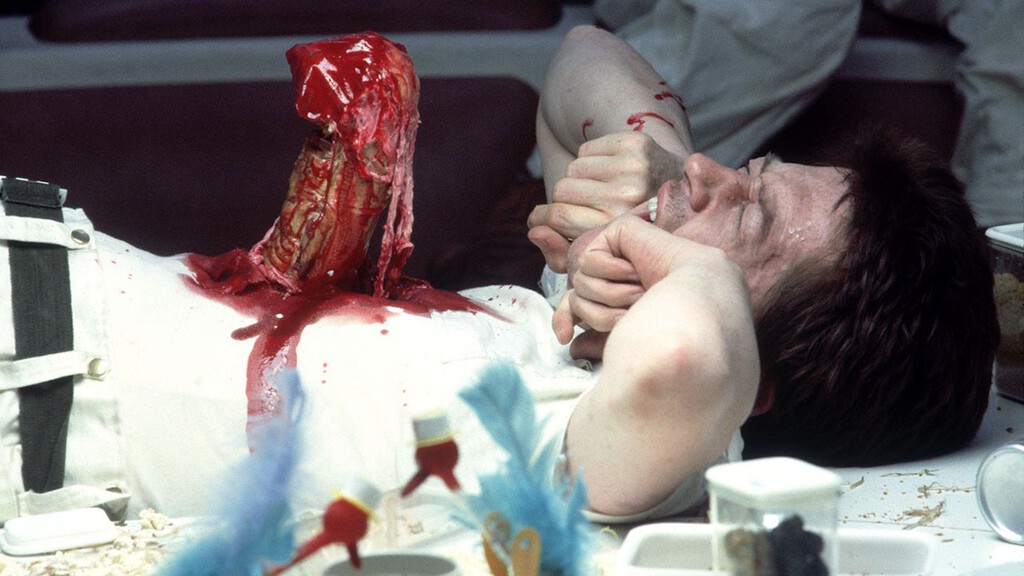
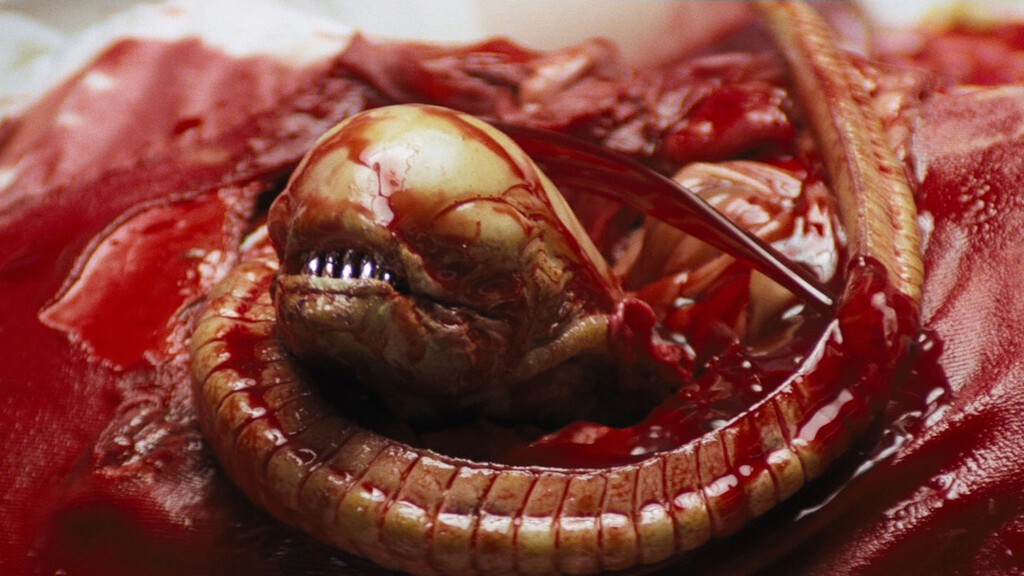
Scott made a choice that was unusual even by horror standards: he concealed the details of the chestburster sequence from most of the cast. The script only said that "something emerges." The exact appearance of the creature, the amount of blood, the violence of the moment, and how it would all unfold were deliberately kept secret.

According to accounts from the production, the actors knew something shocking would happen, but not the specifics. Their reactions on camera were partly genuine shock. Scott believed that real fear could never be matched by acting.
This approach required immense trust from the cast. It also meant that the first take would capture raw, unscripted horror. That gamble paid off, giving the film a level of authenticity that scripted terror rarely achieves.
What Made the Scene So Effective
The chestburster scene works because it violates a basic expectation: that a meal is safe and a crew is in control. The sudden eruption of violence from within a character's body is both intimate and alien. Scott's decision to keep the cast unaware amplified that violation.
Practical effects, including blood and prosthetics, added to the visceral impact. But the core of the terror was psychological. The audience, like the actors, had no warning. That shared surprise created a lasting imprint.
The scene also benefited from the film's slow build. By the time the chestburster appears, viewers have been lulled into a false sense of security. The sudden shock is earned.
The Legacy of the Chestburster Scene
Since 1979, the chestburster has become a cultural touchstone. It has been referenced, parodied, and analyzed in film schools. Directors often cite it as a masterclass in tension and surprise. The background to this story is set out in Alien Franchise Revival: Why Ridley Scott Must Return. A related thread runs through The Dog Stars Review: Ridley Scott's Postapocalyptic Drama Misfires. Earlier coverage in Mum, I'm Alien Pregnant Review: NZ Comedy Horror Delivers shows how the argument developed.
The scene also influenced how horror films handle practical effects and actor reactions. Some later productions attempted similar secrecy, though few matched the original's impact. The combination of O'Bannon's personal horror and Scott's directorial boldness proved unique. A closer look at the same subject appears in Alien: Isolation 2 Sequel Features New Female Protagonist. Anyone following the wider picture can start with Virtual Lifeless Earth Model to Hunt for Alien Life. The same theme surfaces in Swarm of Space Telescopes to Hunt Alien Life by 2040, which takes a different angle.
For fans of behind-the-scenes stories, this moment exemplifies how creative risk can yield enduring art. It also highlights the importance of trusting the audience's imagination, a principle that still guides effective horror today. Context on how this played out before sits in Noofirmas: The New Way to Search for Intelligent Alien Life. A companion piece, Celebrity: latest articles, approaches the same subject from another angle.
Key Takeaways from the Alien Chestburster Scene
- Real-life inspiration: Dan O'Bannon's Crohn's disease informed the chestburster concept.
- Directorial secrecy: Ridley Scott hid the scene's details from most of the cast to capture genuine shock.
- Script ambiguity: The screenplay only said "something emerges," leaving specifics unknown.
- Practical effects: Blood and prosthetics enhanced the visceral impact without CGI.
- Enduring legacy: The scene remains a benchmark for horror filmmaking and actor direction.
Comparing the Chestburster to Other Horror Moments
| Film | Year | Horror Technique | Impact |
|---|---|---|---|
| Alien | 1979 | Hidden scene details from cast | Genuine shock, iconic scene |
| Psycho | 1960 | Killed off main character early | Subverted audience expectations |
| The Exorcist | 1973 | Graphic practical effects | Controversial, visceral reactions |
| Jaws | 1975 | Withheld the monster | Built tension through absence |
FAQ
Did the actors know about the chestburster scene in Alien?
Most of the cast did not know the details. Ridley Scott deliberately kept the appearance of the creature, the amount of blood, and the violence hidden to capture genuine reactions. Only a few key crew members were informed.
What inspired Dan O'Bannon to write the chestburster scene?
O'Bannon suffered from Crohn's disease, which he described as feeling like something alive was trying to escape from inside him. He also drew on his interest in parasites and bizarre reproductive mechanisms in nature.
Why is the chestburster scene considered so terrifying?
The scene combines personal horror, unexpected violence, and the violation of the body. Scott's decision to keep the cast unaware added a layer of real shock that acting cannot replicate.
How did Ridley Scott's approach influence later horror films?
Scott's method of withholding information from actors to capture genuine fear has been cited by many directors. It reinforced the value of practical effects and the power of surprise in horror cinema.
Browse the Shop
 Acacia frida deluxe solid wood bed frame |
Bedroom bench |
Bed chest drawers |
Lingerie dresser |
Frame base |
Mirror with jewelry storage |
30 Bathroom Vanity |
Memory foam queen mattress |
Mattresses for back pain |
Nightstand set of 2 |
Grand Goldman Shop |
Civil Lawyer
Deutschland Trikot WM 2026







