

The movie disclaimer 'any resemblance to real persons is coincidental' has a fascinating origin rooted in a 1933 lawsuit over Rasputin. This ubiquitous phrase, seen in countless films and TV shows, was born from a legal battle that changed how Hollywood protects itself.
The Rasputin Lawsuit That Started It All
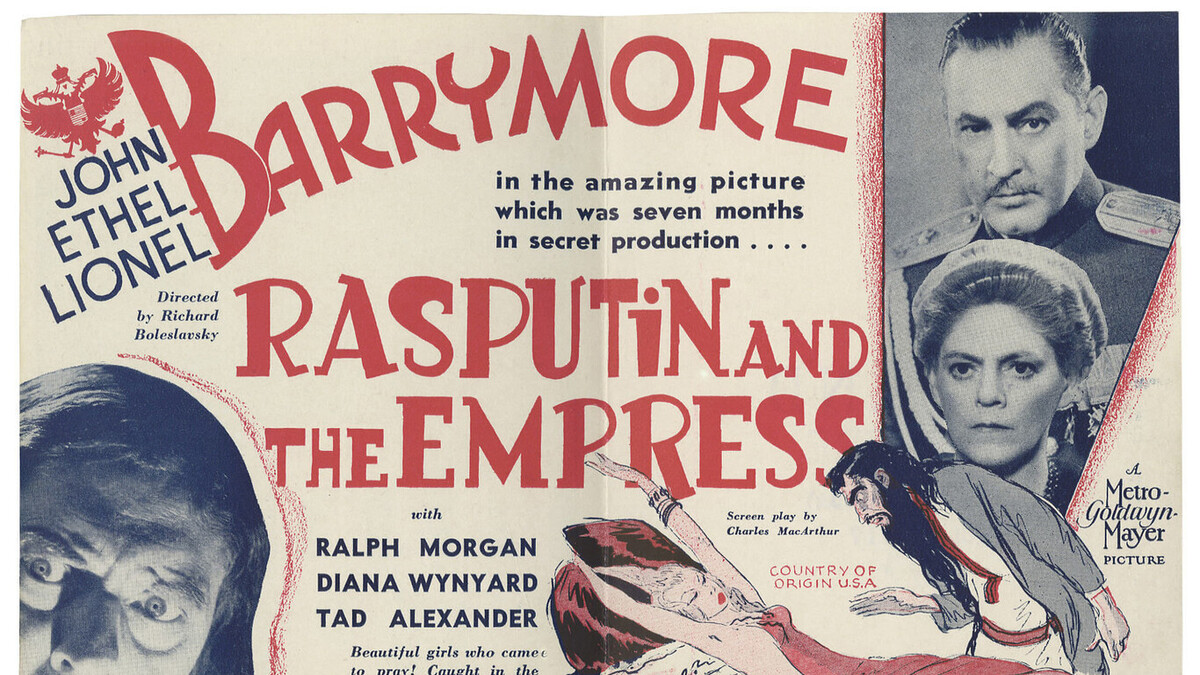
In 1933, an exiled Russian prince sued MGM over its biographical film about Rasputin, claiming the movie inaccurately depicted the murder of the mystical figure. The prince argued that the film's portrayal was not only false but damaging. This lawsuit set a precedent for studios to include disclaimers denying any connection to real events or people.
Find Original Home Decor sparking conversation at Grand Goldman Shop.

The case highlighted the potential legal risks of dramatizing real-life stories without clear disclaimers. Studios realized they needed a way to protect themselves from similar claims while still telling compelling stories.
Why Hollywood Embraces the Disclaimer
Today, the disclaimer is a standard practice, appearing in films like Raging Bull and even TV shows like South Park. It serves as a legal shield, allowing creators to blend fact and fiction without fear of lawsuits. Even when stories are based on true events, the disclaimer gives studios room to dramatize and take creative liberties.
For example, Raging Bull credits Jake LaMotta as a consultant and cites his memoir, yet still includes the disclaimer. This paradox underscores the disclaimer's role as a catch-all protection rather than a literal statement of fact. The longer history behind the story is traced in The Movie Disclaimer That Started With Rasputin.
The Impact on Storytelling and Audience Perception
The disclaimer also shapes how audiences interpret films. By stating that any resemblance is coincidental, filmmakers encourage viewers to separate the story from reality. This can be particularly important for biopics, where the line between fact and fiction is often blurred. The background to this story is set out in Celebrity: latest articles. A related thread runs through Masters of the Universe Movie: Four Decades of Development Hell. Earlier coverage in The Devil Wears Prada 2 Criticized for Losing Its Satirical Edge shows how the argument developed.
However, some critics argue that the disclaimer can be misleading, especially when a film is clearly based on real events. It may lead audiences to question the accuracy of the entire story, even when significant research was involved. A closer look at the same subject appears in The Ident Epidemic: Why Movies Now Open With 15 Logos. Anyone following the wider picture can start with Soul Patrol Review: Vietnam's First Black Special Ops Team. The same theme surfaces in Home Movie Night: Why Your TV Matters More Than Film Knowledge, which takes a different angle.
Key Takeaways
- The movie disclaimer originated from a 1933 lawsuit over a Rasputin biopic.
- Studios use it as a legal safeguard against claims of defamation or inaccuracy.
- It allows filmmakers to dramatize real events without strict adherence to facts.
- The disclaimer appears in both films and TV shows, often regardless of actual connection to reality.
- Audiences should view it as a legal formality rather than a guarantee of fiction.
Comparison of Disclaimer Usage Across Media
| Media Type | Example | Reason for Disclaimer |
|---|---|---|
| Film | Raging Bull | Based on real person, but includes fictionalized elements |
| TV Show | South Park | Satirical content with real-life figures |
| Biopic | Rasputin (1932) | Direct lawsuit over portrayal |
| Documentary | Various | To avoid claims of defamation |
The disclaimer has become so common that it's often overlooked, but its history is a reminder of the complex relationship between art, law, and reality. Context on how this played out before sits in Backrooms: The Summer Horror Hit That Started on YouTube. A companion piece, What If Seven Up! Started Today? TV Fame and Its Impact, approaches the same subject from another angle.
FAQ
What was the Rasputin lawsuit about?
An exiled Russian prince sued MGM in 1933, claiming the film about Rasputin inaccurately depicted the murder and damaged his reputation. The case led to the widespread use of disclaimers.
Why do movies include the disclaimer even when based on true stories?
It provides legal protection against potential lawsuits for defamation or invasion of privacy. Studios can argue that the work is fiction, even if inspired by real events.
Does the disclaimer mean the story is entirely fictional?
Not necessarily. It's a legal formality that allows filmmakers creative freedom. Many films based on true stories include it to avoid legal challenges.
How has the disclaimer evolved over time?
From a specific response to a lawsuit, it has become a standard practice in both film and television, often included regardless of the content's connection to reality.
Browse the Shop
 Acacia frida deluxe solid wood bed frame |
Bedroom bench |
Bed chest drawers |
Lingerie dresser |
Frame base |
Mirror with jewelry storage |
30 Bathroom Vanity |
Memory foam queen mattress |
Mattresses for back pain |
Nightstand set of 2 |
Grand Goldman Shop |
Civil Lawyer
Deutschland Trikot WM 2026







