

As someone who has navigated the volatile waters of cryptocurrency trading for years, I’ve seen firsthand how crypto contract multipliers can transform small investments into significant opportunities—or, when misunderstood, into costly mistakes. In this article, I’ll demystify what multipliers in crypto contracts actually mean, why they matter, and how they can amplify your gains and losses on platforms like Binance and Coinbase.
Leverage trading with multipliers allows traders to control much larger positions than their initial capital would usually permit—think of it as borrowing power to magnify your market exposure.
Find Original, High-end Home Decor that spark conversation at Grand Goldman Shop.
For example, with a 10x multiplier, a $1,000 investment lets you control a $10,000 position. If the market moves in your favor, your profits are calculated based on the amplified value, not just your initial stake. But the flip side is equally important: losses are also magnified, and a small adverse move can quickly wipe out your investment, especially with high-risk multipliers like 50x or 100x. Risk management is crucial here, and I’ve learned through experience that setting stop-loss orders and understanding market volatility are non-negotiable safeguards.
Crypto contract multipliers are not just numbers—they are tools that shape market dynamics, influence trader sentiment, and can drive price volatility across exchanges. Knowing how to use them wisely can make the difference between thriving and struggling in the fast-paced world of cryptocurrency derivatives. In this guide, I’ll break down the mechanics, benefits, and risks, so you can make informed decisions and avoid common pitfalls.
Understanding Crypto Contract Multipliers
Crypto contract multipliers are numerical values that define the size of a futures contract. These multipliers are essential because they establish the relationship between the price of the futures contract and the actual value it represents in the market. By determining the contract size, multipliers directly influence the potential profit or loss a trader might experience in a given transaction.
Furthermore, the multiplier is not just a static number; it interacts dynamically with market conditions and trading strategies. Traders must consider how the multiplier affects the contract's valuation over time and under different market scenarios. This understanding helps in making informed decisions that align with their trading goals and risk tolerance.
What Is a Futures Contract?
A futures contract is a legal agreement to buy or sell an asset at a predetermined price at a specified time in the future. In the world of cryptocurrencies, futures contracts allow traders to speculate on the future price of digital assets without actually owning them. This mechanism provides a way to hedge against price fluctuations and to profit from both rising and falling markets. Traders can thus engage in complex strategies that involve predicting market movements over specific time frames.
These contracts are standardized, which means that the terms, including the quantity of the asset, delivery time, and place, are established by the exchange. By engaging in futures contracts, traders can lock in prices for future transactions, offering a layer of predictability in volatile markets. This predictability is particularly valuable in the crypto space, where price swings can be extreme and rapid.
Discover the Best Hardware Crypto Wallet

The Role of Multipliers in Futures Contracts
The multiplier in a futures contract determines the contract's size by specifying how much the contract is worth in the underlying asset. For instance, if a futures contract for Bitcoin has a multiplier of 100, it means that each point in the contract is equivalent to 100 units of Bitcoin. This multiplier affects both the potential profit and loss in a trade, making it a crucial factor for traders to consider. A higher multiplier can amplify both gains and losses, thus requiring careful risk management.
Beyond just determining contract size, multipliers also influence how traders perceive potential opportunities and risks. A higher multiplier may attract aggressive traders looking for significant returns, while a lower multiplier might appeal to those seeking more stable, less volatile investments. Understanding these nuances is essential for aligning trading strategies with personal financial goals.
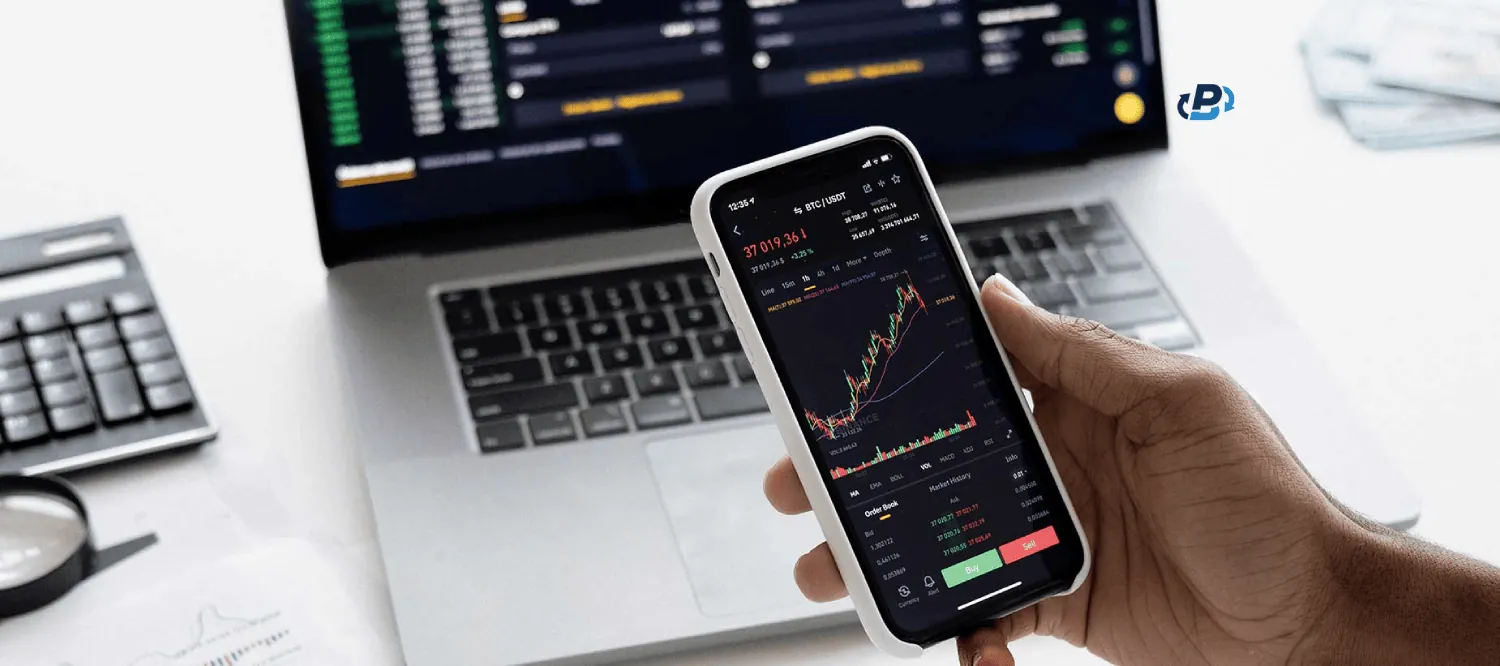
Examples of Crypto Contract Multipliers
Different platforms and exchanges offer various crypto futures contracts with different multipliers. Let's explore some examples to understand how they work. These examples highlight the diversity in contract offerings and how multipliers can vary based on the underlying asset and exchange policies.
Understanding the specific multiplier of a contract is crucial because it dictates the financial commitment required and the potential outcomes. By analyzing different contracts, traders can select those that best match their strategic objectives and financial resources.
MXX Price and BMXX Futures
The MXX token and BMXX futures are examples of crypto assets that involve multipliers. When trading BMXX futures, the multiplier determines how much each contract point is worth in terms of the MXX token. Understanding the multiplier helps traders assess the potential gains or losses from their trades. It also enables them to tailor their trading strategies to capitalize on market movements in MXX.
Moreover, the multiplier in BMXX futures contracts reflects the unique characteristics of the MXX token, including its market liquidity and volatility. Traders must therefore evaluate these factors alongside the multiplier to make strategic decisions that align with market conditions and personal risk tolerance.
MES Futures and Nasdaq Composite Futures
While MES futures and Nasdaq Composite futures are not crypto contracts, they provide a useful comparison for understanding contract multipliers. In these traditional futures contracts, the multiplier determines the overall contract size and the resulting exposure to the index. Similarly, crypto futures contracts use multipliers to define the relationship between contract size and the underlying asset.
By comparing these traditional contracts with crypto futures, traders can gain insights into how multipliers function across different markets. This understanding can be valuable for those transitioning from traditional asset classes to cryptocurrency trading, helping them apply familiar concepts to new and dynamic environments.
Crypto Guides
Does the crypto market close | Best Crypto Hardware Wallet | Is dogen Crypo legit | How to buy RXS Crypto| How to scale Crypto exchange business | What is a ticker in Crypto | How to buy Crypto on malcoin | Is the signature same as a transaction ID in Crypto | What is spot trading in Crypto | Is staking and delegating Crypto the same thing | Can a Bangladeshi National Hold Crypto
Importance of Contract Multipliers in Crypto Trading
Understanding the contract multiplier is vital for any trader involved in crypto futures. Here's why: it serves as a foundation for evaluating risk, determining margin requirements, and assessing leverage. Each of these aspects plays a critical role in shaping trading outcomes and strategies.
The multiplier is not just a technical detail; it is a strategic tool that can influence a trader's approach to the market. By mastering the implications of multipliers, traders can position themselves more effectively to navigate the complexities of the crypto futures market.
Assessing Risk and Reward
The multiplier directly impacts the level of risk and reward in a futures trade. A higher multiplier means that small price movements can result in significant gains or losses, while a lower multiplier offers a more conservative exposure. Traders must carefully evaluate the multiplier to align their risk tolerance and trading strategy. This evaluation includes considering the volatility of the underlying asset and the trader's own financial goals.
Additionally, understanding the risk-reward dynamics associated with different multipliers can help traders optimize their portfolios. By balancing high-risk, high-reward contracts with more stable options, traders can achieve a diversified approach that mitigates potential losses while maximizing opportunities for profit.
Determining Margin Requirements
The multiplier also influences the margin requirements for trading futures contracts. Since the contract size is determined by the multiplier, exchanges use this value to calculate the initial and maintenance margins required to open and sustain a position. Traders need to be aware of these requirements to manage their positions effectively. Failure to meet margin requirements can result in forced liquidation, making it essential to monitor these levels closely.
By understanding how multipliers affect margin requirements, traders can better plan their capital allocation and avoid unexpected calls for additional funds. This proactive approach helps ensure that their trading activities remain sustainable and within their financial means.
Evaluating Leverage
Leverage is a common feature in futures trading, allowing traders to control a larger position with a smaller amount of capital. The multiplier plays a crucial role in calculating the leverage ratio, which is the ratio of the notional value of the contract to the initial margin. Understanding this ratio helps traders make informed decisions about their leverage exposure. It allows them to assess the potential return on investment relative to the risk involved.
By mastering the interplay between multipliers and leverage, traders can strategically employ leverage to enhance their returns without exposing themselves to undue risk. This balance is key to long-term success in the volatile world of crypto futures trading.
How to Use Multipliers in Crypto Trading
To effectively use multipliers in crypto trading, traders should follow these steps: they should integrate a systematic approach that includes thorough research, strategic planning, and vigilant monitoring. This approach ensures that traders are well-prepared to handle the dynamic nature of the crypto markets.
By incorporating these practices into their trading routines, traders can enhance their ability to capitalize on market opportunities while managing risks effectively. This disciplined approach is essential for achieving consistent success in the complex environment of crypto futures trading.
Research and Analyze
Before entering any futures contract, conduct thorough research on the asset, platform, and multiplier. Understand how the multiplier affects the contract's value and the potential impact on your trading strategy. This research involves analyzing historical price data, market trends, and the specific conditions of the trading platform.
In addition to understanding the technical aspects, traders should also consider broader market dynamics, such as regulatory developments and macroeconomic factors, that could influence the performance of the underlying asset. This comprehensive analysis provides a solid foundation for making informed trading decisions.
Calculate Potential Outcomes
Use the multiplier to calculate potential profit and loss scenarios. Consider different price movements and how they would affect your position. This analysis helps you prepare for various market conditions and make informed decisions. By simulating different scenarios, traders can anticipate how their strategies might play out in real-time market environments.
Furthermore, calculating potential outcomes allows traders to establish clear entry and exit points, helping them manage their trades with precision. This proactive planning reduces the likelihood of emotional decision-making, which can negatively impact trading performance.
Monitor and Adjust
Continuously monitor your positions and adjust your strategy as needed. The multiplier can amplify both gains and losses, so it's crucial to stay informed about market trends and adjust your positions accordingly. This ongoing vigilance is necessary to respond to sudden market shifts and capitalize on emerging opportunities.
Traders should also regularly review their overall strategy to ensure it remains aligned with their financial goals and risk tolerance. By being adaptable and responsive to changing market conditions, traders can maintain a competitive edge and optimize their performance in the crypto futures market.
What do the Multipliers in Crypto Contracts Mean - My Final Words
Multipliers in crypto contracts are a fundamental component of futures trading, influencing contract size, risk, margin requirements, and leverage. By understanding what these multipliers mean and how they function, traders can make informed decisions and navigate the complexities of the crypto futures market with confidence.
As the crypto market continues to evolve, staying informed about these multipliers will remain a critical factor for success. Read our Hardware Crypto Wallet Guide for everything you need ot know about cold wallets.
Whether you're trading MXX, BMXX, or other crypto futures, grasping the concept of multipliers is key to optimizing your trading strategy and achieving success in the digital asset space. By integrating a comprehensive understanding of multipliers into their trading practices, traders can enhance their ability to manage risk, capitalize on opportunities, and achieve their financial objectives in the dynamic world of cryptocurrency futures.
Best Products We’ve Tested and Rated

Our testing team has hands-on reviews of air fryers, supermarket chocolate ice cream, air purifiers home air, air purifiers air, and air coolers reviewed. Every option below was compared across price, build quality, and real-world performance, with honest pros and cons. We update these guides regularly as new models arrive, so the recommendations stay current.
Our testing team has hands-on reviews of portable coolers camping travel, pickleball equipment beginners paddles balls, summer essentials walking sandals wine coolers, meat thermometers perfect roasts barbecues, and summer camping gear loved july. Every option below was compared across price, build quality, and real-world performance, with honest pros and cons. We update these guides regularly as new models arrive, so the recommendations stay current.
Browse the Shop
 Acacia frida deluxe solid wood bed frame |
Bedroom bench |
Bed chest drawers |
Lingerie dresser |
Frame base |
Mirror with jewelry storage |
30 Bathroom Vanity |
Memory foam queen mattress |
Mattresses for back pain |
Nightstand set of 2 |
Grand Goldman Shop |
Civil Lawyer
Deutschland Trikot WM 2026
Acacia frida deluxe solid wood bed frame |
Bedroom bench |
Bed chest drawers |
Lingerie dresser |
Frame base |
Mirror with jewelry storage |
30 Bathroom Vanity |
Memory foam queen mattress |
Mattresses for back pain |
Nightstand set of 2 |
Grand Goldman Shop |
Civil Lawyer
Deutschland Trikot WM 2026










