

If you’ve ever scrolled through a crypto exchange or checked a price chart, you’ve likely seen a string of letters like BTC, ETH, or SOL—these are known as tickers. In the world of cryptocurrency, a ticker is a short, unique code that serves as an identifier for each digital asset, making it easy to track, trade, and distinguish between thousands of tokens on various trading platforms.
As someone who’s spent years analyzing crypto markets and educating newcomers, I can’t stress enough how vital these ticker symbols are for both beginners and seasoned investors.
Find Original, High-end Home Decor that spark conversation at Grand Goldman Shop.
A ticker isn’t just a random abbreviation; it’s a carefully chosen shorthand that represents a coin’s identity across the global financial ecosystem. For example, BTC stands for Bitcoin, while ETH represents Ethereum—these codes are universally recognized and prevent confusion, especially since many cryptocurrencies have similar-sounding names. This clarity is crucial in a fast-moving environment where a single letter can mean the difference between investing in Bitcoin or Bitcoin Cash (BCH).
Beyond identification, tickers are central to real-time price tracking, market analysis, and fraud prevention. On every major exchange and portfolio tracker, tickers help you instantly locate your target asset, monitor its trading volume, and avoid costly mistakes. Understanding what a ticker is—and how to use it—empowers you to navigate the crypto landscape with confidence and precision.
Discover the Best Hardware Crypto Wallet

1. What Does Ticker Mean in Crypto?
In the world of cryptocurrency, a ticker is more than just a simple code. It serves as a fast reference to identify a digital currency on exchanges. These codes consist of three or four letters, like BTC for Bitcoin, streamlining the process for traders and investors.
Unlike full names, tickers allow for quick communication and reduce the chance of errors. They're essential in trading platforms where speed and accuracy are crucial. When you see tickers, they instantly bring to mind their associated cryptocurrencies.
A crypto ticker makes market analysis accessible by offering essential data at a glance. Investors can quickly scan through a list of tickers to gauge market trends. This feature is essential for effective decision-making in volatile markets.
Tickers also simplify following news and updates in the crypto space. They appear in headlines, articles, and social media discussions. Understanding them is vital for comprehending the broader cryptocurrency landscape.
Key benefits of crypto tickers include:
- Quick identification of cryptocurrencies
- Efficient market analysis
- Reduced error in communication
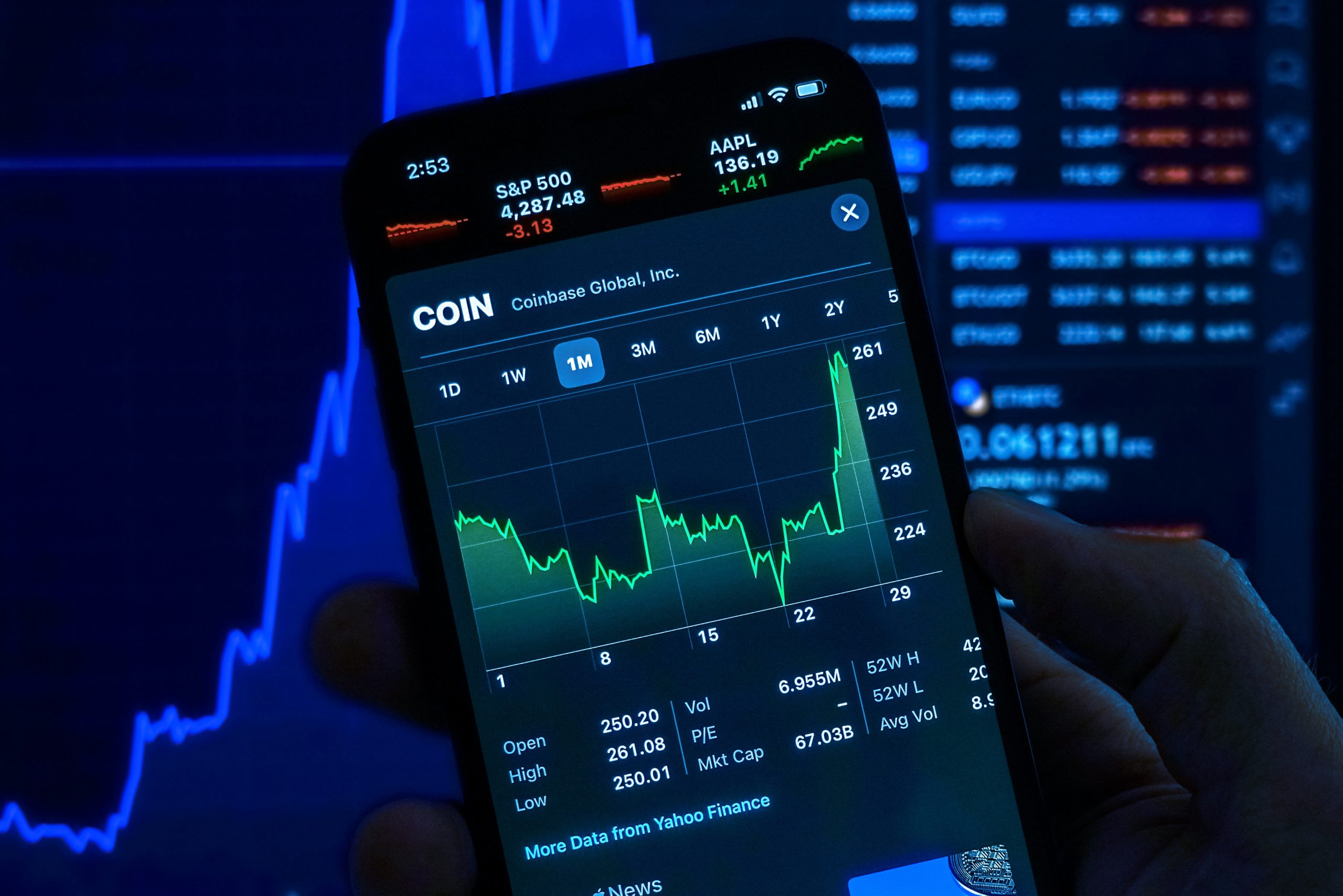
2. How Crypto Tickers Work
Crypto tickers serve as quick identifiers in the dynamic world of cryptocurrencies. Each ticker is a succinct code that represents a specific digital asset on exchanges.
These tickers are used on trading platforms to simplify transactions. For instance, traders can quickly search for ETH if they are interested in Ethereum, expediting their trading activities.
Cryptocurrency tickers also aid in price tracking, providing real-time updates. They ensure you receive the latest data, helping you make timely investment decisions.
Integrating tickers with additional market indicators offers a more comprehensive analysis. This allows traders to align their strategies with market conditions. Crypto tickers facilitate effective portfolio management and responsive trading actions.
Key functions of crypto tickers include:
- Instant digital asset identification
- Simplified trading searches
- Real-time price updates
- Enhanced analysis with market indicators
INTELLECTIA AI - Get Free Market Intelligence for Crypto, Stocks, & ETFs

3. Why Are Crypto Tickers Important?
Crypto tickers play a crucial role in the cryptocurrency ecosystem. They help investors and traders quickly identify specific coins among thousands of digital assets. This rapid identification is essential for executing timely transactions.
Moreover, tickers are vital for maintaining an organized trading environment. They allow users to efficiently navigate crypto exchanges and access market data. With a straightforward format, tickers reduce the complexity of managing diverse portfolios.
Beyond identification, tickers provide real-time insights into market conditions. Investors rely on them to receive updates on crypto prices and volatility. This information is pivotal when making investment decisions in a fast-paced market.
Key reasons why crypto tickers matter include:
- Efficient coin identification
- Simplified market navigation
- Real-time market condition insights

4. Where to Find Crypto Tickers: Platforms and Tools
Crypto tickers are available on various platforms. These platforms provide comprehensive market data, making them essential for any investor. Knowing where to look can greatly benefit those involved in crypto trading.
Popular platforms include cryptocurrency exchanges, financial apps, and dedicated crypto tracking websites. Each platform offers a unique set of tools and features for monitoring market conditions. These platforms cater to both novice and experienced traders.
Some of the top places to find crypto tickers are:
- Crypto exchanges (e.g., Binance, Coinbase)
- Coin market data websites (e.g., CoinMarketCap)
- Financial apps (e.g., Robinhood)
- Crypto news portals
- Cryptocurrency tracker tools
Utilizing these platforms ensures access to up-to-date crypto market updates. This access is critical for effectively tracking investments and staying informed.
Crypto Guides
Does the crypto market close | Best Crypto Hardware Wallet | Is dogen Crypo legit | How to buy RXS Crypto| How to scale Crypto exchange business | How to buy Crypto on malcoin | Is the signature same as a transaction ID in Crypto | What do the multipliers in Crypto contracts mean | What is spot trading in Crypto | Is staking and delegating Crypto the same thing | Can a Bangladeshi National Hold Crypto
5. Crypto Tickers vs. Stock Tickers
Crypto tickers and stock tickers serve similar purposes. Both provide a shorthand reference for specific assets in their respective markets. However, there are key differences between them.
Stock tickers typically consist of three to five letters. They represent companies listed on stock exchanges. Crypto tickers, on the other hand, are often two to five letters long. They identify specific cryptocurrencies on various trading platforms.
Key differences between crypto and stock tickers include:
- Crypto tickers exist in a decentralized market; stock tickers are in regulated exchanges.
- Crypto tickers represent digital currencies; stock tickers represent corporate stocks.
- Crypto tickers are often updated in real-time globally.
Understanding these differences is vital for investors interacting in both markets. Recognizing the context each ticker operates within can enhance trading strategies.
6. Common Crypto Ticker Examples
Crypto tickers are a fundamental aspect of the cryptocurrency world. They allow easy identification of various digital currencies. Understanding a few common examples helps in navigating the market efficiently.
Here are some widely recognized crypto tickers:
- BTC: Bitcoin
- ETH: Ethereum
- LTC: Litecoin
- XRP: Ripple
- BCH: Bitcoin Cash
These examples demonstrate how tickers reflect the cryptocurrency name, often derived from its full title. Familiarity with these tickers aids in recognizing trends and making informed trading decisions. Whether you're a novice or seasoned trader, knowing these tickers is crucial in the fast-paced crypto market.
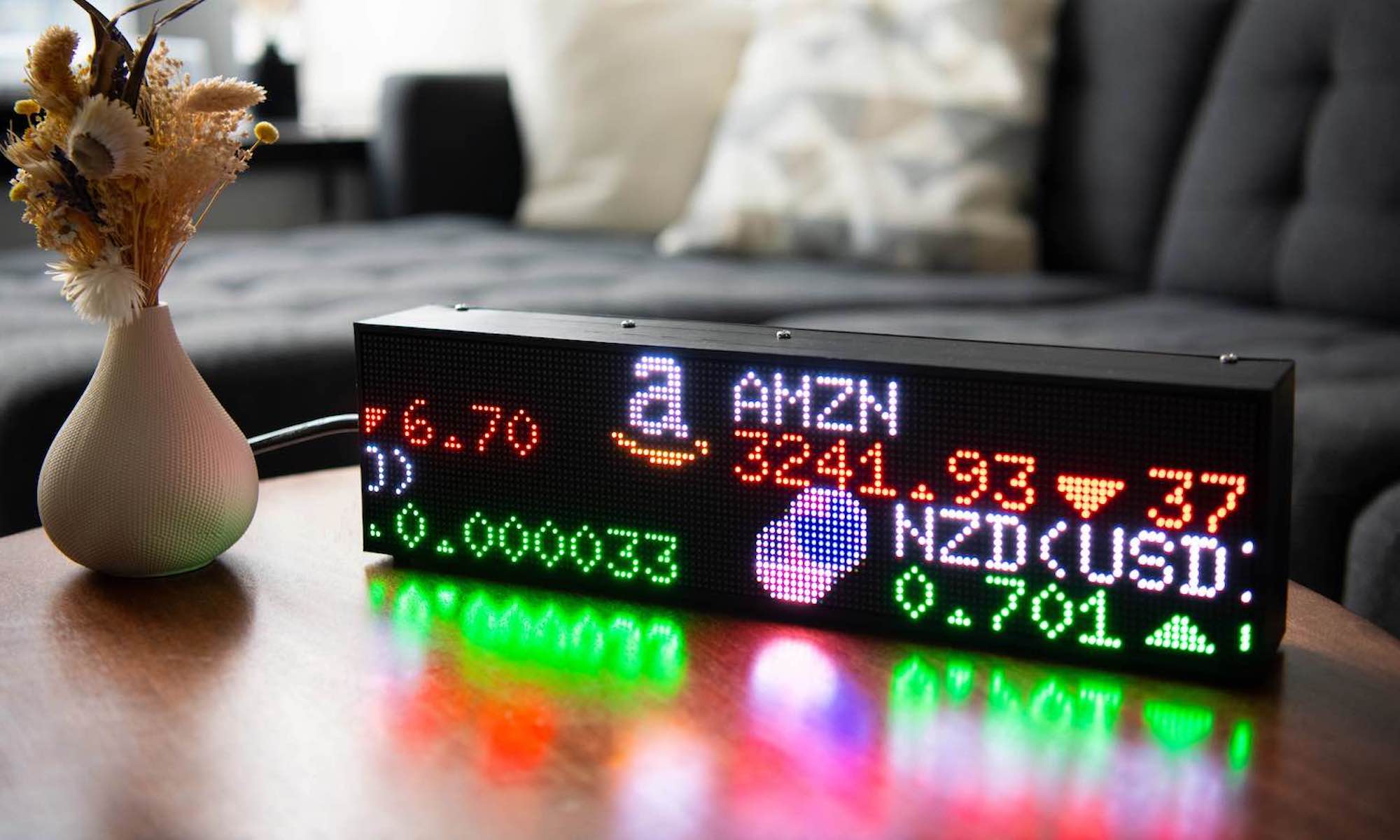
Real Time Desktop LED Ticker - CHECK PRICE
7. Using Tickers for Live Crypto Quotes and Market Updates
Crypto tickers play a vital role in accessing live crypto quotes and market updates. They serve as a shorthand method to quickly track market changes. Using tickers allows traders to stay informed about the fluctuating prices of various cryptocurrencies.
When setting up for market monitoring, platforms typically display tickers alongside essential data. This includes:
- Current price
- Market cap
- Trading volume
- 24-hour price change
- Historical price charts
These elements provide a comprehensive view of market dynamics at a glance. Tickers simplify the complex landscape of crypto trading, enabling investors to make timely decisions based on real-time data and market insights.
8. Tips for Tracking Crypto Prices and Setting Alerts
Effective tracking of crypto prices demands the use of reliable tools. You can customize these tools to fit your trading needs. By setting alerts, you never miss critical price movements.
Consider the following strategies for optimal tracking:
- Use a reputable cryptocurrency tracker app.
- Set specific price alerts for key cryptocurrencies.
- Monitor market updates on trusted financial news platforms.
These tips will help you stay informed and act promptly when market conditions shift.
Conclusion: Mastering Ticker Crypto Meaning
Understanding crypto tickers is essential for navigating the market. They simplify the tracking of cryptocurrencies and their prices. As the backbone of crypto trading, tickers provide quick and efficient insights. Mastering their meaning will enhance your investment strategies and market analysis. Stay informed and make data-driven decisions in the crypto world.
Best Products We’ve Tested and Rated

Our testing team has hands-on reviews of air fryers, supermarket chocolate ice cream, air purifiers home air, air purifiers air, and air coolers reviewed. Every option below was compared across price, build quality, and real-world performance, with honest pros and cons. We update these guides regularly as new models arrive, so the recommendations stay current.
Our testing team has hands-on reviews of portable coolers camping travel, pickleball equipment beginners paddles balls, summer essentials walking sandals wine coolers, meat thermometers perfect roasts barbecues, and summer camping gear loved july. Every option below was compared across price, build quality, and real-world performance, with honest pros and cons. We update these guides regularly as new models arrive, so the recommendations stay current.
Browse the Shop
 Acacia frida deluxe solid wood bed frame |
Bedroom bench |
Bed chest drawers |
Lingerie dresser |
Frame base |
Mirror with jewelry storage |
30 Bathroom Vanity |
Memory foam queen mattress |
Mattresses for back pain |
Nightstand set of 2 |
Grand Goldman Shop |
Civil Lawyer
Deutschland Trikot WM 2026
Acacia frida deluxe solid wood bed frame |
Bedroom bench |
Bed chest drawers |
Lingerie dresser |
Frame base |
Mirror with jewelry storage |
30 Bathroom Vanity |
Memory foam queen mattress |
Mattresses for back pain |
Nightstand set of 2 |
Grand Goldman Shop |
Civil Lawyer
Deutschland Trikot WM 2026










