

When Brazil flooded the Amazon to create the Balbina Dam reservoir, the result was not just a power plant but an immense tree graveyard. The project, which began in 1981 and inaugurated in 1989, promised development but delivered an environmental disaster that still resonates today.
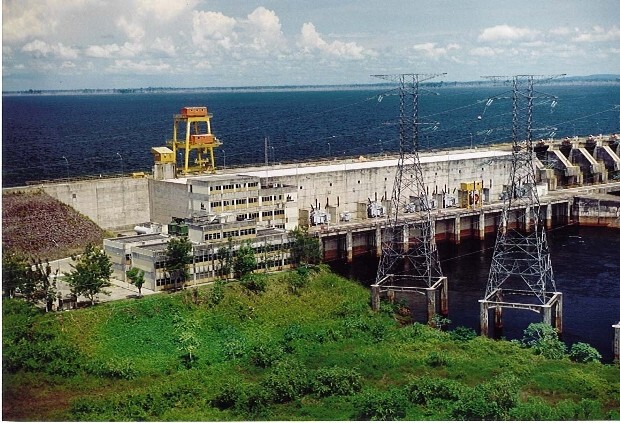
The Balbina hydroelectric plant, located on the Uatumã River north of Manaus, was part of Brazil's push for large-scale infrastructure in the Amazon. With an installed capacity of 250 MW, it required a reservoir of approximately 2,360 km²—larger than the island of Tenerife. But the geography was unforgiving: a relatively small river flowing through extremely flat terrain meant that achieving the necessary water height for power generation required flooding vast areas of forest.
Find Original Home Decor sparking conversation at Grand Goldman Shop.

The Scale of the Balbina Dam Disaster
A 2018 comparative study highlighted the inefficiency: Balbina sacrificed 35 times more forest per MW of installed capacity than the Tucuruí Dam, another Amazonian project. This staggering figure underscores the poor planning and environmental cost of the venture.
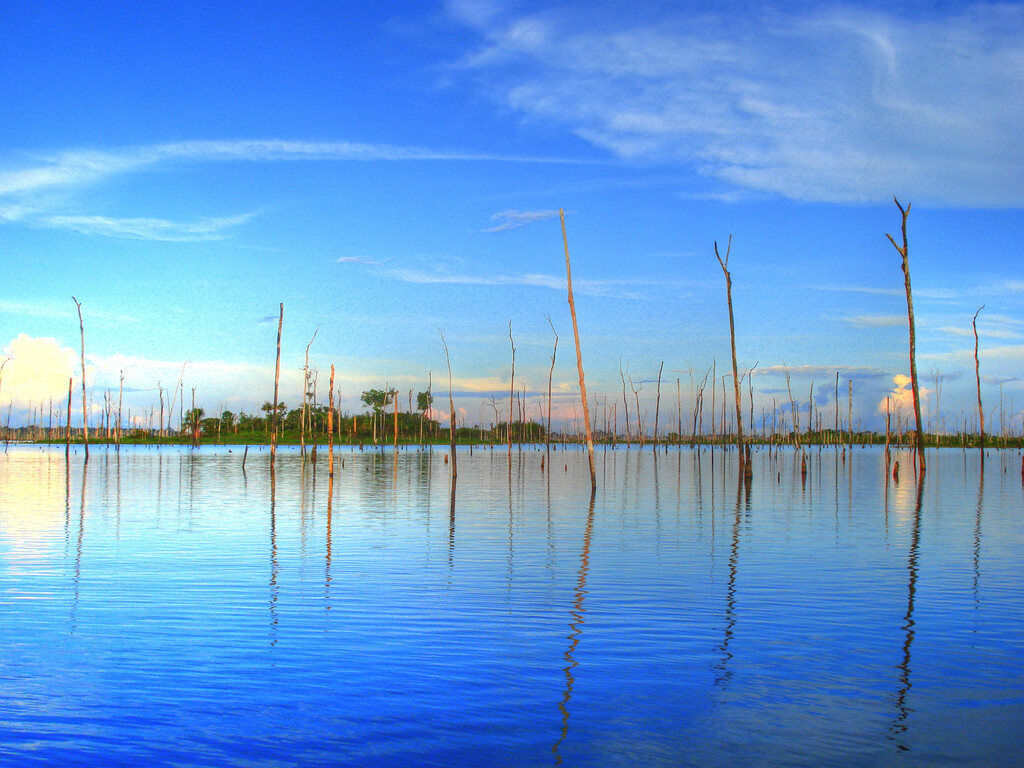
When the Uatumã was dammed, water spread laterally through the jungle, submerging millions of trees—estimates suggest over 160 million. The former high ground became thousands of islands; one study counted 3,546. Initially, some saw this fragmentation as a potential environmental advantage, with forest patches surviving surrounded by the reservoir. But the opposite occurred.
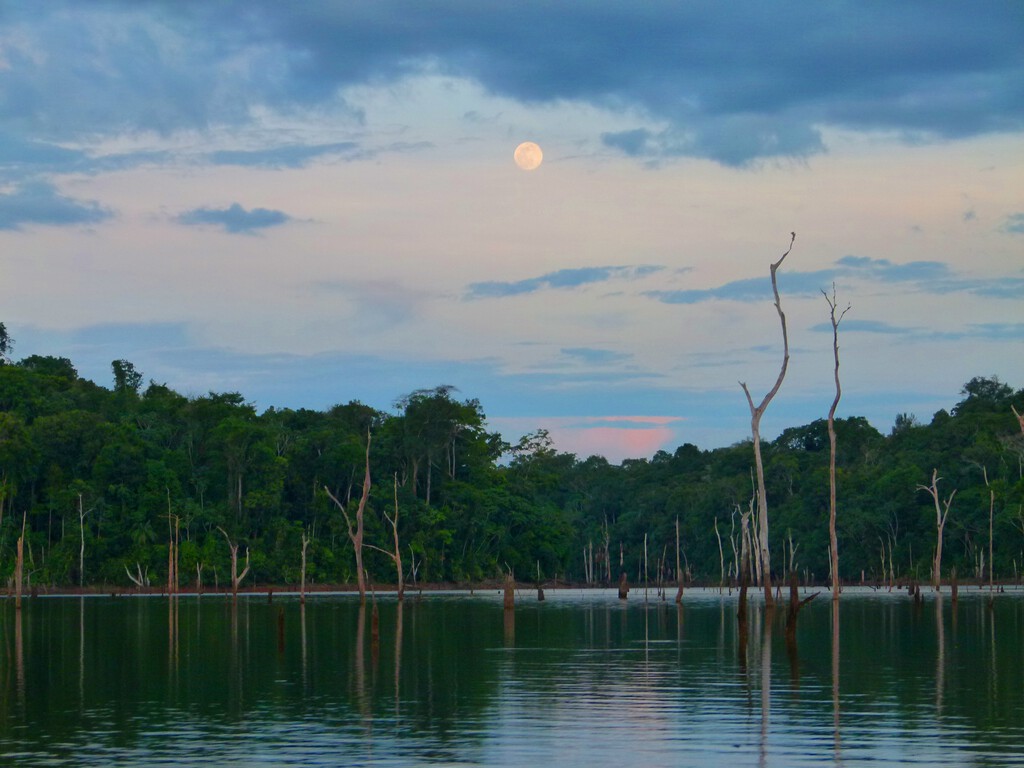
- Massive deforestation: Over 160 million trees were submerged, creating a vast underwater graveyard.
- Inefficient power generation: The dam produces relatively little energy for its enormous footprint.
- Loss of biodiversity: The flooding destroyed habitats and fragmented the ecosystem.
- Greenhouse gas emissions: Decomposing vegetation releases methane, a potent greenhouse gas.
- Social impacts: Local communities were displaced, and traditional livelihoods disrupted.
Why Balbina Became a Cautionary Tale
The Balbina Dam is often cited as a symbol of misguided development. The decision to proceed despite warnings about the flat terrain and potential environmental damage reflects a prioritization of short-term economic goals over sustainability.
Moreover, the reservoir's shallow waters and decaying organic matter created conditions for methane emissions, contributing to climate change. Studies have shown that tropical reservoirs can be significant sources of greenhouse gases, challenging the perception of hydropower as clean energy.
Environmental and Social Consequences
The flooding of the Amazon rainforest had profound ecological effects. The loss of millions of trees reduced carbon sequestration and disrupted local climate patterns. Aquatic life suffered as oxygen levels dropped due to decomposing vegetation, leading to fish kills.
Indigenous and ribeirinho communities lost land and resources, forcing many to relocate. The promised benefits of electricity and economic growth did not fully materialize for them, adding a layer of social injustice to the environmental toll. The background to this story is set out in Nepal Floods Trap 900 in Hydropower Tunnels: Rescue Race. A related thread runs through Brazilian Amazon Deforestation Hits Record Low as Crucial Vote Nears. Earlier coverage in Nepal Hydropower Rescue: Triumph for Humanity shows how the argument developed.
Lessons for Future Hydropower Projects
Balbina serves as a stark reminder of the need for comprehensive environmental impact assessments and consideration of alternatives. The case has influenced debates on other Amazonian dams, such as Belo Monte, where similar concerns have been raised. A closer look at the same subject appears in Nepal Hydropower Tunnel Rescue: 639 Workers Still Missing. Anyone following the wider picture can start with Nepal Hydropower Tunnel Rescue: Two Workers Survive Nine Days. The same theme surfaces in Nepal Flood Rescue: Two Survivors Found Alive in Hydropower Tunnels, which takes a different angle.
As the world seeks renewable energy, it is crucial to avoid repeating such mistakes. Proper planning, including site selection and mitigation measures, can reduce harm. However, some locations are simply unsuitable for large dams. Context on how this played out before sits in Energy Utilities: latest articles. A companion piece, China's Solar Boom Has an Unexpected Victim: Bird Diversity, approaches the same subject from another angle.
| Aspect | Balbina Dam | Tucuruí Dam |
|---|---|---|
| Installed Capacity (MW) | 250 | 8,370 |
| Reservoir Area (km²) | 2,360 | 2,850 |
| Forest Flooded per MW (relative) | 35 times more than Tucuruí | Baseline |
| Year Inaugurated | 1989 | 1984 |
FAQ
What was the main environmental impact of the Balbina Dam?
The main impact was the flooding of approximately 2,360 km² of Amazon rainforest, submerging over 160 million trees and destroying habitats. This led to biodiversity loss, methane emissions from decomposing vegetation, and fragmentation of the ecosystem into thousands of islands.
Why is the Balbina Dam considered inefficient?
The dam is inefficient because the flat terrain required a massive reservoir to generate a relatively small amount of power (250 MW). A 2018 study found it flooded 35 times more forest per MW than the Tucuruí Dam, highlighting the poor return on environmental cost.
Did the Balbina Dam have any social consequences?
Yes, local indigenous and ribeirinho communities were displaced and lost access to traditional lands and resources. The promised economic benefits largely failed to materialize for them, exacerbating social inequalities.
What lessons can be learned from the Balbina Dam?
The Balbina case underscores the importance of thorough environmental impact assessments and the need to consider alternatives to large dams in sensitive ecosystems. It highlights the risks of prioritizing short-term energy goals over long-term sustainability and social justice.
Browse the Shop
 Acacia frida deluxe solid wood bed frame |
Bedroom bench |
Bed chest drawers |
Lingerie dresser |
Frame base |
Mirror with jewelry storage |
30 Bathroom Vanity |
Memory foam queen mattress |
Mattresses for back pain |
Nightstand set of 2 |
Grand Goldman Shop |
Civil Lawyer
Deutschland Trikot WM 2026







