

In 2004, American conservationists Doug and Kristine Tompkins purchased Estancia Valle Chacabuco, a sprawling sheep ranch in Chilean Patagonia, and set about dismantling it. Their goal was not to improve the ranch but to erase it, allowing the land to return to its wild state. Today, that former ranch is a cornerstone of a vast nature sanctuary.
The Ranch That Became a Sanctuary
Estancia Valle Chacabuco covered about 222,000 acres (roughly 90,000 hectares) and was one of Chile's largest sheep farms. For decades, intensive grazing had degraded the grasslands and pushed native species like guanacos, huemules, pumas, and condors to the brink. The Tompkinses saw an opportunity to reverse that damage.
Find Original, High-end Home Decor that spark conversation at Grand Goldman Shop.
Their project, Conservación Patagónica, aimed to remove the infrastructure of livestock farming and let nature reclaim the land. It was a bold experiment: buying a productive ranch only to shut it down.
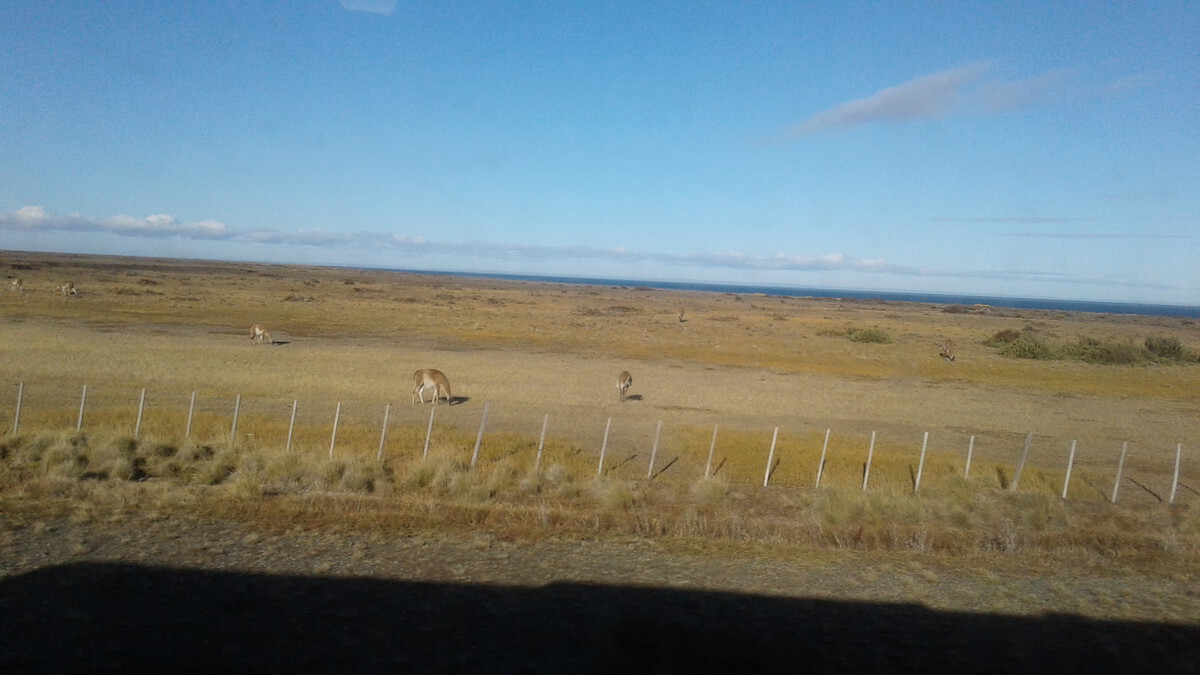
Removing 25,000 Sheep and 386 Kilometers of Fence
The transformation began with the most obvious symbols of the ranch's purpose. Some 25,000 sheep were sold off, and approximately 386 kilometers of fencing were removed. These fences had fragmented the landscape, blocking wildlife movement and disrupting ecological processes.
Former ranch workers were retrained for conservation tasks, from monitoring wildlife to maintaining trails and infrastructure for future visitors. The shift wasn't just ecological but also social, turning a livestock operation into a hub for restoration.
Why It Matters: Rewilding Patagonia
Decades of grazing had taken a toll on the ecosystem. By eliminating sheep and fences, the project aimed to give native plants and animals room to recover. Guanacos, wild relatives of llamas, could roam freely again. Pumas, the region's top predator, would find more prey. And the endangered huemul, Chile's national deer, might stand a better chance of survival.
The ranch's location was strategic: it sits between two existing protected areas, creating a continuous corridor for wildlife. This connectivity is crucial for long-term resilience, especially as climate change alters habitats. The background to this story is set out in Energy Utilities: latest articles.
Key Takeaways from the Valle Chacabuco Project
- Land purchase for conservation: Buying a ranch to retire it from production is a powerful way to protect large landscapes.
- Fence removal: Taking down 386 km of fences restored connectivity for wildlife.
- Species recovery: Native animals like guanacos, huemules, and pumas benefit from reduced grazing pressure.
- Community transition: Former ranch workers found new roles in conservation and tourism.
- Corridor creation: The former ranch now links protected areas, enhancing ecological resilience.
What the Future Holds
The Valle Chacabuco project is part of a larger effort by Tompkins Conservation to create a network of national parks in Chile. In 2018, the Chilean government designated vast new national parks, including the addition of land from Tompkins Conservation, ensuring long-term protection. A related thread runs through Gears of War E-Day: The Coalition on Bringing Back the Fear.
Today, the former ranch is known as Patagonia National Park, a symbol of rewilding and a draw for eco-tourists. Its story shows how private philanthropy and public policy can combine to restore ecosystems at scale. Earlier coverage in DeepSeek and Huawei Reveal CUDA Alternative for AI Chips shows how the argument developed. A closer look at the same subject appears in How a Chilean Ranch Became a 90,000-Hectare Nature Sanctuary.
Comparison: Before and After the Ranch
| Aspect | Before (Ranch) | After (Sanctuary) |
|---|---|---|
| Primary land use | Sheep grazing | Wildlife conservation and tourism |
| Fencing | 386 km of fences | Fences removed |
| Sheep population | ~25,000 | None |
| Native species | Declining due to grazing | Recovering populations |
| Local employment | Ranching jobs | Conservation and tourism jobs |
FAQ
What happened to the sheep on the ranch?
Around 25,000 sheep were sold when the Tompkinses bought the property. The goal was to remove grazing pressure and allow native vegetation to recover.
Why did they remove the fences?
The fences fragmented the landscape and hindered wildlife movement. Removing 386 km of fencing restored connectivity for species like guanacos and pumas.
What is the ranch called now?
The former Estancia Valle Chacabuco is now part of Patagonia National Park, a protected area that welcomes visitors and supports conservation.
How did the local community react?
Former ranch workers were retrained for conservation roles, and the project has created jobs in tourism and park management, though the transition required adjustment.
Browse the Shop
 Acacia frida deluxe solid wood bed frame |
Bedroom bench |
Bed chest drawers |
Lingerie dresser |
Frame base |
Mirror with jewelry storage |
30 Bathroom Vanity |
Memory foam queen mattress |
Mattresses for back pain |
Nightstand set of 2 |
Grand Goldman Shop |
Civil Lawyer
Deutschland Trikot WM 2026










