

In 2011, conservationists launched one of the most ambitious invasive species removal projects ever attempted: dropping over 300 tons of poison bait from helicopters across South Georgia, a remote British island near Antarctica, to eradicate invasive rats. The result was a stunning ecological miracle that has become a landmark in conservation history.
The Accidental Invaders That Devastated South Georgia
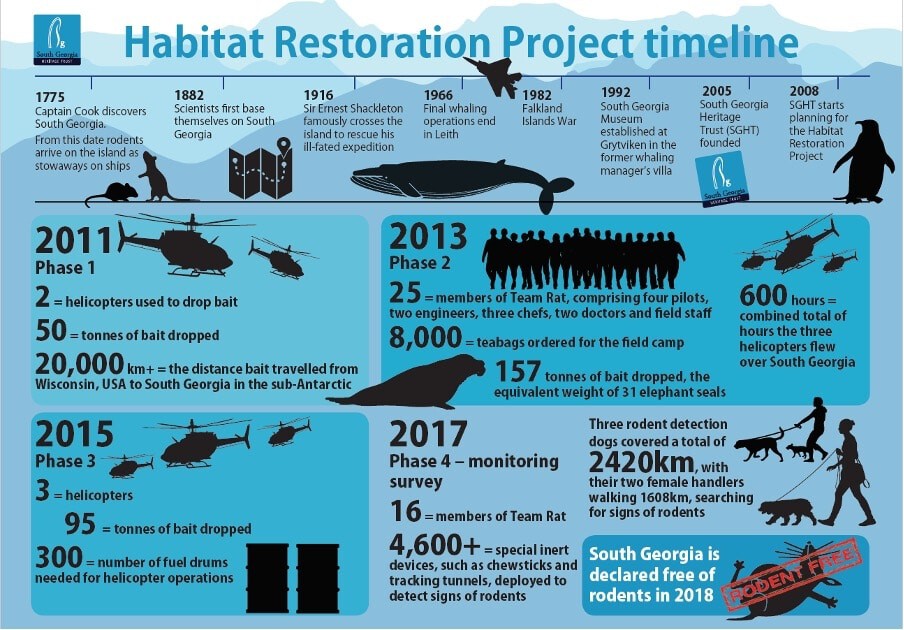
In the late 18th century, sealers and whalers brought unintended passengers to South Georgia: rats and mice. These rodents adapted to the harsh climate and eventually infested nearly two-thirds of the island's coastline. For 250 years, they feasted on the eggs and chicks of seabirds that had never evolved defenses against land predators.
Find Original Home Decor sparking conversation at Grand Goldman Shop.

South Georgia covers about 350,000 hectares and hosts roughly 30 million birds. With no trees or shrubs, many species nest directly on the ground or in burrows, making them easy prey. Among the hardest hit were the South Georgia pipit and the South Georgia pintail, both found nowhere else on Earth.
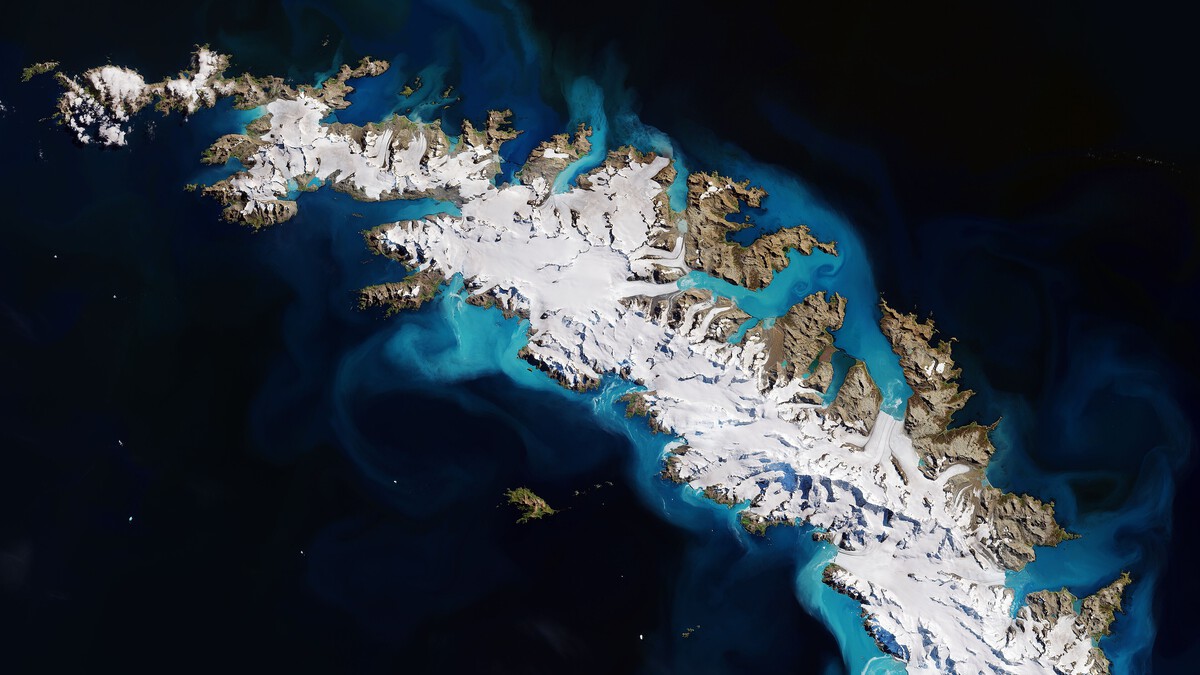
The Radical Plan: Helicopters and Poison
By the early 2000s, scientists realized that without intervention, several bird species faced extinction. The solution was drastic: eradicate the rats by air-dropping rodenticide pellets across the entire island. The operation, led by the South Georgia Heritage Trust, took years of planning and faced logistical nightmares, including unpredictable weather and rugged terrain.
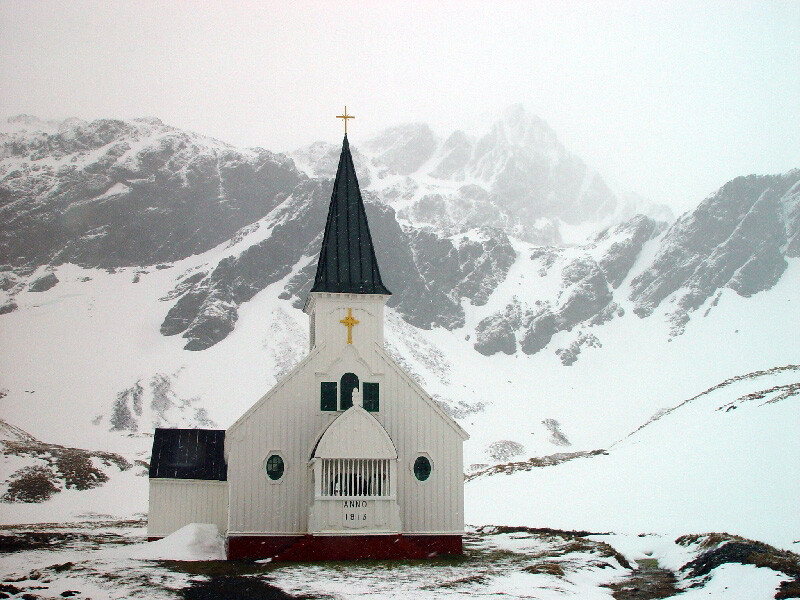
Between 2011 and 2015, three phases of baiting were carried out. Helicopters spread toxic pellets over rat-infested areas, carefully timed to avoid harming non-target species. Critics worried about collateral damage, but extensive research showed that the benefits outweighed the risks.
What Happened After the Poisoning: A Ecological Miracle
By 2018, surveys confirmed that rats had been eradicated from South Georgia. The response from wildlife was swift and spectacular. Bird populations began to rebound almost immediately. The South Georgia pipit, once confined to a few rat-free islets, was spotted on the main island for the first time in decades. Pintails and other ground-nesting birds also showed signs of recovery.
Scientists had predicted a slow recovery, but the speed of the comeback surprised everyone. Within a few years, vegetation also began to recover as bird droppings enriched the soil, creating a cascade of ecological benefits. The longer history behind the story is traced in UK Helicopter Poisoning Eradicates Rats on South Georgia Island.
Key Takeaways from the South Georgia Success
- Invasive species are a leading threat to island biodiversity, often driving endemic species to the brink of extinction.
- Large-scale eradication is possible with careful planning, technology, and international collaboration.
- Ecosystems can recover rapidly once the pressure from invasive predators is removed.
- Public perception matters: the use of poison raised concerns, but transparency and scientific evidence helped build support.
- Long-term monitoring is essential to ensure that eradications remain successful and to measure ecological outcomes.
Comparing the South Georgia Eradication to Other Island Projects
South Georgia's rat eradication is among the largest ever attempted, but it's not the only one. Here's how it stacks up against other notable island pest removal efforts. The background to this story is set out in Galápagos Invasive Goats: How 700 'Judas Goats' Helped Eradicate 140,000. A related thread runs through US Dropped 2,000 Poison Mice on Guam to Stop Brown Tree Snakes. Earlier coverage in Invasivorism: When Invasive Species Become a Culinary Treasure shows how the argument developed.
| Island | Invasive Species | Area Treated (ha) | Year Completed | Outcome |
|---|---|---|---|---|
| South Georgia | Rats | ~350,000 | 2018 | Successful; bird populations rebounding |
| Campbell Island | Rats | 11,300 | 2001 | Successful; ecosystem recovery |
| Macquarie Island | Rabbits, rats, mice | 12,800 | 2014 | Successful; vegetation and bird recovery |
| Aleutian Islands (various) | Arctic foxes | Varies | Ongoing | Mixed; some islands restored |
Why This Matters for Global Conservation
The South Georgia project proves that even seemingly impossible conservation challenges can be overcome with determination and science. It also highlights the importance of removing invasive species to protect biodiversity, especially on islands where endemic species are most vulnerable. A closer look at the same subject appears in FGM End Fund: $15.5m Launched for Global Eradication. Anyone following the wider picture can start with Invasive Turtles in Spain: Why They Threaten Native Species. The same theme surfaces in Big-Money Donations Poison British Politics: How to Stop the Mega-Rich, which takes a different angle.
As climate change and human activity continue to threaten ecosystems, such success stories offer hope and a blueprint for action. They show that with sufficient resources and political will, we can reverse some of the damage we've caused. Context on how this played out before sits in Invasive Species in Spain: How Three Species Help Each Other Thrive. A companion piece, Japan's Stray Cat Invasive Species Plan Sparks Backlash, approaches the same subject from another angle.
FAQ
How did rats get to South Georgia?
Rats and mice arrived as stowaways on sealing and whaling ships in the late 18th century. They quickly spread along the coastline, exploiting the abundant bird life for food.
Was the poison dangerous to other wildlife?
The rodenticide used was designed to be less attractive to birds, and the baiting was timed to minimize risks. Extensive monitoring showed no significant impact on non-target species, and the benefits to native birds were substantial.
How long did the eradication take?
The baiting operations took place from 2011 to 2015, and by 2018, monitoring confirmed that rats had been eradicated from the entire island.
What were the main ecological results?
Native bird populations, including the South Georgia pipit and pintail, began to recover rapidly. Vegetation also improved, and the island's ecosystem is now on a path to recovery.
Browse the Shop
 Acacia frida deluxe solid wood bed frame |
Bedroom bench |
Bed chest drawers |
Lingerie dresser |
Frame base |
Mirror with jewelry storage |
30 Bathroom Vanity |
Memory foam queen mattress |
Mattresses for back pain |
Nightstand set of 2 |
Grand Goldman Shop |
Civil Lawyer
Deutschland Trikot WM 2026







