

Bending wood rods is a classic woodworking challenge that has stumped craftsmen for centuries. But around 1850, the brilliant Austrian cabinetmaker Michael Thonet cracked the code—and his method is still used today to create iconic furniture. In this guide, we’ll show you how to curve wood rods safely and effectively, with tips to upgrade your home improvement projects.
Why Bend Wood Rods?
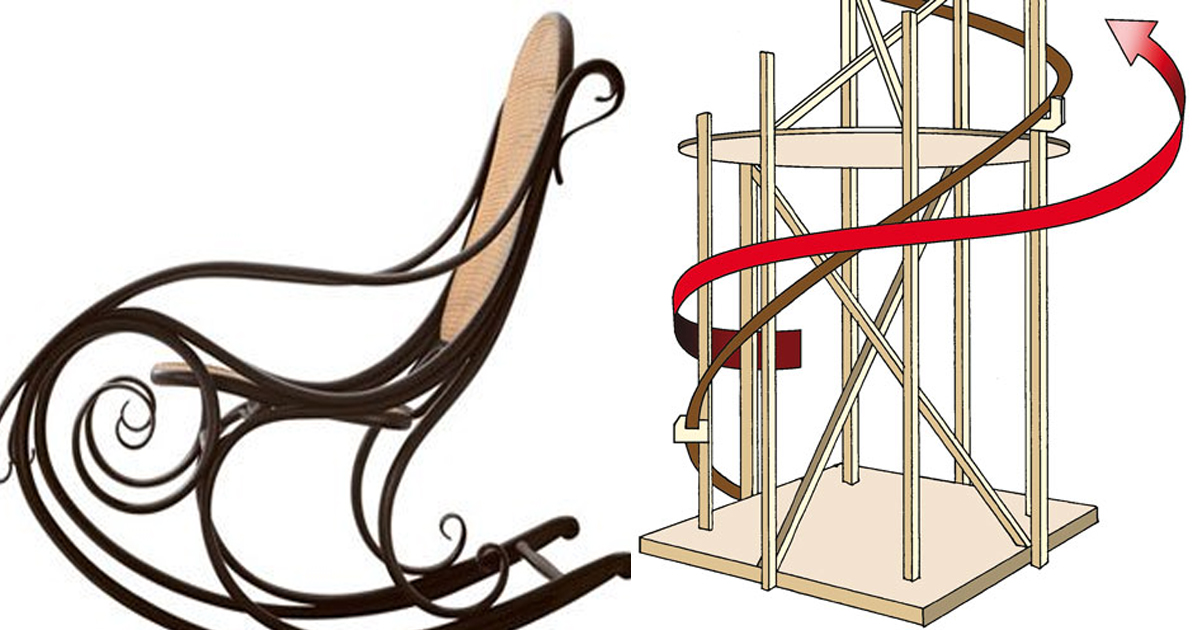
Curved wood adds elegance and strength to furniture, from chair backs to decorative arches. Whether you’re restoring a vintage piece or building something new, mastering this technique opens up endless design possibilities. Pair your bent wood creations with dining tables or sofas for a cohesive, handcrafted look.
Get Lifetime Access to Top AI Tools
Find Bleeding Edge Business Software at Scandalous Prices on Appsumo.

The Thonet Method: A Breakthrough in Wood Bending
Michael Thonet’s genius was simple: heat a beech wood rod, place it in a metal form with stops at both ends, then bend the form. The rod’s ends press against the stops, so the wood is only compressed—never stretched. This prevents cracking. After cooling, the wood holds its new shape permanently.
Key Steps to Curve Wood Rods
- Prepare the wood: Use beech or other hardwood. Compress it by about 20% of its length through heating and pressing—this makes it pliable.
- Heat the rod: Steam or hot water works best. The wood must be thoroughly heated to the core.
- Use a bending form: A simple metal jig with end stops, or even a pipe bender from the hardware store, can do the job.
- Clamp and cool: Hold the rod in the curved shape until it cools completely. The wood will retain the curve.
Tools and Materials You’ll Need
You don’t need a workshop full of expensive gear. Here’s what to gather:
- Beech wood rods (available at lumber yards)
- A heat source (steam box or boiling water)
- A bending jig or pipe bender
- Clamps and safety gloves
For larger projects, consider adding outdoor patio furniture or garden supplies to your workspace for a complete DIY setup.
Frequently Asked Questions
Can I bend any type of wood?
Hardwoods like beech, oak, and ash work best. Softwoods tend to crack. Always test a scrap piece first.
Do I need special equipment?
Not necessarily. A simple pipe bender or a homemade jig with pegs works fine for most curves.
How do I prevent the wood from breaking?
Heat the wood thoroughly and use a form that compresses the inner curve. Never pull or stretch the outer edge.
What can I make with bent wood rods?
Chair backs, lamp stands, decorative arches, and even lighting fixtures. Combine with wall decor for a stunning interior.

Is this method safe for beginners?
Yes, with proper precautions. Wear gloves, work in a ventilated area, and start with small, simple curves.
Project Ideas Using Bent Wood
Once you’ve mastered the technique, try these projects:
- Curved chair backs for office chairs
- Elegant mirror frames
- Arched bookcases or display shelving
- Decorative outdoor decor for your garden
Bent wood also pairs beautifully with rugs and curtains to create a warm, organic feel in any room.
Final Tips for Success
- Always over-bend slightly—wood springs back a little after cooling.
- Use a digital thermometer to monitor heat if steaming.
- Practice on scrap wood before attempting a final piece.
- Store bent wood in a dry, stable environment to prevent warping.
With patience and practice, you’ll be bending wood like Thonet himself. And when you’re ready to furnish your space, explore beds, bathroom vanities, and kitchen islands at GrandGoldman.com to complete your home.
Browse Grand Goldman Home Decor
Discover unique craftsmanship home decor and furniture at the Grand Goldman Shop.
Home Decor Shop
 Acacia frida deluxe solid wood bed frame |
Bedroom bench |
Bed chest drawers |
Lingerie dresser |
Frame base |
Mirror with jewelry storage |
30 Bathroom Vanity |
Memory foam queen mattress |
Mattresses for back pain |
Nightstand set of 2 |
Grand Goldman Shop |
Civil Lawyer
Deutschland Trikot WM 2026
Acacia frida deluxe solid wood bed frame |
Bedroom bench |
Bed chest drawers |
Lingerie dresser |
Frame base |
Mirror with jewelry storage |
30 Bathroom Vanity |
Memory foam queen mattress |
Mattresses for back pain |
Nightstand set of 2 |
Grand Goldman Shop |
Civil Lawyer
Deutschland Trikot WM 2026










